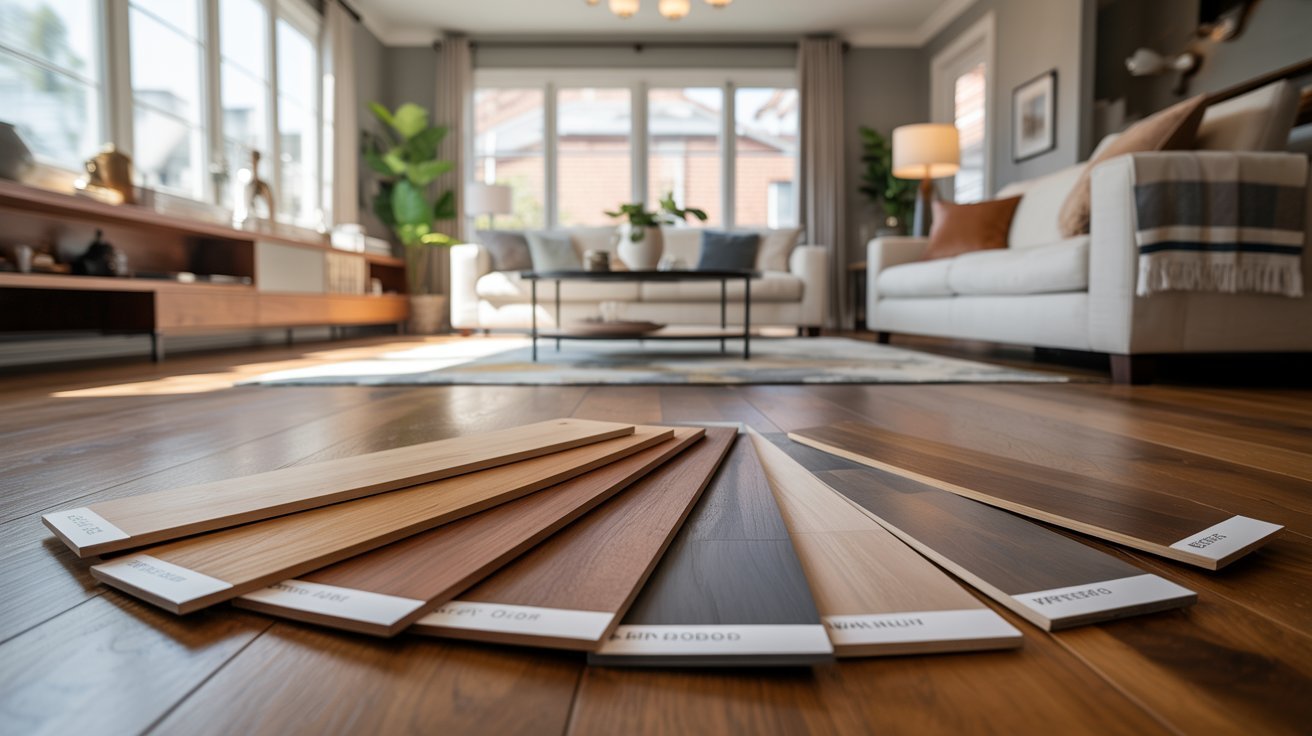

Picking the right floor color is harder than it sounds. I've been there, standing in a showroom, completely unsure which shade actually works at home.
If you're searching for the most popular hardwood floor colors, you're in the right place.
In this blog, I'll cover everything from light naturals to dark espresso tones, plus 2026 trends, low-maintenance options, and how to match colors to your space.
I have years of experience helping homeowners make confident flooring choices. By the end, you'll know exactly where to start.
Why Hardwood Floor Color Matters
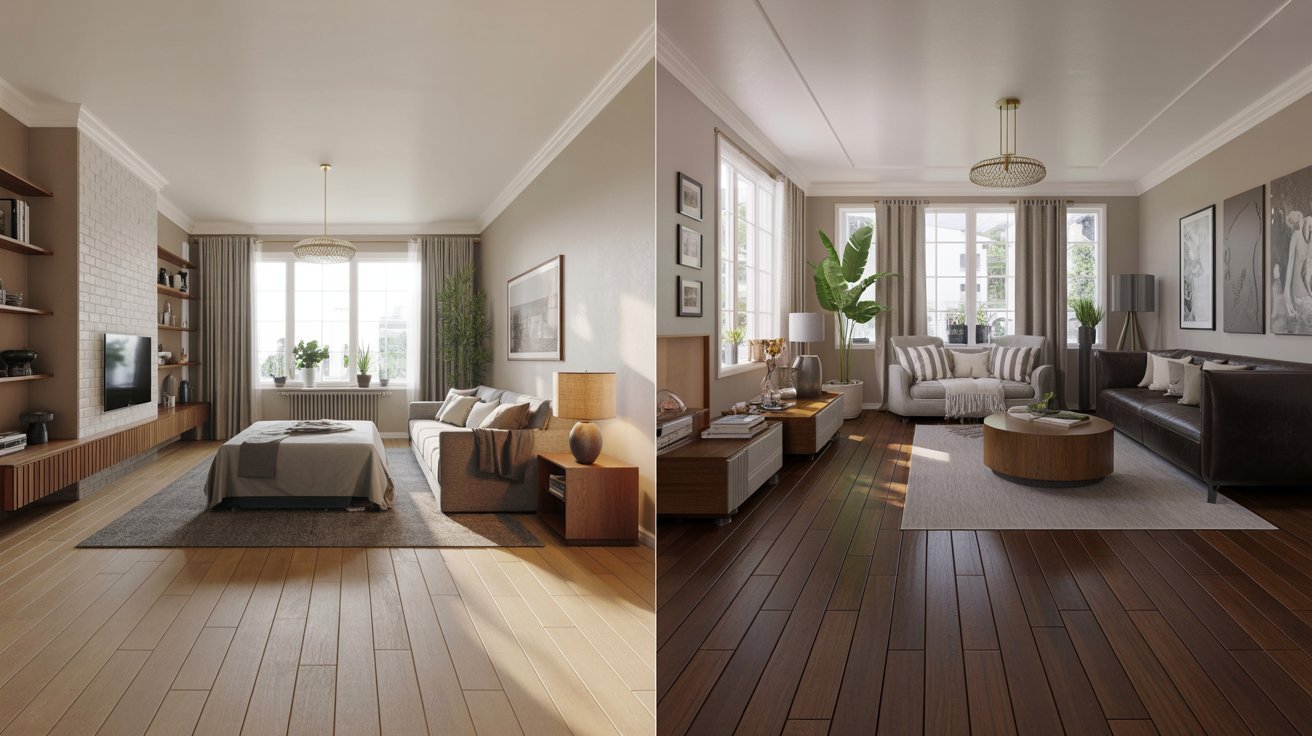
Floor color does more than just look good. It shapes how a room feels every single day.
Room brightness and size perception play a big role. Light-colored floors make small rooms feel more open and airy.
Dark floors, on the other hand, can make a large room feel cozier and more grounded. The color you pick directly affects how spacious or compact a room appears.
Matching interior styles is another reason color matters. A warm brown floor pairs well with traditional furniture.
Gray and greige tones work better with modern or minimalist interiors. Getting this right makes the whole room look pulled together without much extra effort.
Maintenance and daily wear also depend on color. Some shades show dust, pet hair, and scratches more than others.
Most Popular Hardwood Floor Colors
Here's a look at the shades that homeowners keep choosing, year after year.
1. Light Natural Wood Tones
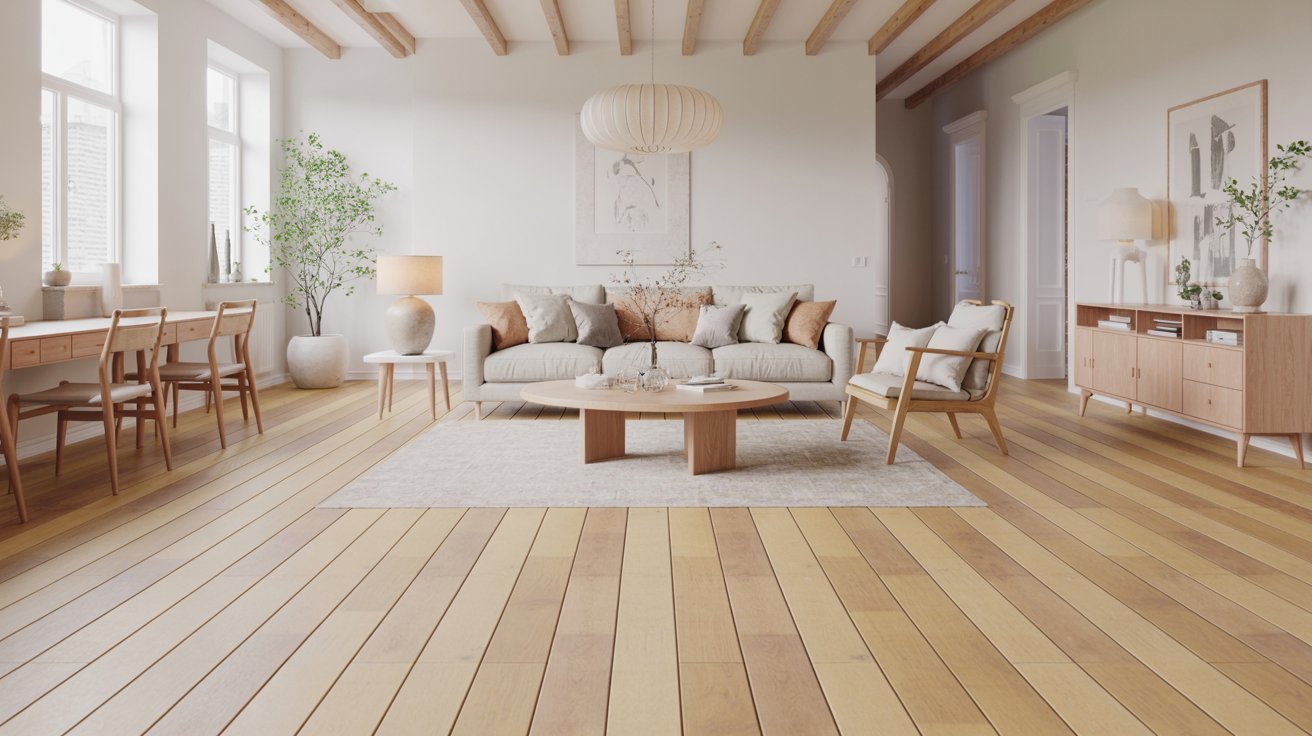
Light floors are consistently one of the top choices for homes today.
Blonde oak is a classic. It has a soft, natural look that works in almost any room. It brightens spaces without feeling cold.
Light neutral flooring in general is a strong choice for open-plan homes. It creates a seamless flow between rooms. It also makes a space feel larger than it actually is.
2. Medium Brown Hardwood Floors
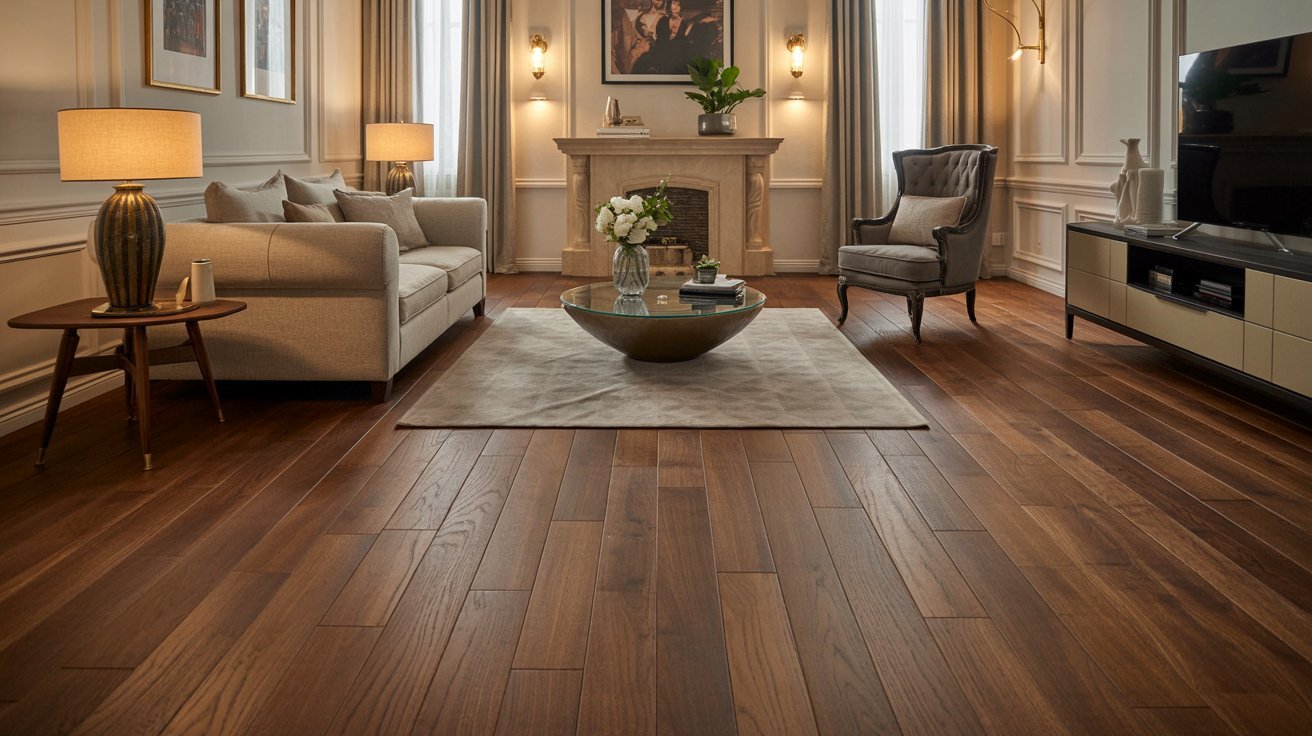
Medium brown remains one of the most chosen hardwood floor colors across all home styles.
Walnut shades are rich and slightly darker, with beautiful natural grain patterns. They suit both traditional and contemporary interiors.
Brown floors are also more forgiving with dirt and scratches compared to very dark or very light finishes.
3. Gray and Greige Floors

Gray flooring took off a few years ago and is still going strong.
Greige color blends (a mix of gray and beige) offer a softer take on the trend. Greige is warmer than pure gray, so it feels less cold in everyday living spaces.
These tones don't compete with other colors in the room, which makes them a solid background for most interior styles.
4. Dark Espresso and Black Floors

Dark floors make a strong visual statement.
It's a growing trend in high-contrast interior designs, especially when paired with white walls and light-colored furniture.
High-contrast interiors built around dark floors can look striking, but they require a consistent design approach throughout the room to feel intentional rather than heavy.
5. Whitewashed and Golden Finishes

These finishes bring a relaxed, open feel to any space.
Coastal-style flooring in whitewashed tones is popular in beach houses and casual living spaces. It pairs well with linen furniture, rattan accents, and natural textures.
These honey and amber tones feel nostalgic and cozy. They work especially well in older homes where you want to preserve a sense of history and character.
6. Light and Neutral Shades

Lighter floors continue to lead in 2026. Homeowners are moving away from very dark floors and toward soft, airy tones that make rooms feel open.
Ash, light oak, and pale maple are all seeing strong demand. These shades work across many design styles, which explains their continued popularity.
7. Matte Finish Flooring

High-gloss finishes are fading. Matte is the finish of choice in 2026.
It looks more natural and hides surface scratches and smudges better than a shiny finish.
Matte floors also photograph well, which matters to homeowners who are thinking about resale value.
8. Natural Wood Grain Looks

Heavily processed or uniform-looking floors are becoming less popular.
People want floors that look like real wood, with natural variation, knots, and grain patterns visible.
Wide-plank flooring in natural finishes fits this trend perfectly. The goal is for floors to feel organic and authentic rather than manufactured.
9. Warm Brown Tones Returning

After years of gray dominating, warm browns are coming back.
Chestnut, caramel, and medium walnut tones are gaining ground again. These shades feel cozy and familiar.
They also complement the natural material trend, since warm brown is simply what real wood looks like without heavy staining or color alteration.
10. Terracotta and Red-Toned Floors
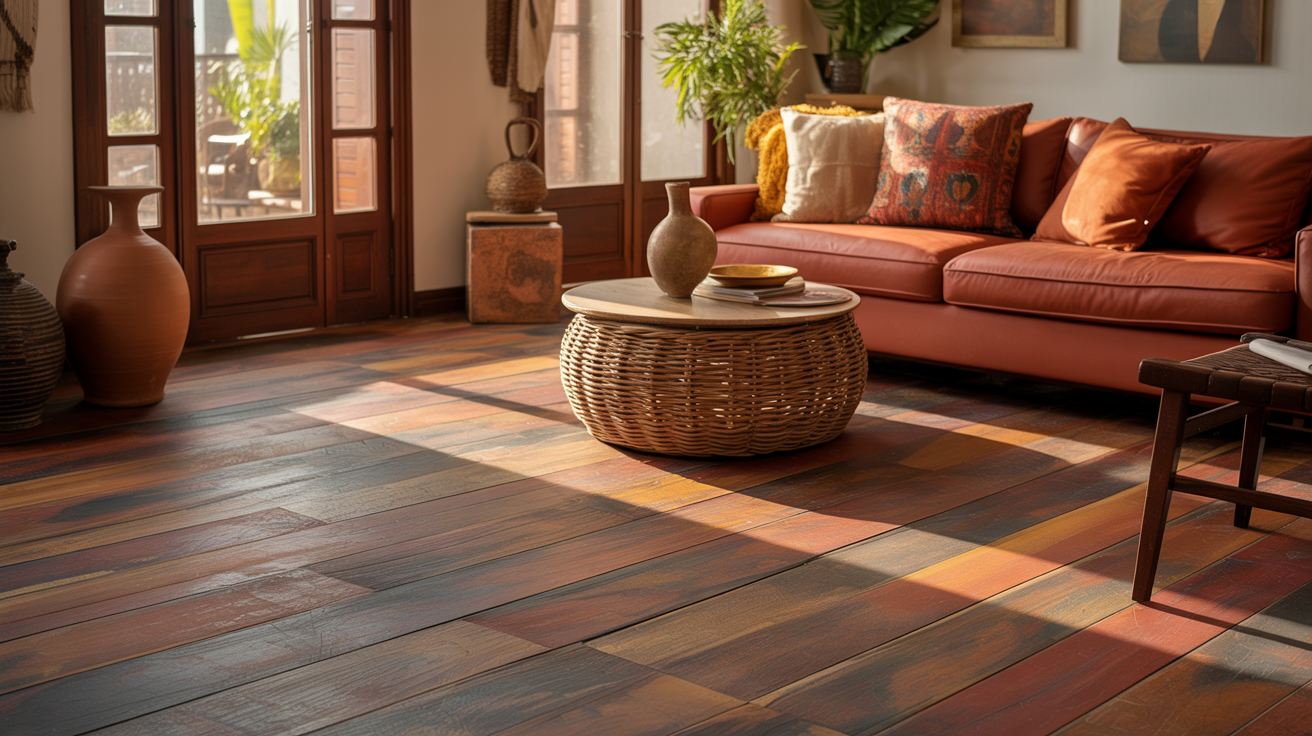
Red and terracotta-tained hardwood floors are making a quiet comeback in boho and earthy interiors.
These warm, russet tones pair well with exposed brick, clay pottery, and deep jewel-toned furniture. They work especially well in dining rooms and entryways where you want a strong first impression.
They do show dust more than mid-tones, so a matte or satin finish helps keep upkeep manageable.
11. Sage and Olive-Tinted Floors

Lightly tinted green floors are an emerging choice for nature-inspired and biophilic interiors.
Sage and olive undertones give wood a subtle, organic feel without looking artificial. These floors pair naturally with white oak furniture, linen textiles, and plenty of indoor plants.
The effect is calm and grounded, ideal for bedrooms, home offices, or any room meant for relaxation.
12. Smoky Blue-Gray Floors

Blue-gray hardwood offers a cooler, more distinctive alternative to standard gray floors.
The slight blue undertone gives rooms a coastal or Scandinavian feel. It works especially well in bathrooms, sunrooms, and open-plan living areas with plenty of natural light.
Pair with white or cream walls and natural wood accents to keep the look balanced rather than cold.
13. Ebony and Charcoal Floors

Ebony and charcoal floors go darker than espresso, and make a bolder statement because of it.
These near-black tones create striking contrast against white walls and light-colored furniture. They work best in larger rooms with strong natural or artificial lighting.
Like all very dark floors, they require regular cleaning to stay looking sharp, but the visual payoff is hard to match for homeowners who want a dramatic, high-end look.
14. Honey and Amber Floors
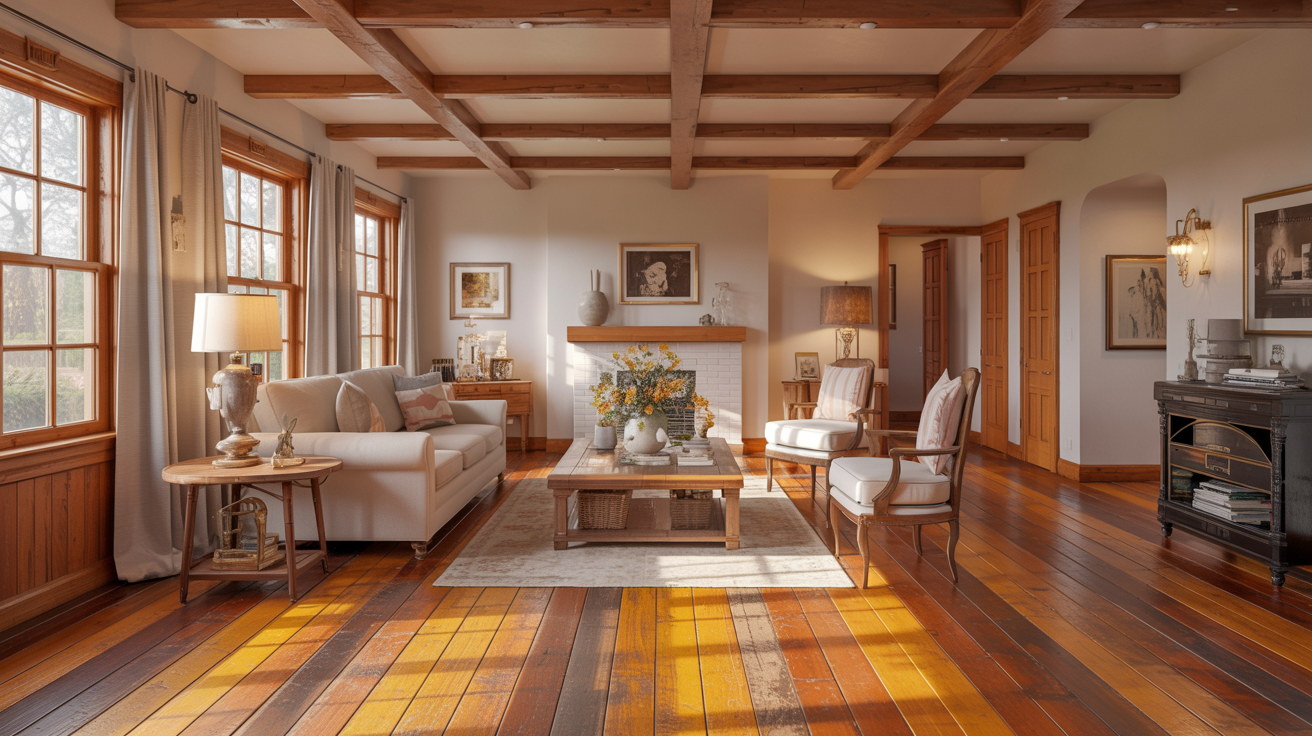
Honey and amber tones sit between light natural and medium brown, warm, inviting, and incredibly versatile.
These golden shades bring a nostalgic, lived-in feel to any space. Paired with warm white walls and wooden ceiling beams, they feel effortlessly timeless.
Honey and amber floors are also forgiving with everyday wear, as their natural variation in grain helps conceal light scratches and dust.
15. Driftwood and Weathered Gray Floors
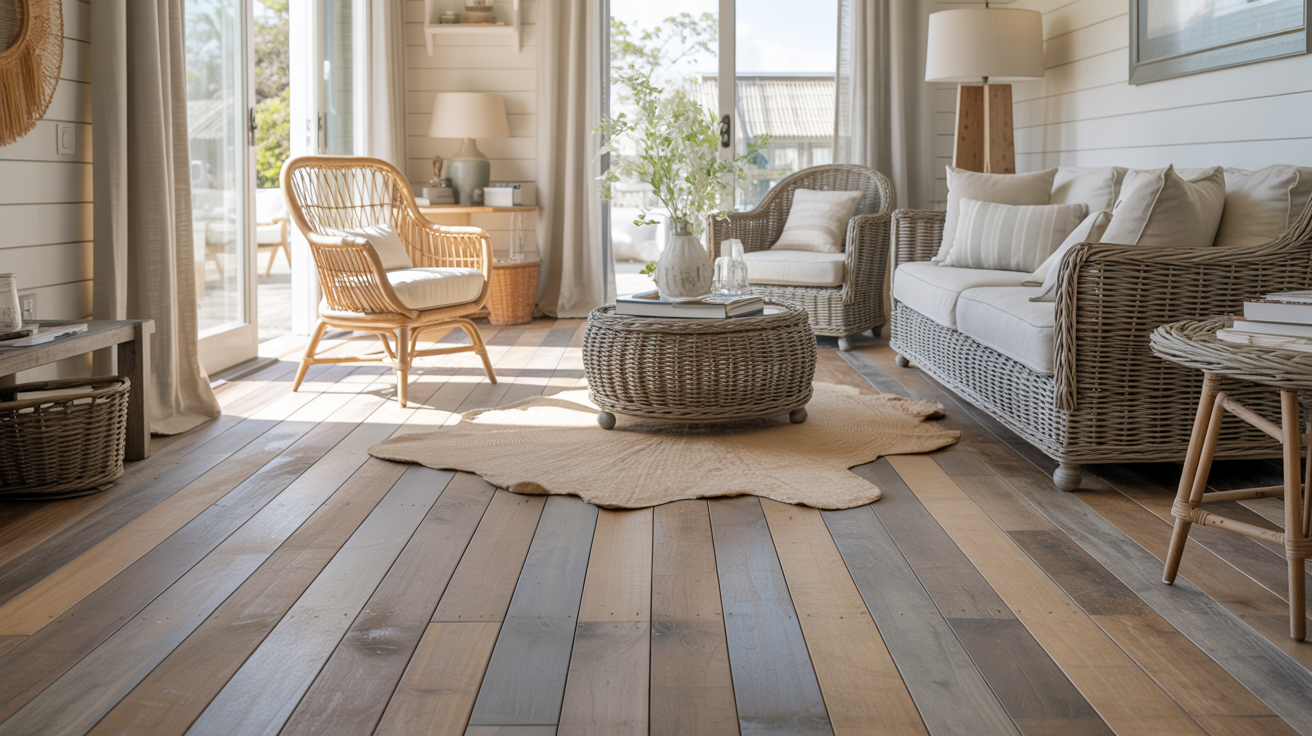
Driftwood-finish floors capture the look of naturally aged wood, soft, textured, and full of character.
They suit coastal cottages, rustic farmhouses, and casual open-plan living spaces particularly well.
The weathered finish also happens to be one of the most low-maintenance looks available, natural variation and texture mean everyday scuffs and dust simply blend in.
16. Cinnamon and Spice Floors
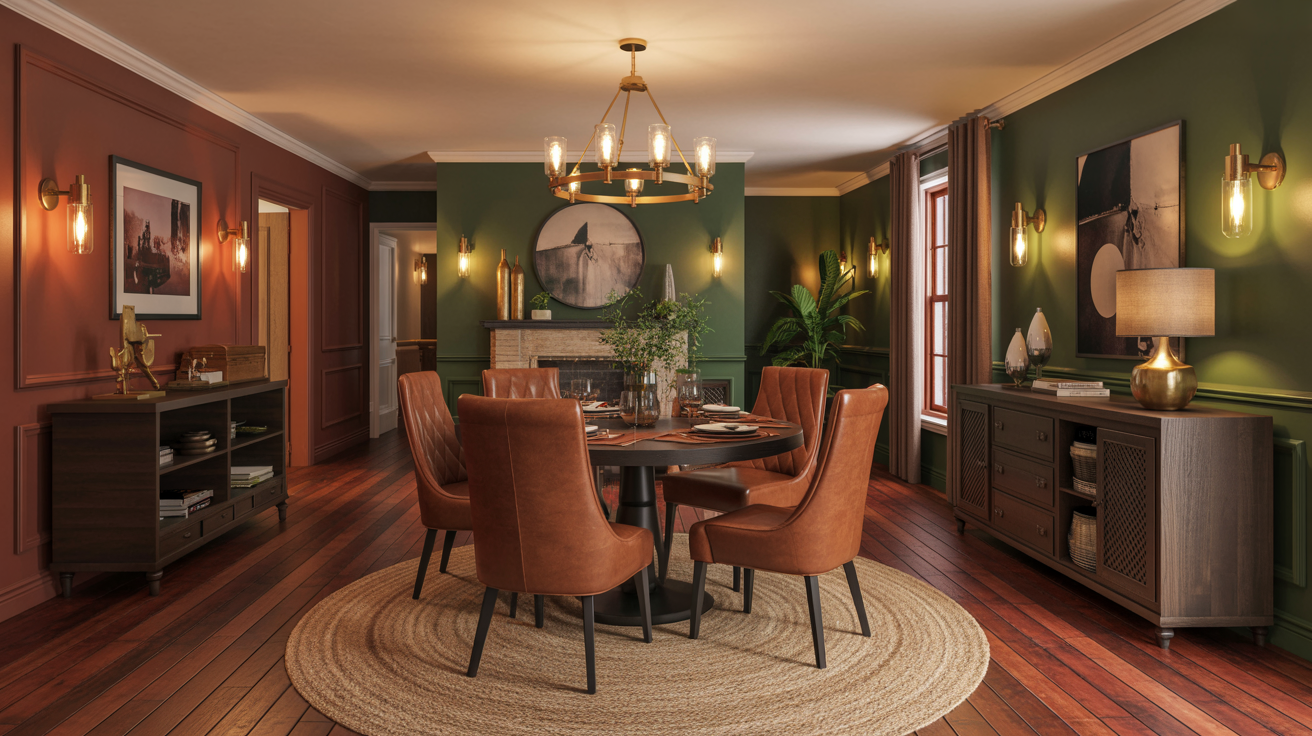
Cinnamon and spice floors bring bold warmth that feels rich without going too dark.
These reddish-brown tones work beautifully in dining rooms and study spaces. They pair well with leather furniture, deep green walls, and brass fixtures.
The reddish undertone adds personality to neutral spaces and ages gracefully over time.
17. Pearl and Ivory Floors

Pearl and ivory floors are the softest end of the light floor spectrum almost white but warm enough to avoid feeling sterile.
They work best in Scandinavian and minimalist interiors, making rooms feel expansive and gallery-like.
Paired with soft gray walls and simple furniture, they create a clean, uncluttered atmosphere.
18. Rustic Pine Floors

Rustic pine floors lean fully into the natural wood aesthetic knots, grain variation, and all.
The light yellowish-brown base with visible imperfections suits log homes, mountain retreats, and farmhouse interiors perfectly.
Pine is also one of the more affordable hardwood options, offering character and warmth without a premium price tag.
19. Mocha and Coffee Floors

Mocha floors sit in the sweet spot between medium brown and dark espresso rich and sophisticated without being as hard to maintain as true dark floors.
They pair beautifully with warm neutrals, soft creams, and brushed gold accents.
They also hide everyday dirt and pet hair better than darker shades, making them a practical pick for busy households.
20. Silver and Steel-Toned Floors
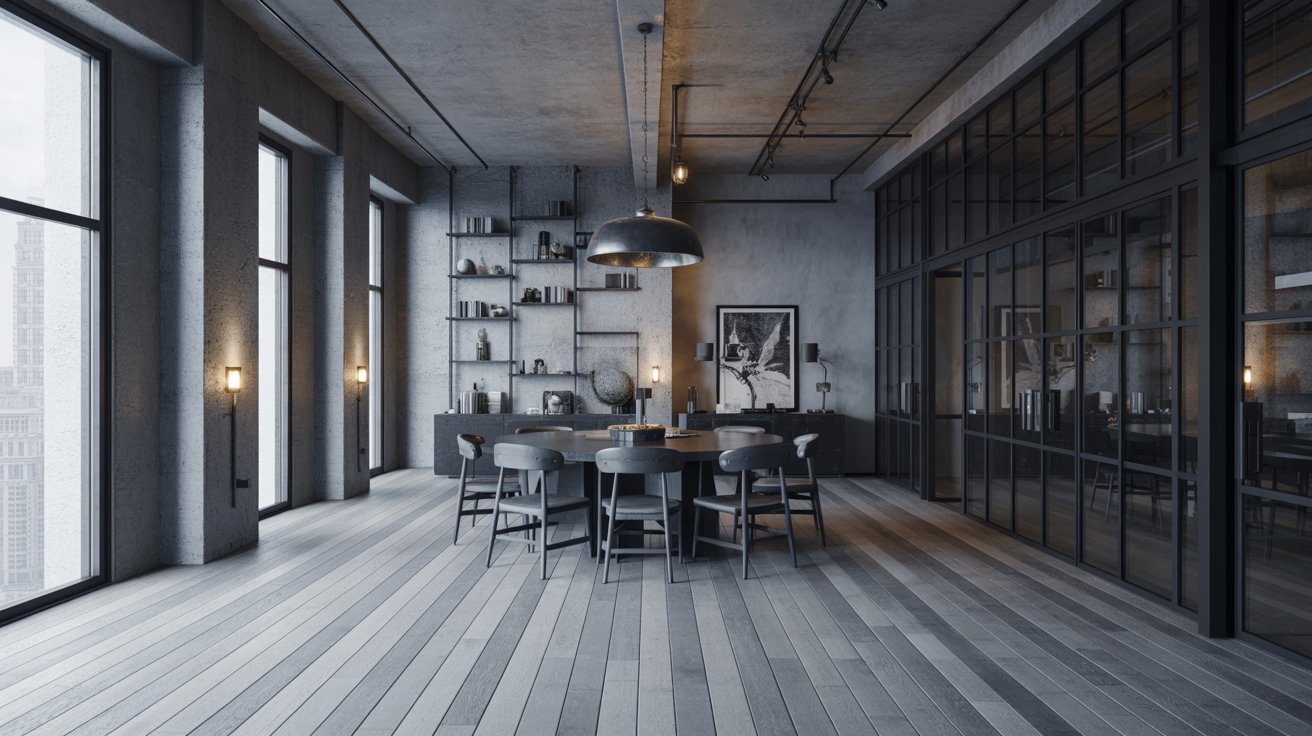
Silver and steel-toned floors push the gray palette into cooler, more industrial territory.
They work especially well in loft apartments and urban homes with exposed concrete and dark cabinetry.
They pair best with monochromatic color schemes and statement lighting for a sleek, modern edge.
21. Burnt Sienna and Clay Floors
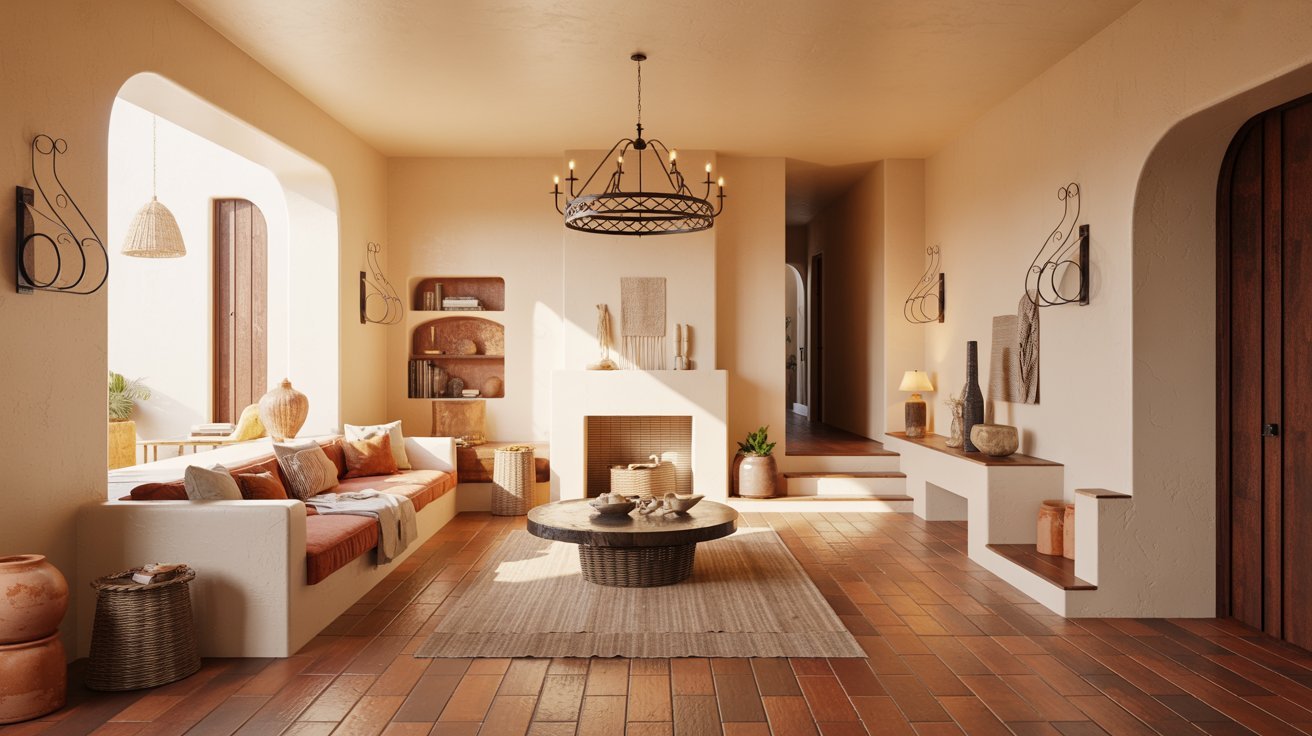
Burnt sienna and clay floors bring a sun-baked Mediterranean warmth that feels both exotic and grounded.
These deep orange-brown tones suit Mediterranean, Southwestern, and globally inspired interiors beautifully.
Paired with whitewashed walls and woven textiles, they feel like a summer escape year-round.
How to Choose the Right Hardwood Floor Color
Choosing a floor color isn't just about what looks good in a photo. It's about what works in your actual space, every day.
- Lighting changes everything. Test flooring samples in the actual room at different times morning, afternoon, and under artificial lighting. Rooms with lots of natural light can handle darker shades, while low-light rooms do better with lighter, warmer tones.
- Your floor and wall colors need to work together. Light floors pair well with bold or dark walls, and dark floors look great with soft, neutral walls. Bring a sample home and hold it up against your walls before deciding. A little contrast keeps the space from looking flat.
- Some colors demand more upkeep than others. Very dark floors show dust and footprints quickly, while very light floors make scratches more visible. Mid-tone browns and grays are the easiest to maintain and hide everyday wear far better.
- Hardwood floors come in warm and cool tones. Warm tones include amber, honey, and chestnut. Cool tones include gray, greige, and ash. Match the undertone to your existing furniture and decor to keep everything looking consistent.
Common Mistakes to Avoid
- Choosing only based on trends: A color that's popular right now may not suit your home's lighting, furniture, or layout. Always choose based on your specific space, not just what's trending online.
- Ignoring room size and lighting: Dark floors in a small, dimly lit room can make the space feel cramped. Always factor in how much natural light your room gets before committing to a shade.
- Skipping flooring samples: Never buy flooring based on a photo or a small chip. Bring home full samples and live with them in your space for a day or two before deciding.
- Not thinking about long-term maintenance: Some colors require far more upkeep than others. Consider how much time you're willing to spend cleaning before choosing a very dark or very light finish.
- Overlooking your existing furniture and trim: Your floor needs to work with what's already in the room. Clashing tones between floors, walls, and furniture make a space feel disconnected and unplanned.
Conclusion
Choosing from the most popular hardwood floor colors doesn't have to feel overwhelming.
In my experience, the best floor color is the one that works for your life, your light, and your home's style.
Whether you lean toward light naturals, warm browns, or modern grays, the right shade is out there.
Start with samples, check them in your actual space, and trust what feels right.
Found this helpful? Drop a comment below or share this post with someone who's planning a floor upgrade.
Frequently Asked Questions
What hardwood floor color is best for small rooms?
Light hardwood colors like blonde oak, pale maple, and soft greige help small rooms feel brighter and more open. They reflect more light and create a spacious appearance without making the room feel crowded.
Are gray hardwood floors still popular in 2026?
Yes, gray hardwood floors are still popular, especially softer greige shades with warmer undertones. Homeowners are pairing them with natural textures and matte finishes for a more balanced, modern look.
Which hardwood floor colors hide dirt the best?
Mid-tone browns, warm oak, and greige floors are some of the easiest colors to maintain. They hide dust, footprints, pet hair, and small scratches better than very dark or very light flooring.
Do dark hardwood floors make a room look smaller?
Dark hardwood floors can make a room feel more intimate and grounded, especially in spaces with limited natural light. In larger or well-lit rooms, they often create a rich and elegant appearance instead.
What is the most timeless hardwood floor color?
Medium brown hardwood floors remain the most timeless option because they work with both traditional and modern interiors. Shades like chestnut and walnut rarely go out of style and age naturally over time.