
Hardwood floor cupping can feel frustrating, especially when you do not know what is causing it or how to fix it.
The good news? It is fixable. With years of hands-on experience in floor care, I have helped many homeowners deal with this exact problem.
In this blog, you will learn what hardwood floor cupping is, why it happens, and how to fix it step by step. I will also cover simple DIY methods, when to call a professional, and how to stop it from coming back.
No confusing terms. No fluff. Just clear, simple steps that actually work.
What Is Hardwood Floor Cupping?

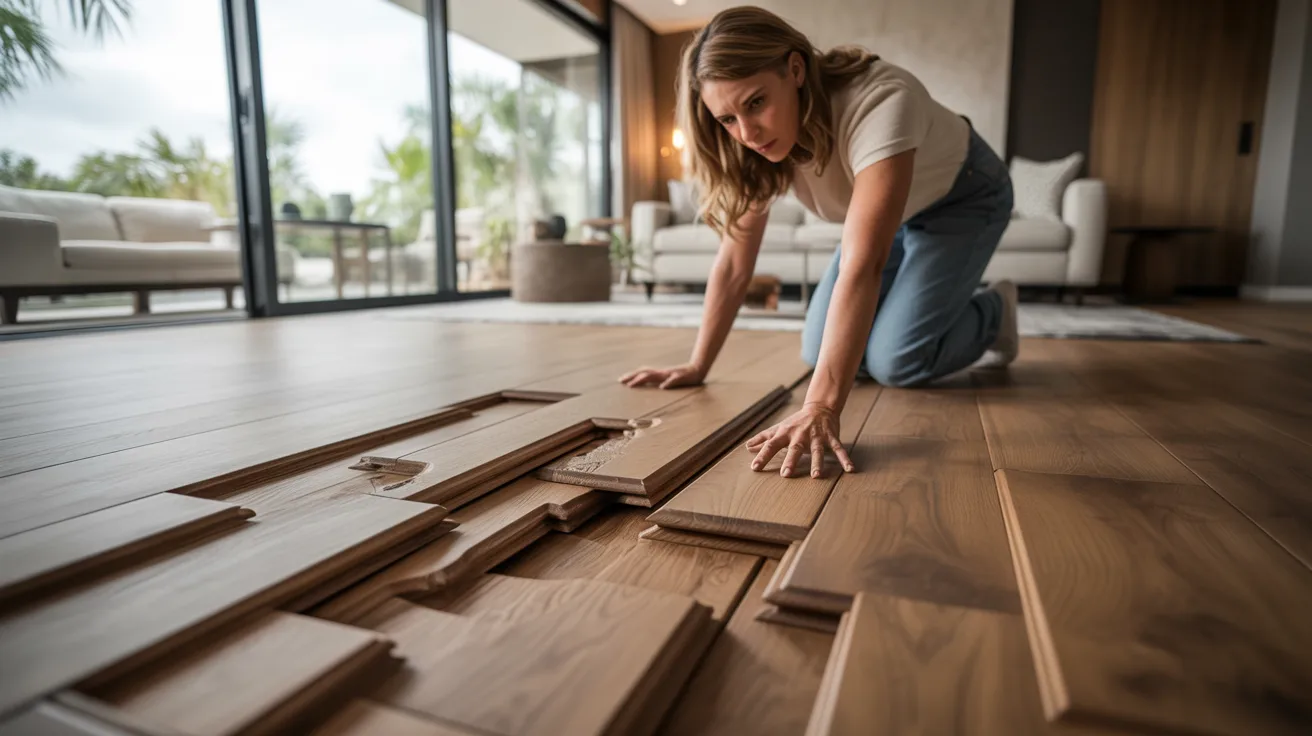
Hardwood floor cupping is when the edges of wood planks rise higher than the center, giving the floor a wavy look.
The most obvious sign is a wavy or uneven surface across the floor. You may feel the edges sitting higher than the middle of each plank.
Gaps between boards, a spongy feel underfoot, and creaking sounds are also common signs to watch for.
Moisture is the main cause. When the bottom of a wood plank absorbs more moisture than the top, the edges push upward.
High indoor humidity, water spills, leaking pipes, and poor subfloor ventilation all contribute to this problem.
Fixing it starts with removing the moisture source. In serious cases, sanding or board replacement may be needed.
How to Fix Hardwood Floor Cupping
Hardwood floor cupping happens when moisture warps the wood. Here is how to fix it step by step.
Find and Fix the Moisture Source
Cupping always has a moisture source behind it. Check for leaking pipes, a damp crawl space, or poor drainage near your home.
Fix the source first. If you skip this, the floor will cup again after repairs.
Lower Indoor Humidity
Too much moisture in the air causes wood boards to swell and push together. Keep indoor humidity between 35% and 55%.
Use a dehumidifier or air conditioning to bring levels down. Avoid wet mopping hardwood floors at any time.
Dry the Floor Properly
After fixing the moisture source, give the floor time to dry fully. Run fans, open windows on dry days, and use a dehumidifier.
In mild cases, boards may flatten on their own over a few weeks. Do not rush this step.
When to Sand or Refinish the Floor
Wait until the floor is completely dry before sanding. Sanding too soon can leave low spots as the wood continues to settle.
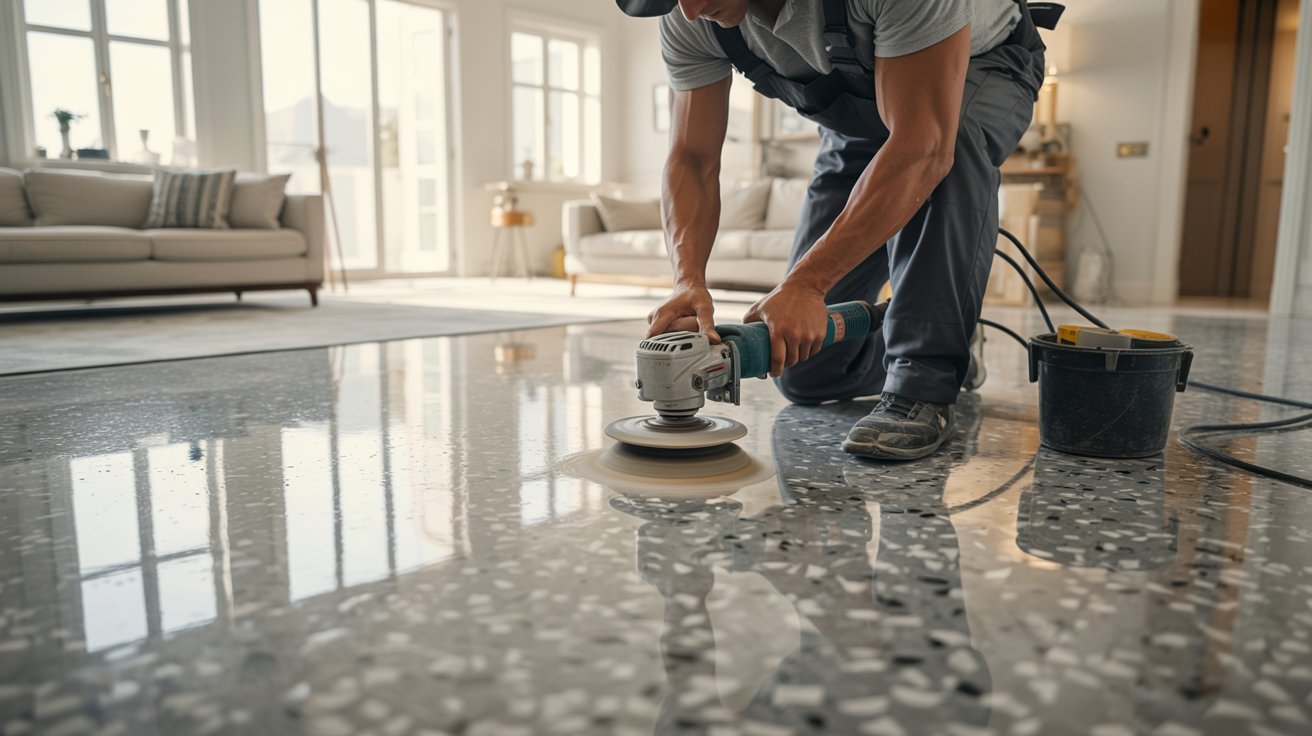
If boards are mostly flat after drying, a light sand and refinish should do the job. If boards are cracked or badly warped, some may need full replacement.
DIY Fixes for Minor Hardwood Floor Cupping
Minor hardwood floor cupping can be fixed at home with the right steps and tools.
Using Fans and Dehumidifiers

When your hardwood floor starts to cup, moisture is almost always the cause. Acting fast can stop the damage from getting worse.
Place box fans directly on the affected area and keep them running for 24 to 48 hours. A dehumidifier works even better in closed spaces.
Keep doors and windows shut so it can pull moisture from both the air and the floor.
Check the floor every 12 hours. Light cupping will often flatten out once the moisture level drops. Avoid using heat guns as too much direct heat can crack the wood.
Cleaning and Drying Water Spills Quickly

A spill that sits too long is one of the most common causes of cupping. The faster you clean it up, the better.
Use a dry cloth to soak up water right away. Press down firmly and do not let the liquid spread. After blotting, run a fan over the wet spot and keep the area dry for at least a full day.
Avoid using wet mops regularly on hardwood floors. Even small amounts of standing water can work into the gaps between planks over time.
Mistakes to Avoid

Sanding too soon can leave you with a floor that dips once it fully dries out. Wait until the wood is completely dry before sanding.
Ignoring the moisture source means the cupping will keep coming back. Always find and fix the root cause first.
Using too much water to clean feeds the same problem you are trying to fix. Use a barely damp mop at most.
When to Call a Professional
Some cupping problems go beyond what home fixes can handle. Getting expert help at the right time saves both time and money.
Severe or Widespread Cupping
If cupping covers a large part of the floor or boards have lifted significantly, DIY methods will not be enough. A flooring professional has tools to measure moisture inside the wood and can tell you if the boards can be saved or need replacement.
If boards have started to crack, splinter, or separate at the seams, call a flooring expert right away.
Signs of Subfloor Moisture Problems
If cupping keeps coming back after drying, the subfloor may be the real source. A musty smell from the floor often points to trapped moisture or mold below the surface.
Soft spots when walking on the floor are a serious red flag. This usually means the subfloor has weakened from long term moisture exposure.
No amount of surface drying will fix this. A professional can inspect below the surface and handle the repair correctly.
How to Prevent Hardwood Floor Cupping
Hardwood floor cupping happens when moisture gets out of balance, causing the edges of planks to rise above the center.
To prevent this, keep indoor humidity between 35% and 55% using a humidifier or dehumidifier as needed.
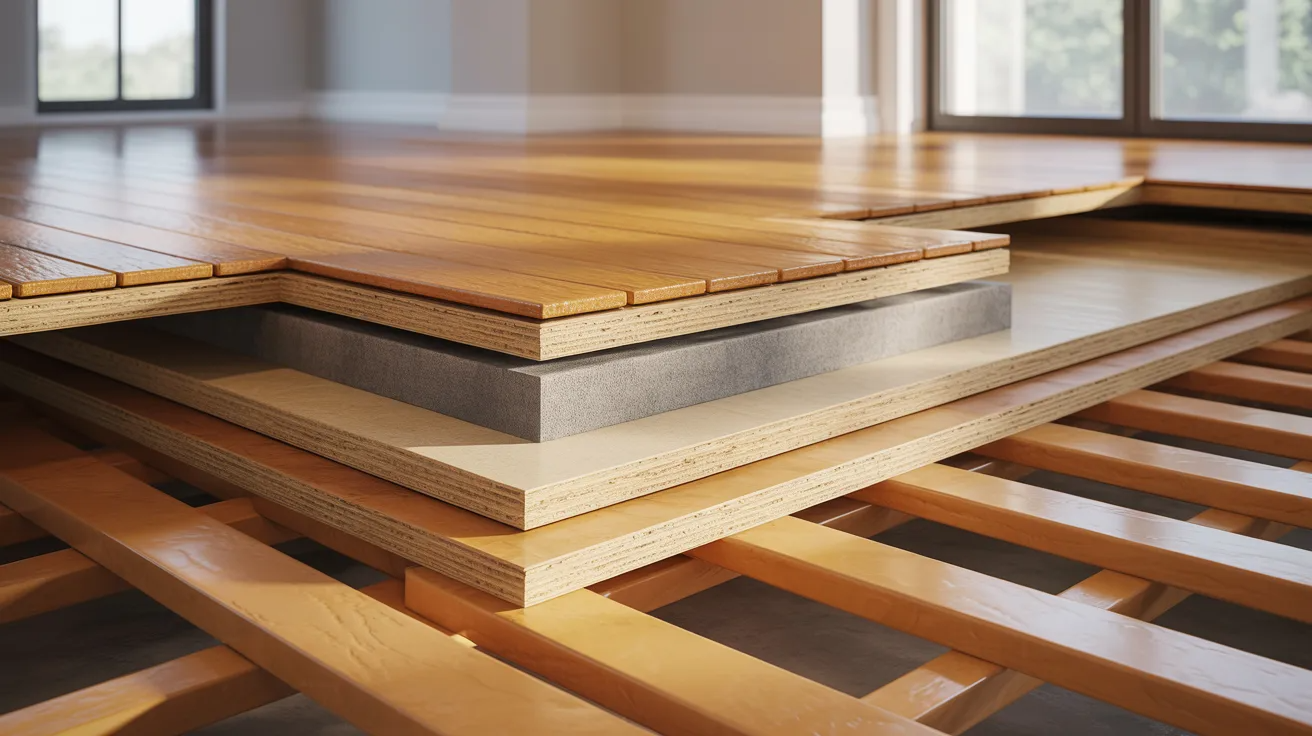
Fix any leaks right away, wipe up spills immediately, and avoid wet mopping. Always let wood acclimate for three to five days before installation, use a moisture barrier under the planks, and make sure your subfloor is dry and level before laying the floor.
Clean with a dry or lightly damp mop, reseal your floors every few years, and run exhaust fans in kitchens and bathrooms to pull moisture out of the air.
Small, consistent habits go a long way in keeping your hardwood floors flat and solid for years to come.
Conclusion
I once ignored a small cupped section near my kitchen sink, thinking it would sort itself out. It did not.
By the time I called a professional, three boards needed full replacement. That experience taught me that hardwood floor cupping is one of those problems that rewards early action.
Check your humidity, fix leaks fast, and give your floors time to dry properly. A little attention now saves a costly repair later.
Found this helpful? Drop a comment below or share it with someone dealing with the same issue!
Frequently Asked Questions
What causes hardwood floor cupping?
Excess moisture under or around the wood planks is the most common cause of hardwood floor cupping.
How long does it take for a cupped hardwood floor to flatten?
In mild cases, a cupped floor can flatten on its own within a few weeks once the moisture source is removed.
Can I sand a cupped hardwood floor right away?
No, always wait until the floor is completely dry before sanding to avoid low spots and uneven surfaces.
Is hardwood floor cupping covered by homeowner's insurance?
It depends on your policy, but cupping caused by a sudden water leak is more likely to be covered than damage from long-term moisture buildup.
How do I stop hardwood floor cupping from coming back?
Keep indoor humidity between 35% and 55%, fix leaks promptly, and avoid wet mopping to prevent cupping from returning.