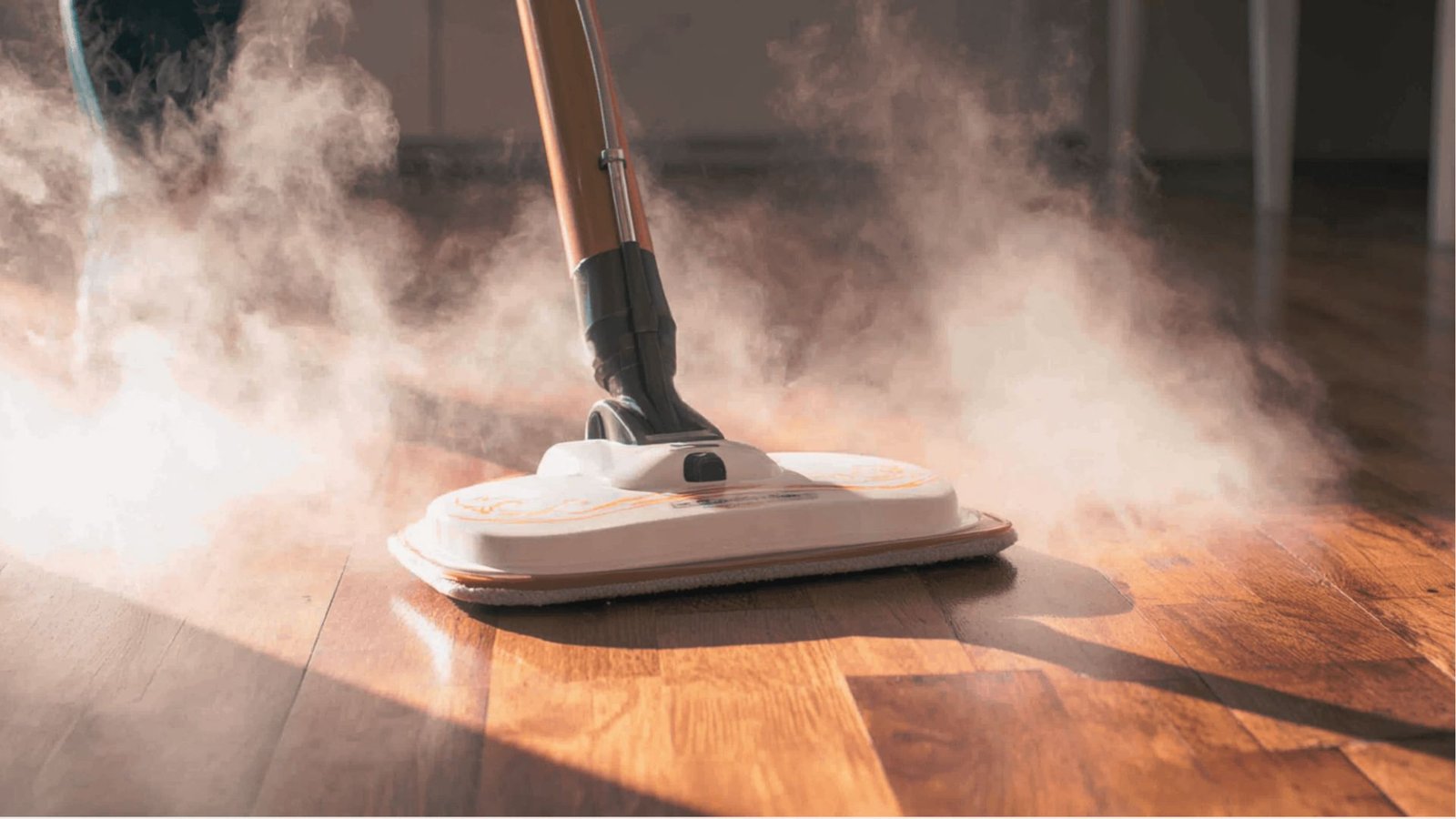

Steam cleaning hardwood floors sounds simple. But one wrong move can warp, stain, or dull your floors for good.
I have seen it happen, and I know how frustrating it can be.
This guide covers everything you need to know, including common mistakes, helpful tips, and the right way to clean without causing damage.
You will learn what mistakes to avoid, how often to clean, and which tips actually work.
With years of floor care experience, I can help you avoid costly errors. If you want clean floors without the stress, keep reading.
Why Steam Cleaning Hardwood Floors Is Risky
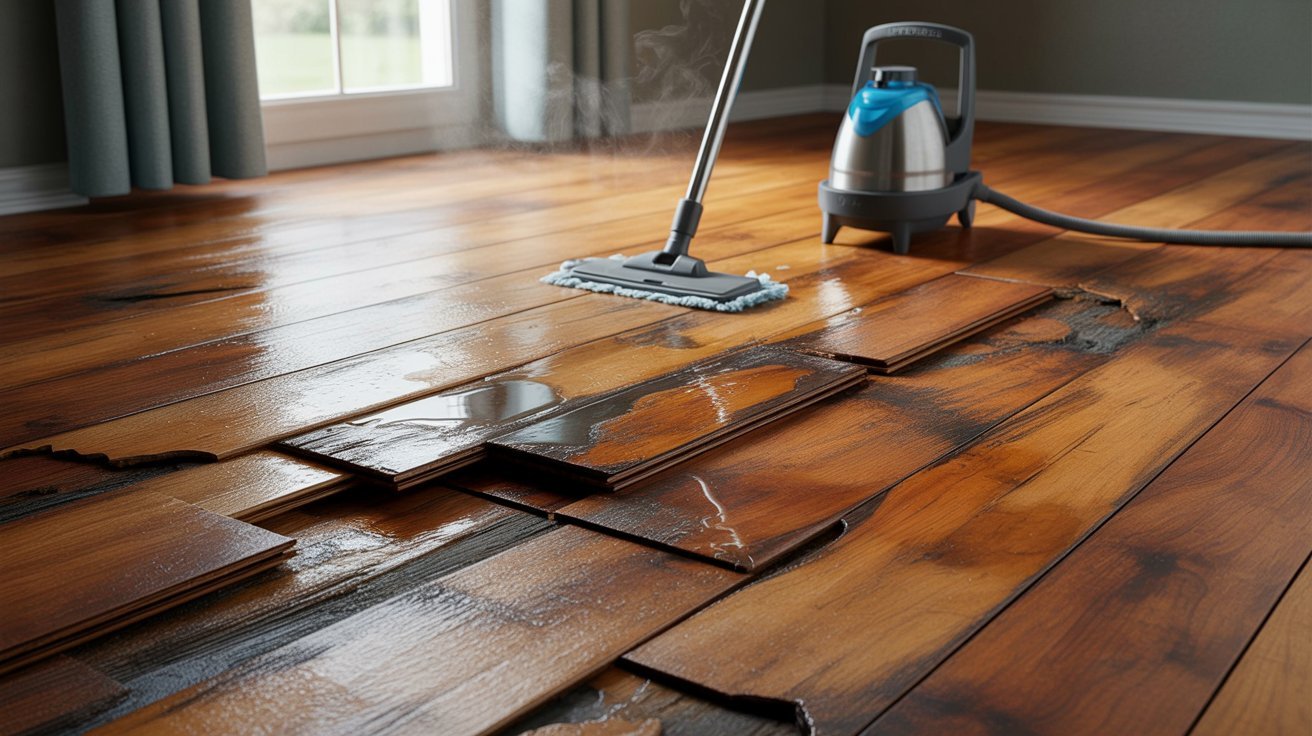
Steam cleaning hardwood floors does more harm than good. The hot vapor forces moisture into the wood, causing boards to warp, cup, or buckle over time.
It also breaks down the protective finish, leaving the wood exposed to dirt and damage. Many manufacturers warn against it, and using a steam mop can void your floor warranty.
Moisture that seeps through board gaps can even lead to hidden mold growth under the floor. Simple dry mopping or lightly damp mopping with a hardwood safe cleaner is all you need to keep your floors clean and in good shape.
Which Hardwood Floors Can Be Steam Cleaned Safely?
Not all hardwood floors handle steam well. Knowing your floor type helps you clean without causing damage.
Sealed vs Unsealed Hardwood Floors
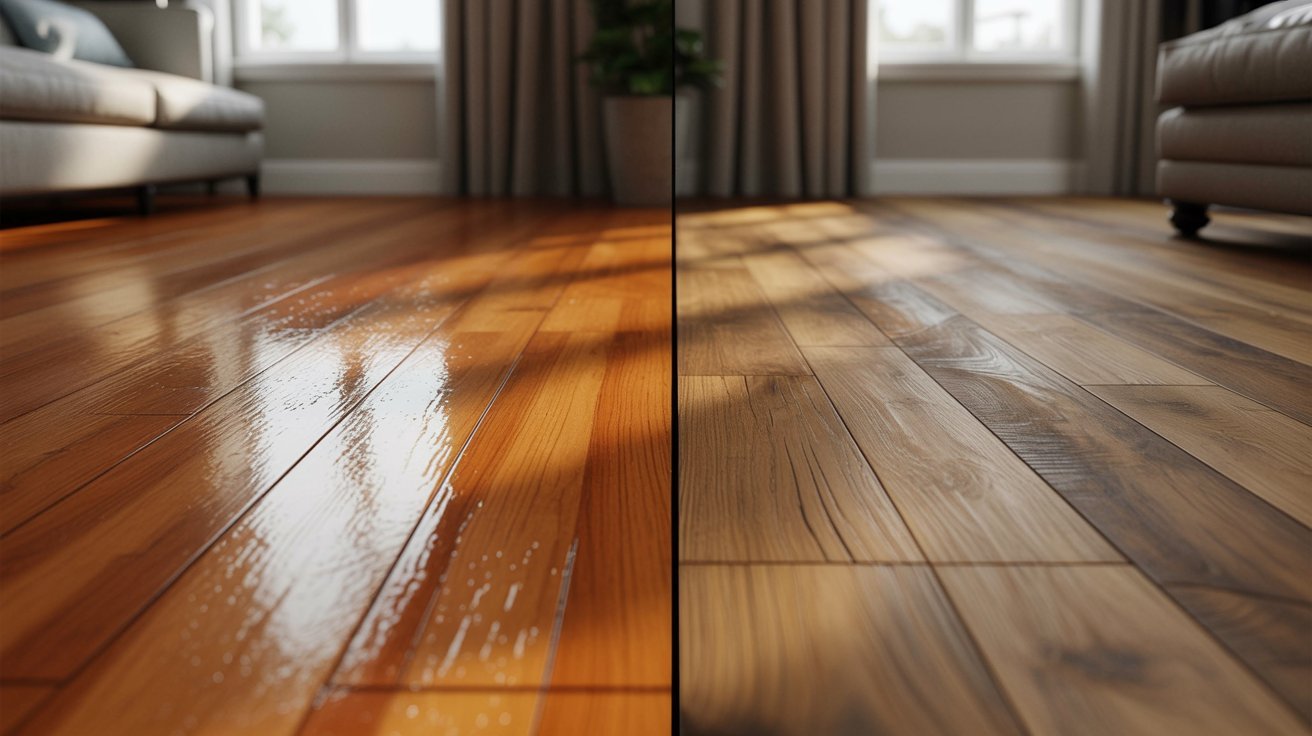
Sealed floors have a protective coating that blocks moisture. Steam cleaning is safer on these, but too much steam can still wear down the finish over time.
Unsealed floors have no barrier, so steam goes straight into the wood. This causes swelling and warping, so never use a steam cleaner on unsealed hardwood.
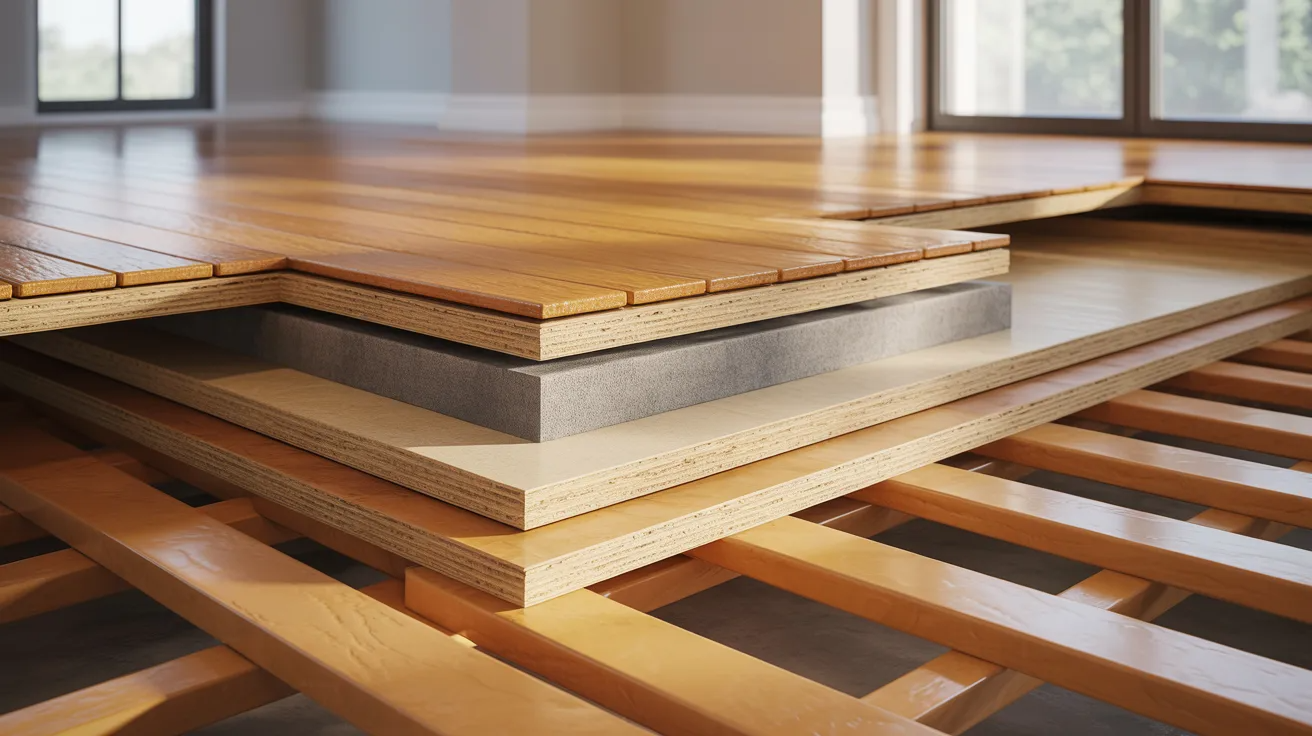
Engineered Hardwood vs Solid Hardwood
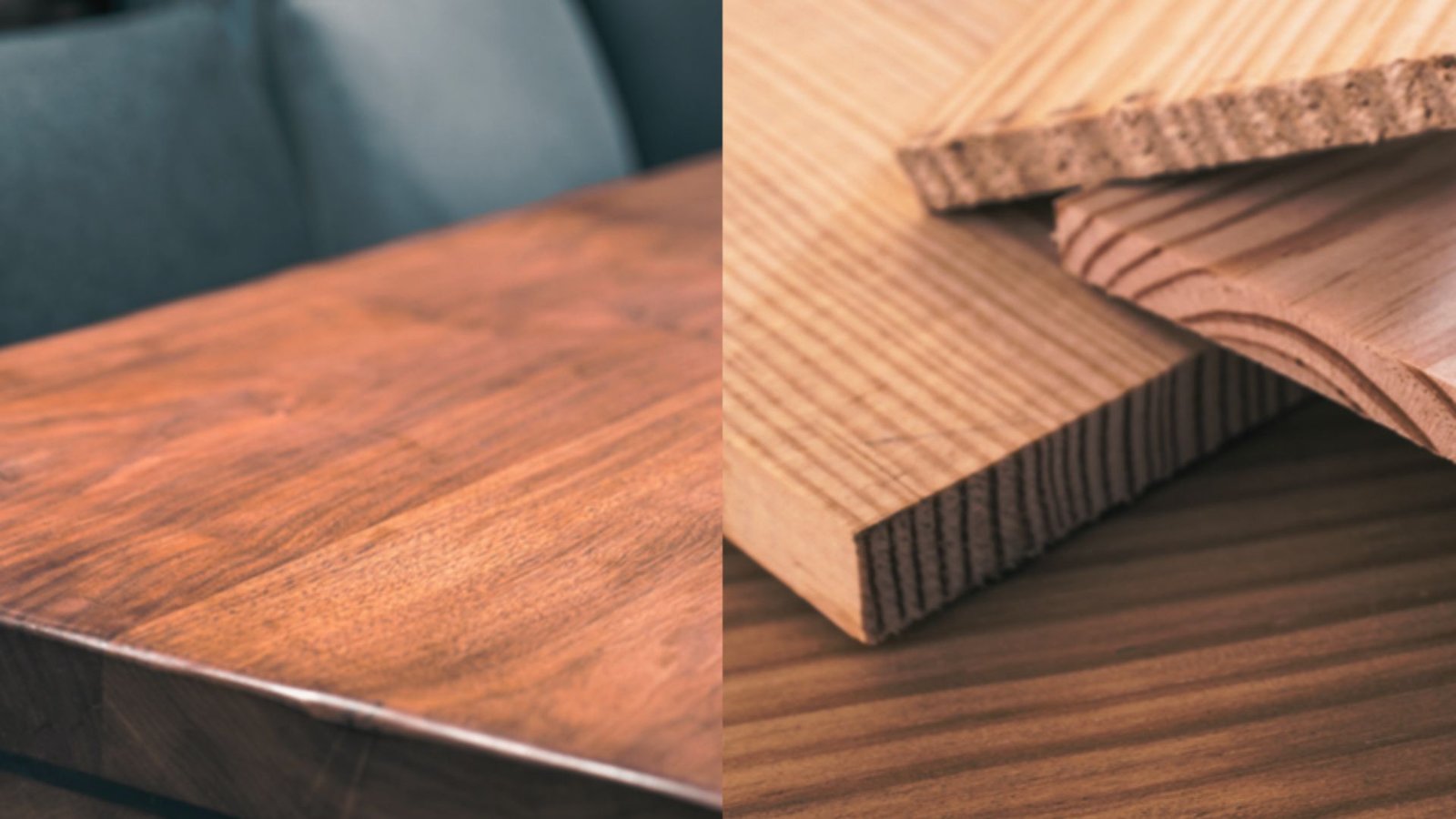
Solid hardwood is one piece of wood throughout. It reacts badly to heat and moisture, so most experts suggest skipping steam cleaners on it completely.
Engineered hardwood handles moisture slightly better, but regular steam cleaning still breaks down the adhesive layers. A damp mop works better for both types.
How to Check if Your Floors Are Properly Sealed

Try the water drop test by placing a few drops of water on the floor. If it beads up, the floor is sealed. If it soaks in and darkens the wood, it is not sealed.
You can also check the surface in good light, as sealed floors have a slight sheen while unsealed floors look flat. When in doubt, ask a local flooring professional before using any steam cleaner.
What Happens if You Steam Clean Hardwood Floors?

Steam cleaning may seem like a good idea, but it can cause serious and lasting damage to hardwood floors.
Warping and Buckling
Hardwood reacts strongly to heat and moisture. When steam hits the surface, the wood absorbs it fast and expands unevenly.
This causes planks to warp or buckle over time. In many cases, the only fix is replacing the damaged boards, which can be costly.
Finish Damage and Discoloration
Steam breaks down the protective coating on hardwood floors quickly. The heat causes the finish to lift or peel, and white cloudy spots may form on the surface.
The wood color can also change, leaving uneven patches that are very hard to fix.
Moisture Problems Between Floorboards
Steam forces moisture into the small gaps between each plank. Water sitting in those gaps creates the right conditions for mold and rot to develop.
The boards may start to creak, shift, or separate, and repeated steam cleaning makes this problem worse over time.
How to Steam Clean Hardwood Floors Without Damage
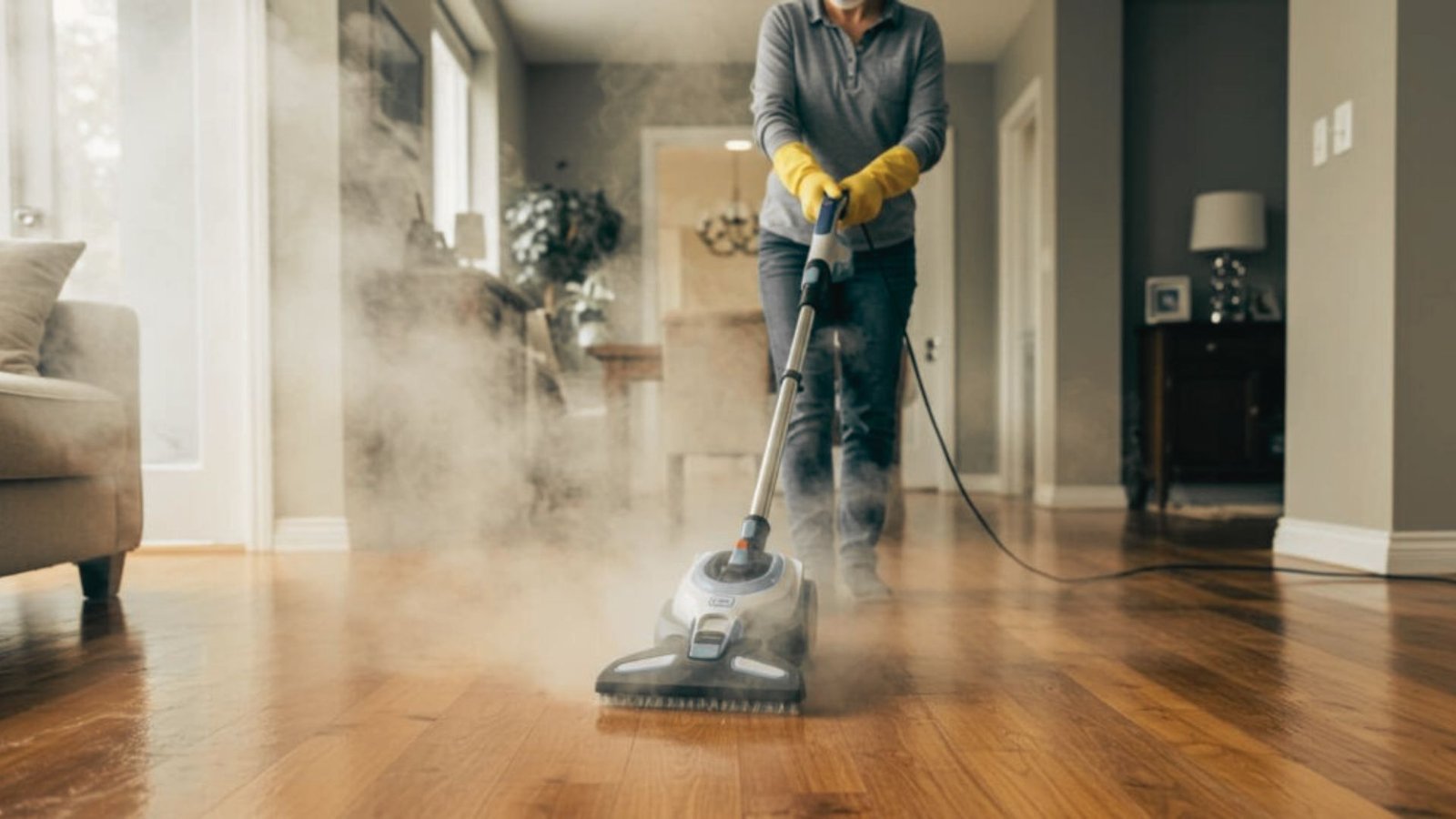
Steam cleaning hardwood floors can be safe and effective when you follow the right steps and use proper techniques.
Choose the Right Steam Mop
Not every steam mop works well on hardwood floors. Look for one made for hard surfaces with a soft microfiber pad.
Avoid heavy duty machines made for tiles, as these push too much heat into the wood. Always check the product label to confirm it is safe for hardwood.
Use Low Steam Settings
High heat is one of the biggest risks when cleaning hardwood floors. Always start on the lowest steam setting your mop allows.
Test a small hidden area first and wait a few minutes to see how the wood responds before cleaning the full floor.
Keep the Mop Moving Constantly
Never leave the steam mop sitting in one spot. Heat and moisture build up quickly and can cause serious damage.
Keep the mop moving at a steady pace in straight lines along the grain of the floor. If you need to pause, lift the mop head off the surface completely.
Dry Floors Immediately After Cleaning
Even small amounts of leftover moisture can cause warping or mold over time. After steaming, wipe the floor with a dry microfiber cloth right away.
Open windows or run a fan to help the floor dry faster. Do not walk on the floor until it feels completely dry.
Best Alternatives to Steam Cleaning Hardwood Floors
Steam cleaning can damage hardwood floors over time. These safer methods keep your floors clean and in good shape.
Microfiber Dust Mopping
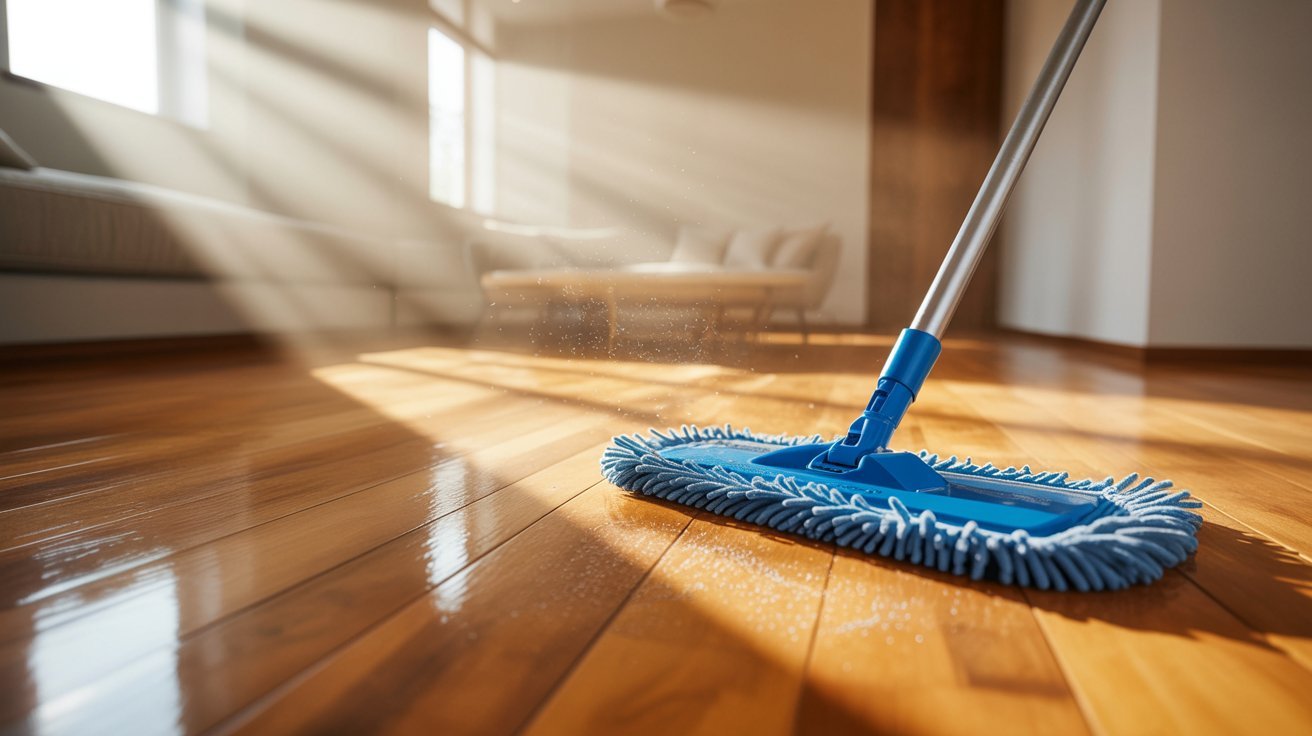
A microfiber mop picks up dust, dirt, and pet hair without scratching the surface. The tiny fibers grab particles that a regular broom often misses.
No water or cleaning solution is needed, making it safe for all hardwood floors. Using it two to three times a week stops dirt from building up and causing scratches.
Damp Mopping With Hardwood Floor Cleaner

Damp mopping gives hardwood floors a deeper clean without using too much water. Always wring out the mop well before touching the floor to avoid warping or swelling.
Use a cleaner made for hardwood floors since these products are pH-balanced and residue free. Spraying the cleaner onto the mop pad instead of the floor gives you better moisture control.
Spot Cleaning Spills and Stains
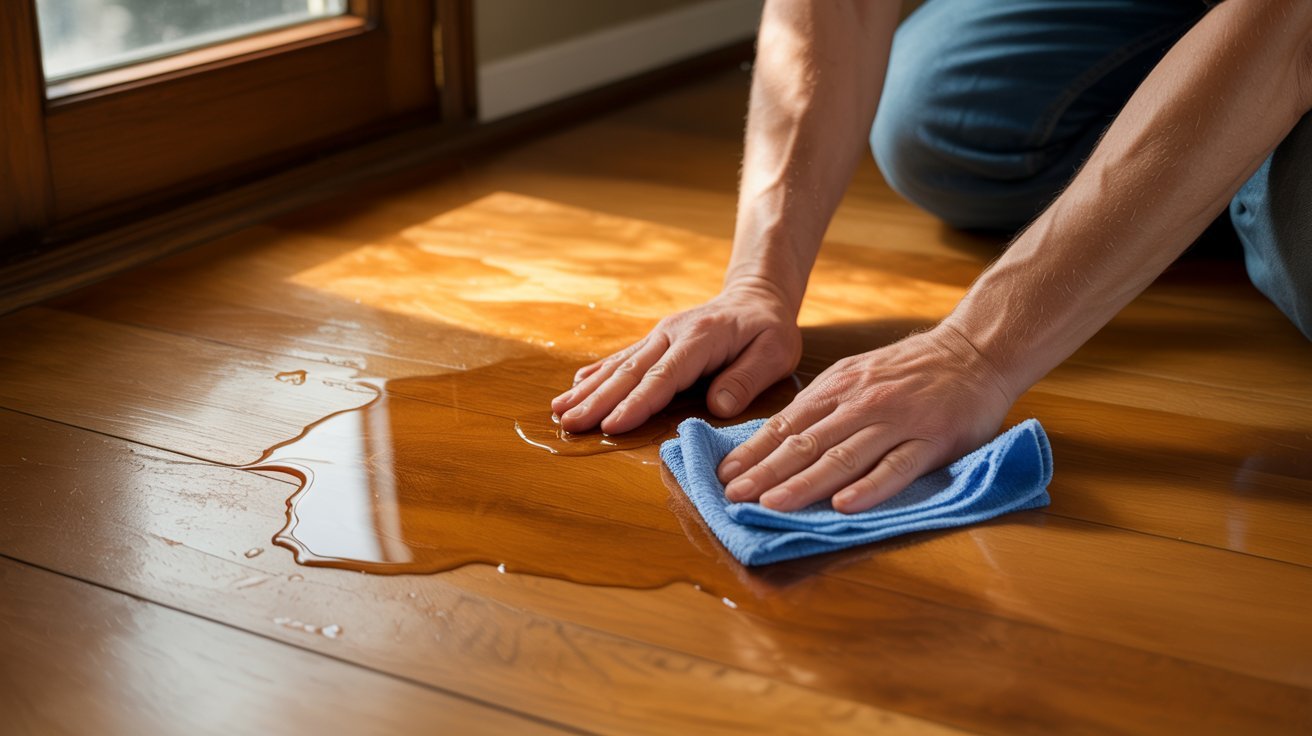
Acting fast when something spills is the best way to protect hardwood floors. Blot the spill right away with a dry cloth and avoid rubbing it into the wood grain.
For dried stains, press a damp cloth with a small amount of hardwood cleaner onto the spot. Stay away from vinegar, bleach, or all purpose sprays as they can strip the finish over time.
Common Mistakes to Avoid When Steam Cleaning Hardwood Floors
Steam cleaning hardwood floors can cause damage if done the wrong way. Avoid these common mistakes to keep your floors in good shape.
Using Steam on Waxed or Oil Finished Floors
Wax and oil finishes do not respond well to steam. The heat breaks down the coating and leaves the wood exposed and dull.
Always check your floor's finish before using a steam cleaner. If you are unsure, test a small hidden area first.
Steam Cleaning Too Frequently
Hardwood expands and contracts with heat and moisture. Cleaning with steam too often leads to warping, cupping, and gaps between boards.
Stick to steam cleaning once every few months. Use a dry mop for regular maintenance instead.
Leaving Water Sitting on the Floor
Water left on hardwood after steam cleaning soaks into the seams fast. This causes swelling, staining, and soft spots over time.
After cleaning, wipe the floor dry right away with a microfiber cloth. Good airflow in the room also helps speed up drying.
Tips for Steam Cleaning Hardwood Floors the Right Way
A little care goes a long way when cleaning hardwood floors with steam. Follow these simple tips to get good results without harming your floors.
- Check Your Floor Finish First: Not every hardwood floor can handle steam. Always confirm your floor has a sealed finish before you start.
- Use the Lowest Steam Setting: High heat is not necessary for clean floors. A low or medium setting does the job without putting stress on the wood.
- Keep the Cleaner Moving: Never hold the steam cleaner in one spot. Keep it moving at a steady pace so moisture does not build up in one area.
- Dry the Floor Right After: Go over the floor with a dry microfiber cloth once you are done. Do not let any moisture sit on the surface.
- Do Not Steam Too Often: Once every few months is enough for most hardwood floors. Too much steam over time weakens the wood and the finish.
Conclusion
Steam cleaning hardwood floors scared me at first. I was worried about damaging my floors more than helping them. But once I learned the right way to do it, the process became much simpler.
If you take care of the basics, your floors will stay looking great for years. Start slow, be gentle, and do not rush the drying step.
Have you tried steam cleaning your hardwood floors? Drop a comment below and share what worked for you. I would love to hear your experience!
Frequently Asked Questions
Can You Use a Steam Cleaner on All Hardwood Floors?
No, not all hardwood floors are safe for steam cleaning. Only floors with a sealed finish can handle the heat and moisture from a steam cleaner.
How Often Should You Steam Clean Hardwood Floors?
Steam cleaning once every few months is enough for most hardwood floors. Doing it too often can cause the wood to warp or cup over time.
What Steam Setting Is Safe for Hardwood Floors?
Always use the lowest steam setting available on your cleaner. High heat can damage the finish and dry out the wood faster.
What Should You Do After Steam Cleaning Hardwood Floors?
Wipe the floor dry right away using a clean microfiber cloth. Make sure the room has good airflow so no moisture is left sitting on the surface.
Can Steam Cleaning Remove Scratches From Hardwood Floors?
Steam cleaning is meant for dirt and bacteria, not scratches. For scratches, you will need a wood filler or floor repair kit made for hardwood surfaces.