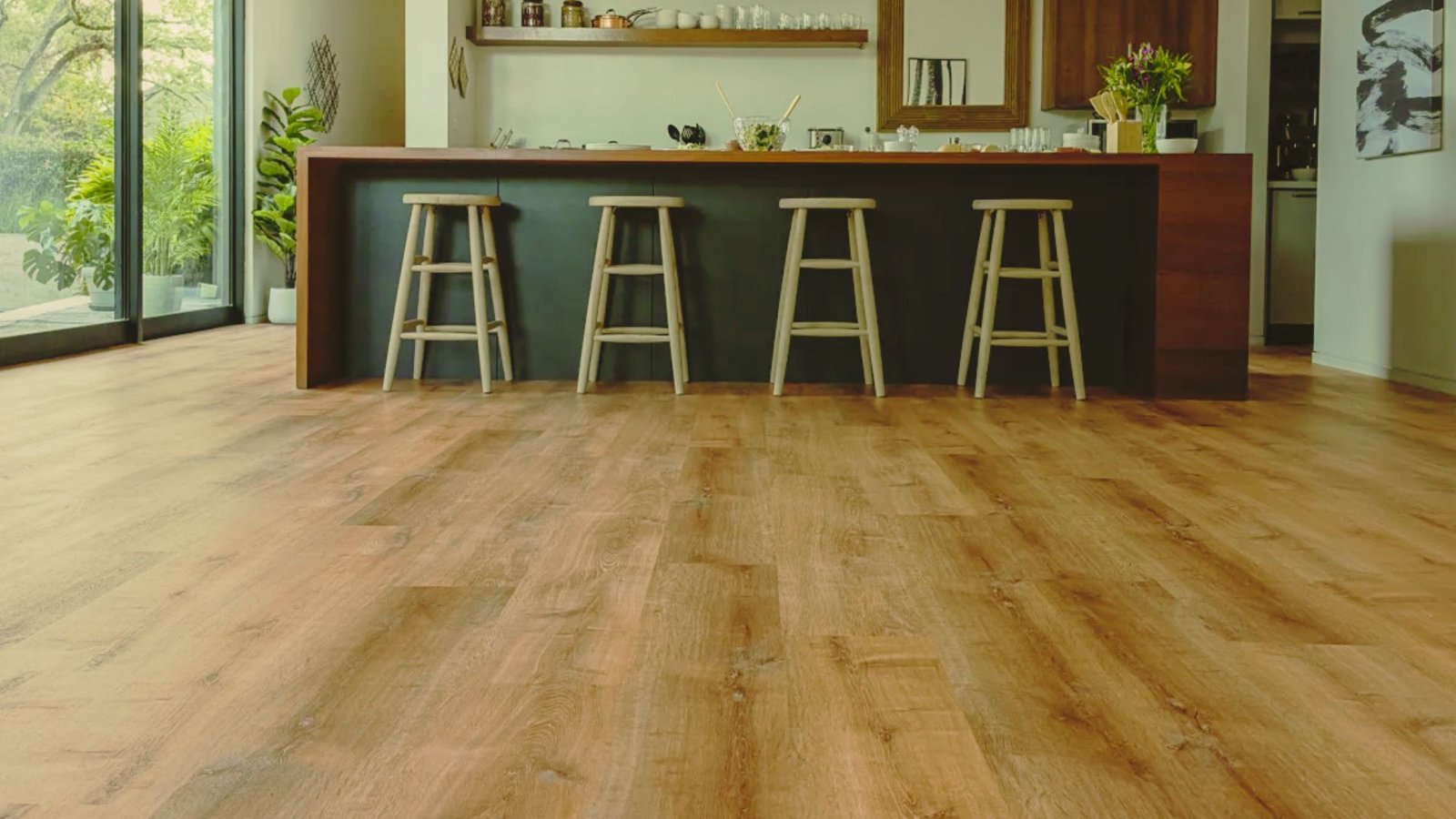

Picking kitchen flooring is not as simple as it looks. There are a lot of options, and it is easy to get confused.
I have helped many people work through this decision, and I know how stressful it can feel.
This guide covers everything you need to know from testing samples to comparing costs, installation choices, and finding what fits your lifestyle.
By the end, you will know exactly what to look for and what to avoid.
No fluff, no confusing terms, just clear, practical advice you can actually use before making your final choice.
How to Choose the Best Kitchen Flooring

The right kitchen floor needs to handle spills, heavy use, and daily wear without constant upkeep.
Start with water resistance. Porcelain tile and vinyl hold up well near sinks and dishwashers. Wood and laminate can warp over time with moisture exposure.
Consider comfort next. Hard surfaces like stone and tile can be tiring underfoot. Cork and vinyl are softer and easier on your feet during long cooking sessions.
Think about maintenance. Some materials need regular sealing. Others just need a quick mop. Pick what fits your routine.
Finally, set a budget. Tile and vinyl are affordable and durable. Stone and hardwood cost more upfront but last for decades. Always include installation costs in your total.
33 Best Kitchen Floor Ideas for Your Remodel
Picking the right kitchen floor can change how the whole room looks and feels. Here are 33 solid options to consider.
1. Classic Black and White Checkered Floors

This pattern has been around for generations and still looks great. It works in both old and modern kitchens.
Vinyl is the most affordable material for this look, while ceramic tile lasts longer. The contrast hides light dirt well between cleanings.
2. Warm White Oak Hardwood Flooring

White oak has a light, honey tone that feels natural and grounded. Its tight grain gives it a clean, consistent look.
It stains well, so you can adjust the color to match your cabinets. Always wipe up spills fast since standing water can damage wood over time.
3. Herringbone Luxury Vinyl Plank Floors

Luxury vinyl plank in a herringbone layout looks far more expensive than it is. It is waterproof and holds up well under daily kitchen use.
The pattern requires precise cuts, so professional installation is worth the extra cost. Pick a wood grain finish for a warm, natural feel.
4. Matte Finish Porcelain Tile Floors
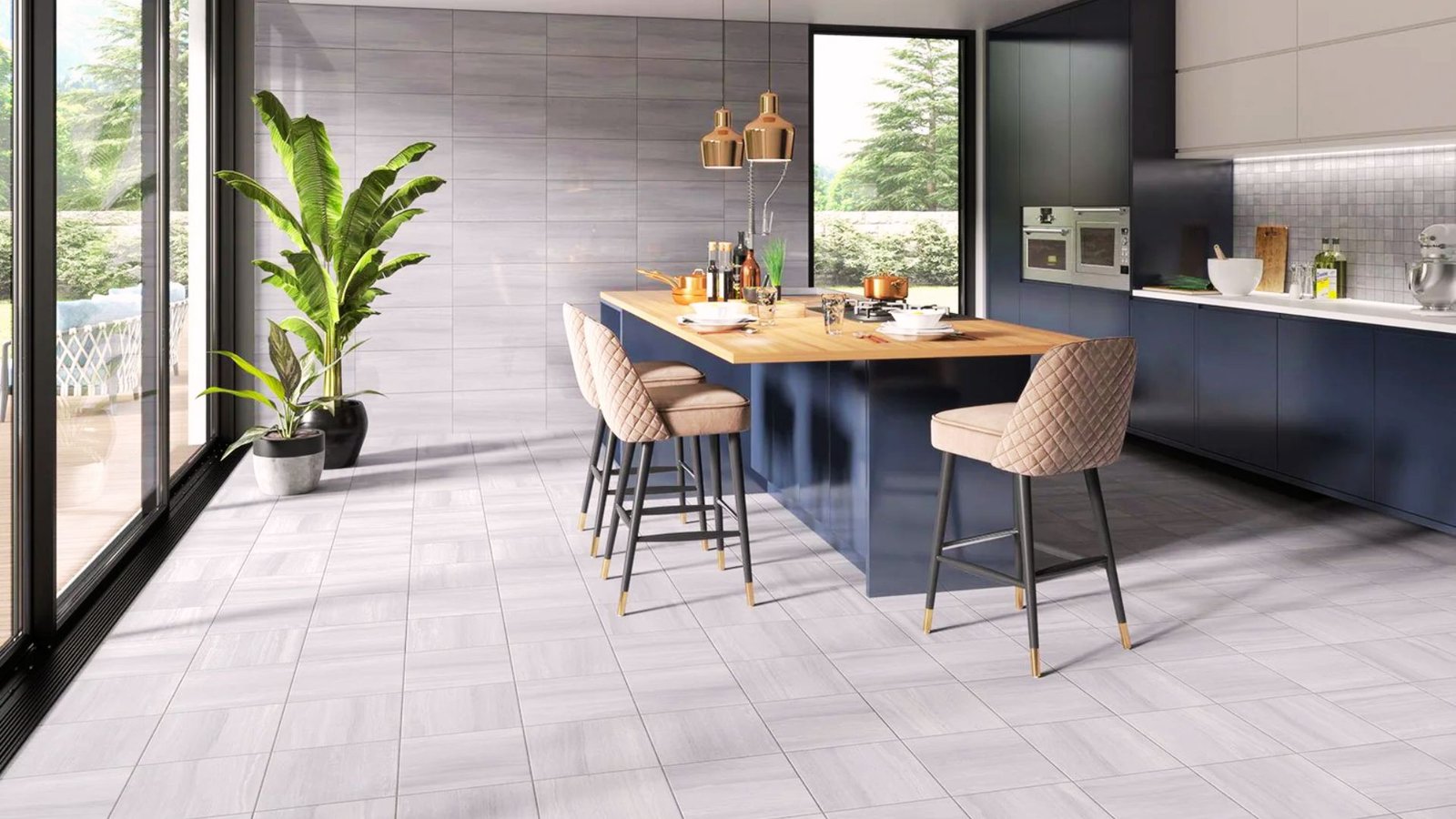
Matte porcelain does not show smudges or footprints the way glossy tile does. It also has a naturally non-slip surface, which is safer in a kitchen.
Porcelain is dense and hard, making it one of the most durable floor materials available. Soft grey and warm beige are the most popular color choices.
5. Modern Concrete Kitchen Floors

Poured concrete is seamless and very easy to wipe down. It suits modern and industrial kitchen styles well.
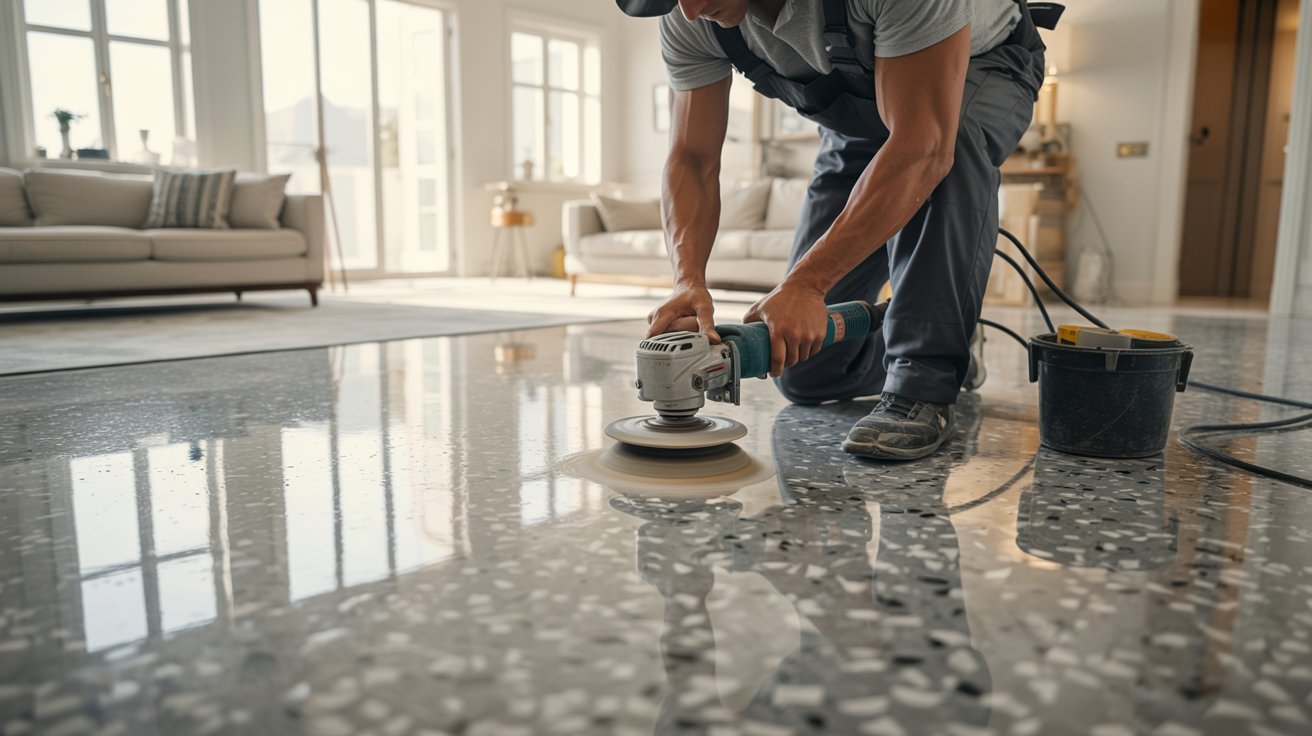
You can finish it with a light polish, a matte seal, or even a stain for added color. Place a cushioned mat near the sink or stove since concrete is hard on your feet.
6. Rustic Terra Cotta Tile Flooring

Terra cotta tiles are made from natural clay and come in warm red and orange tones. Each tile has slight color variations, which gives the floor a handmade quality.
Seal them before use to protect against staining and moisture. They look best in farmhouse, Spanish, and Mediterranean style kitchens.
7. Marble Look Porcelain Tile Floors

Porcelain tiles can closely mimic the look of real marble without the high cost or upkeep. They are non porous, so no sealing is needed, and they resist staining from food and drinks.
Large format tiles with subtle veining give the cleanest result. This look suits both modern and classic kitchen styles.
8. Grey Kitchen Floor Ideas With White Cabinets

Grey and white is a pairing that works in almost any kitchen. Light grey keeps the space feeling open, while dark grey adds depth and contrast.
This combo works in tile, LVP, hardwood, and concrete. Add wood accents like a butcher block countertop or wooden bar stools to warm the space up.
9. Natural Stone Kitchen Flooring

Slate, limestone, granite, and sandstone all bring a grounded, natural quality to a kitchen. The color variation in stone means scratches and wear blend in over time.
Installation and material costs are higher than most other options. Porous stones need sealing on a regular schedule to stay in good shape.
10. Farmhouse Reclaimed Wood Floors

Reclaimed wood comes from old structures and has a weathered, lived in look. This flooring fits farmhouse, rustic, and cottage style kitchens well.
Because the wood has already dried and aged, it tends to be more stable than newly milled wood. It is also a more planet friendly choice since no new timber is harvested.
11. Waterproof Sheet Vinyl Flooring

Sheet vinyl is installed as one continuous piece, so there are no seams for water to get through. This makes it one of the most moisture resistant floors you can put in a kitchen.
It is also one of the cheapest options available. Modern designs convincingly copy the look of wood, stone, and tile.
12. Large Format Tile Kitchen Floors

Tiles that are 24 inches or larger cut down on the number of grout lines in the room. Fewer grout lines means less scrubbing and a cleaner overall look.
The floor also feels more open and continuous. These tiles need a very flat subfloor, so professional installation is usually the way to go.
13. Coastal Whitewashed Wood Floors

Whitewashed wood has a pale, bleached finish that suits relaxed, coastal, and Scandinavian kitchens. The wood grain still shows through, giving it texture without heaviness.
It brightens up darker kitchens without going completely white. Pair it with blue and green accents for a light, breezy feel.
14. Black Kitchen Floor Ideas for Bold Spaces

A black floor is a strong design choice that makes lighter elements in the kitchen stand out. Matte black hides footprints and water spots better than polished black.
It works especially well with white or light grey cabinets. Keep the walls light and the lighting strong so the room does not feel too closed in.
15. Patterned Moroccan Tile Floors

Moroccan tiles use geometric patterns and rich colors to add a lot of personality to a kitchen. They work best in a small kitchen or as an accent in a specific zone, like under an island.
Keep cabinets, counters, and walls simple so the floor has room to stand out. This look suits eclectic and bohemian kitchen styles.
16. Minimalist Seamless Concrete Flooring

Microcement is a thin coating that goes over your existing floor to create a seamless, smooth finish. It is a good fit for minimal and Scandinavian kitchens where clean lines matter.
Color choices include off white, warm beige, pale grey, and deep charcoal. It is easy to maintain since there are no grout lines to clean.
17. Wood Look Porcelain Tile Floors
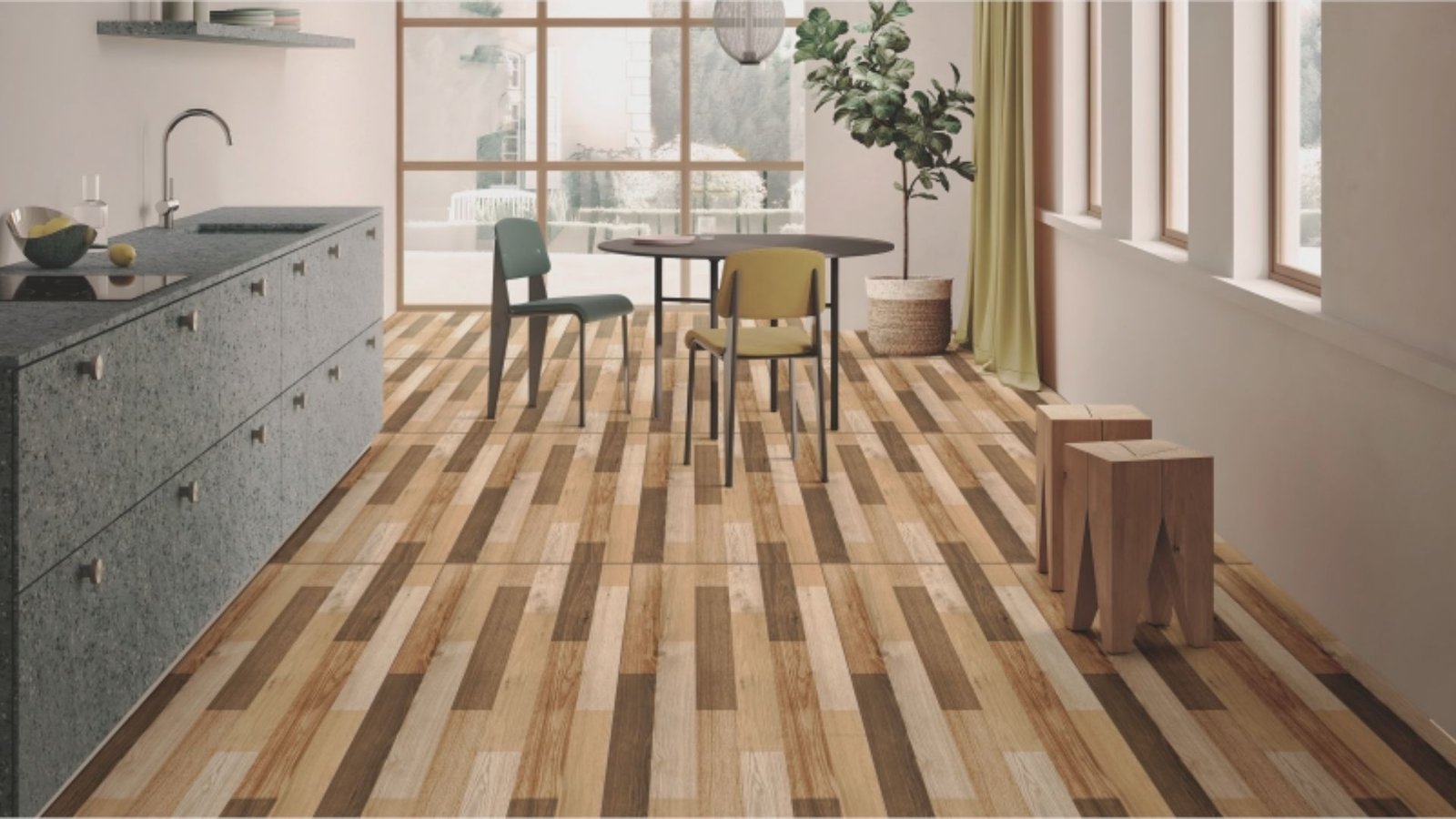
These tiles look like wood planks but are made from porcelain, so they handle moisture with no problems. They will not warp, swell, or buckle the way real wood can in a wet kitchen.
They come in plank shapes and a range of wood tones. A great option for kitchens with radiant underfloor heating.
18. Cheap Kitchen Floor Ideas With Laminate

Laminate is one of the most cost effective ways to get a wood look floor in a kitchen. Modern laminate uses better textures and printing than older versions, so it looks more convincing.
Look for water resistant laminate designed for kitchen use and clean up spills straight away. Installation is beginner friendly since most planks simply click together.
19. Luxury Epoxy Kitchen Floor Ideas

Epoxy is a resin coating applied over concrete to create a hard, seamless, glossy surface. You can customize it with metallic pigments, solid colors, or decorative flakes.
It reflects light well and is very easy to clean. Professional installation is required and the concrete subfloor needs to be properly prepared beforehand.
20. Travertine Tile Kitchen Floor Ideas
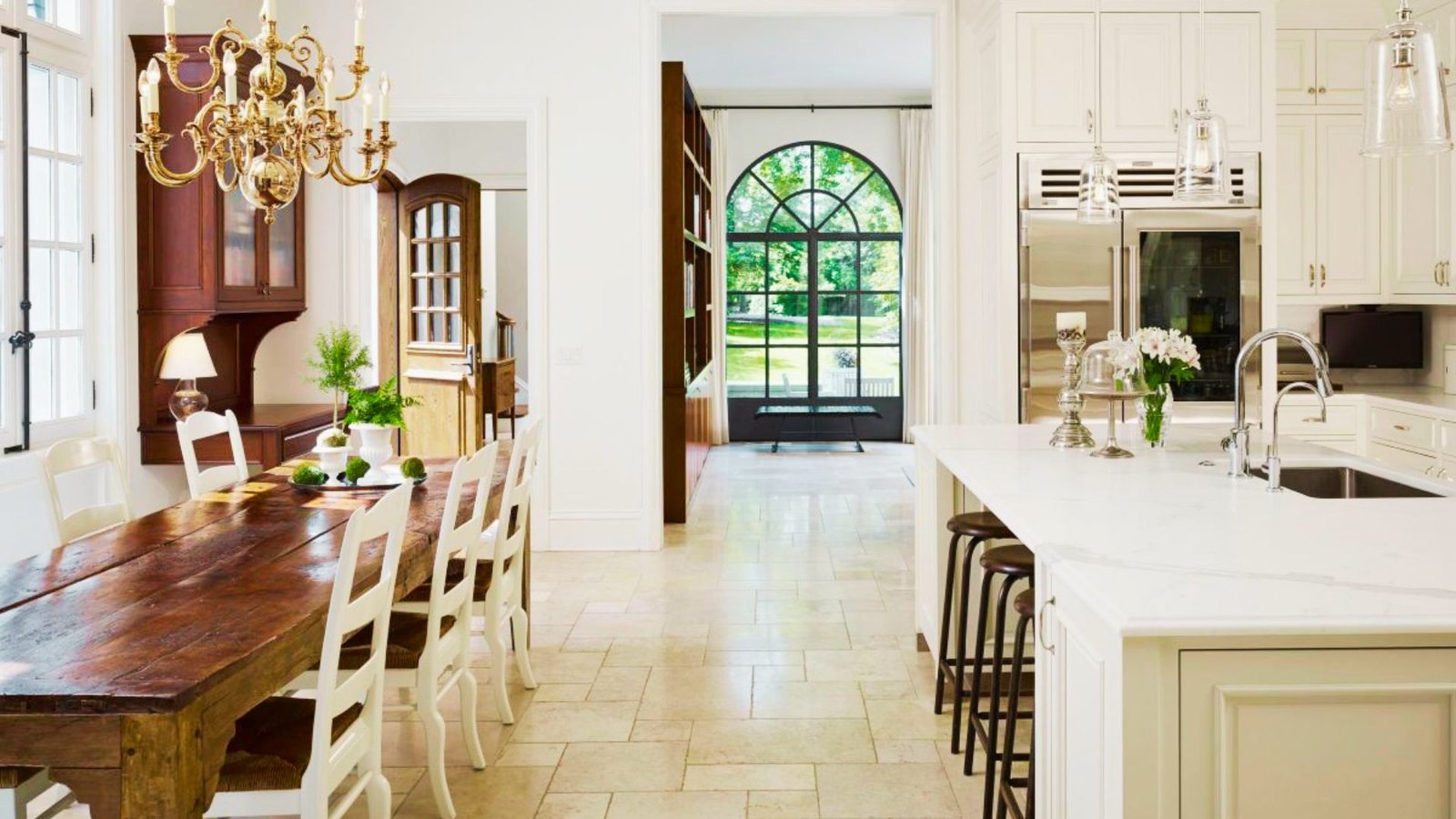
Travertine is a natural limestone with a warm, creamy color and a slightly pitted surface. Filled and honed travertine is smoother and easier to look after than the unfilled version.
It suits Mediterranean, Tuscan, and classic style kitchens. Like all natural stone, it needs sealing to resist staining.
21. Small Kitchen Floor Ideas With Light Tiles
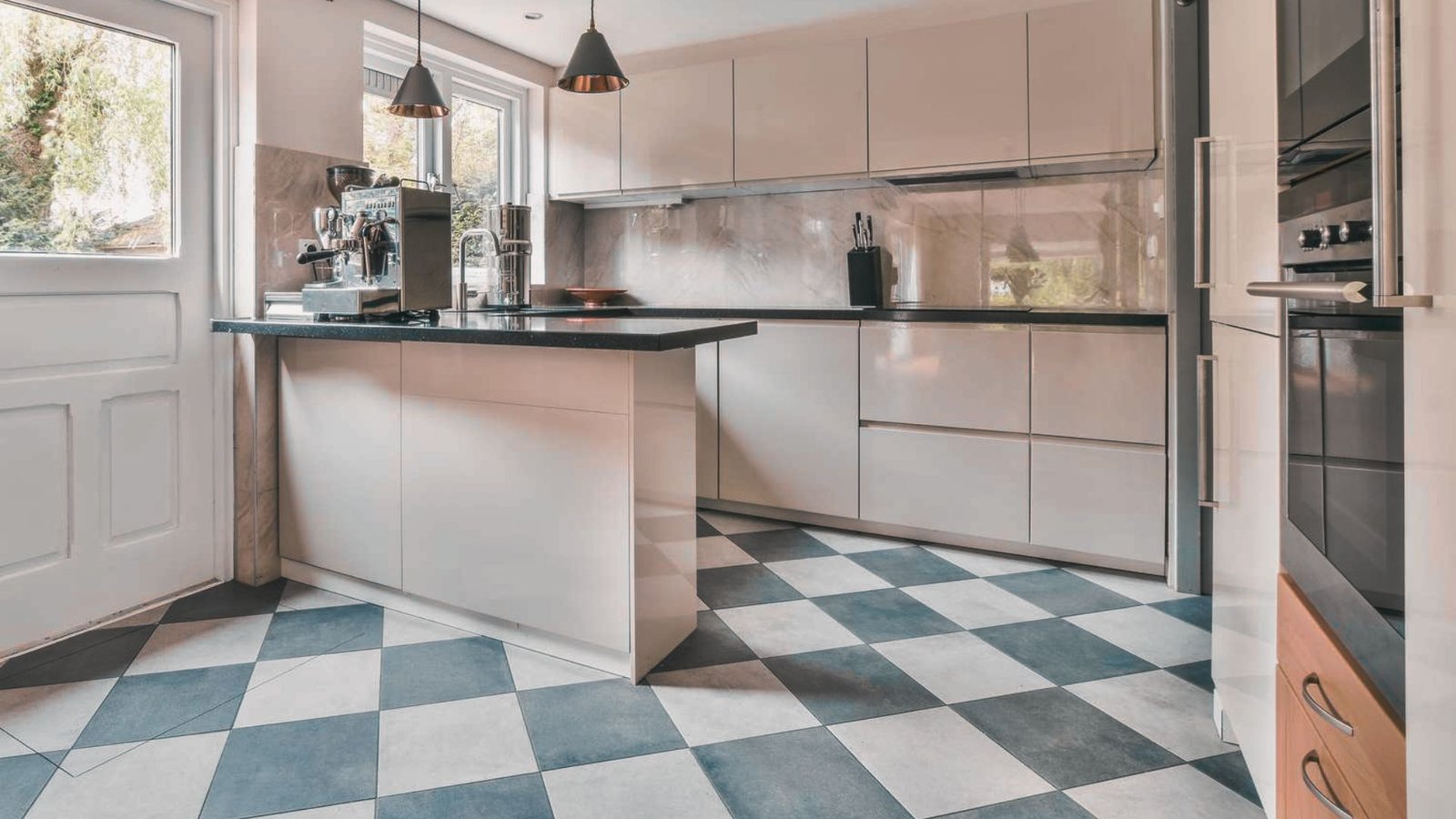
Light tiles reflect more natural and artificial light, which makes small kitchens feel more open. Larger tiles also help since fewer grout lines make the floor look less crowded.
Glossy finishes reflect even more light than matte tiles, which can be useful in a kitchen with few windows. Avoid very dark floors in small kitchens unless the lighting is very strong.
22. Textured Stone Look Flooring

Stone look tiles with a raised, textured surface add grip underfoot and are safer when the floor gets wet.
Porcelain and LVP versions are more practical than real stone since they cost less and need less upkeep.
The texture also adds depth to the floor, giving it a more natural appearance. This look pairs well with wood tones, linen textiles, and muted color palettes.
23. Neutral Beige and Taupe Kitchen Floors

Beige and taupe floors go with almost any cabinet or wall color, making them a low stress choice. These warm neutrals also do a good job of hiding everyday dirt between cleans.
You can find this tone in almost every flooring material. Add a darker counter or a bold backsplash to give the kitchen more contrast and life.
24. Rustic Brick Kitchen Flooring

Brick floors add texture and warmth to rustic and farmhouse style kitchens. Brick look porcelain tiles are lighter and easier to install than real clay brick pavers.
Real brick requires a strong subfloor since it is heavy. Seal the surface to prevent staining and make ongoing maintenance easier.
25. Sustainable Bamboo Kitchen Floors
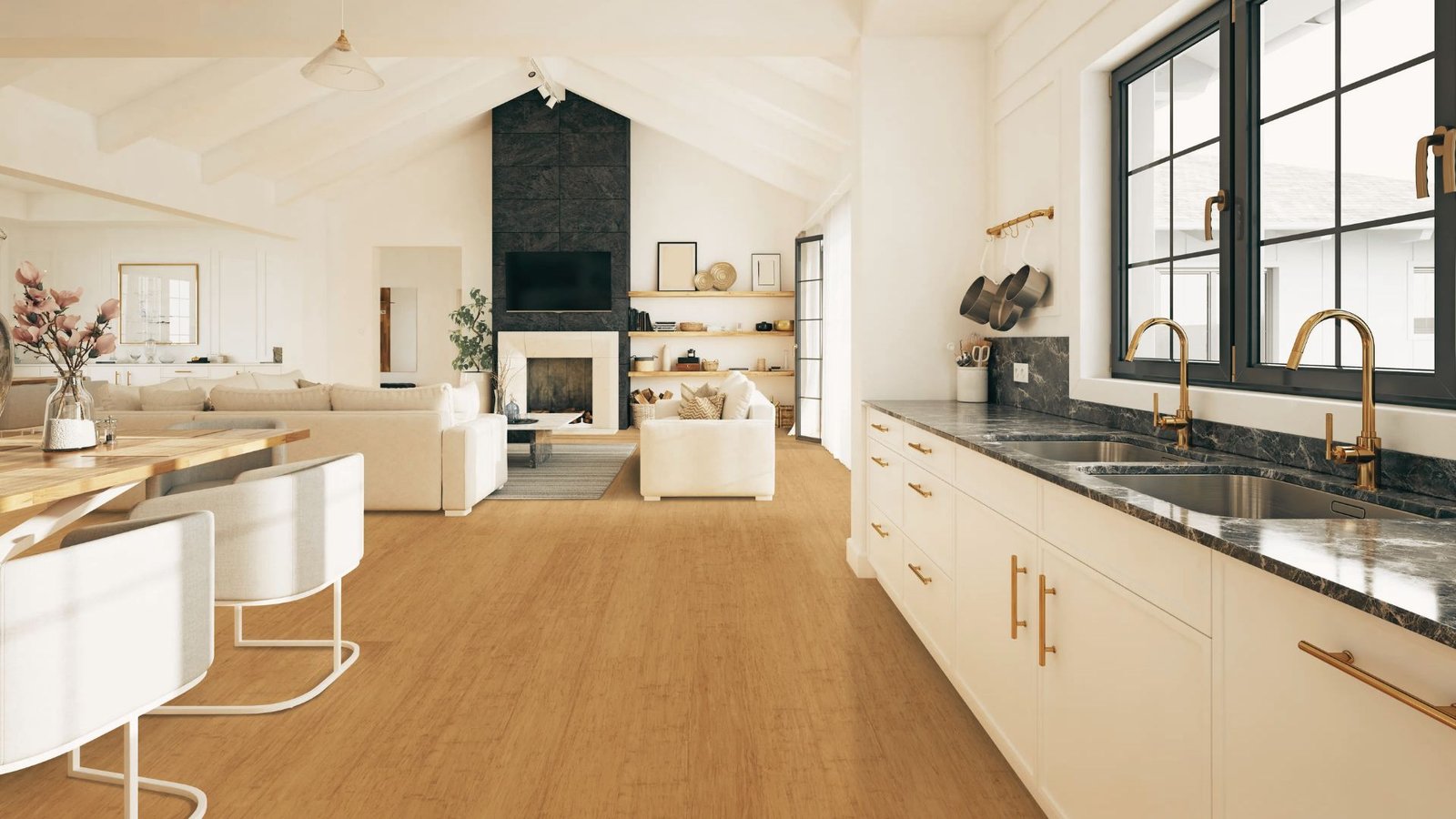
Bamboo is a rapidly renewable grass that makes a hard, durable floor. Strand woven bamboo is the toughest variety and holds up well under heavy foot traffic.
It can be sensitive to standing moisture, so clean up spills without delay. The clean, consistent grain suits modern and Scandinavian kitchen styles.
26. Cork Flooring for Comfortable Kitchens

Cork is soft and cushioned underfoot, which makes a noticeable difference when you spend long stretches standing in the kitchen. It is also naturally resistant to bacteria and mold.
The surface needs to be properly sealed to handle the moisture levels in a kitchen. Cork comes in tiles and planks across a wide range of colors.
27. Mixed Material Kitchen Floor Designs

Using two flooring materials in one kitchen can clearly separate different areas, like a cooking zone and a dining nook.
The two materials work best when they share a similar color temperature, either both warm or both cool.
A metal transition strip or a contrasting threshold joins them cleanly. This approach works especially well in open plan kitchens.
28. Chevron Pattern Wood Floors

Chevron creates a continuous V shape across the floor, giving it a strong sense of direction. Running the point across a narrow kitchen can make it feel wider.
This pattern is available in real wood and LVP. Precise cuts are required, so professional fitting gives the best result.
29. High Gloss Black Tile Flooring

High gloss black tiles are reflective and bold. They look best in a kitchen with strong, well placed lighting.
The downside is that every smudge and water spot shows clearly, so they need frequent wiping. Pair them with chrome fixtures and handle free cabinetry for the sharpest look.
30. Marmoleum Kitchen Floor Ideas

Marmoleum is a natural linoleum product made from linseed oil, wood flour, and jute. It is one of the most eco-friendly flooring options available, and it does not release harmful chemicals.
It is soft underfoot and naturally antimicrobial. It suits retro, mid century, and eco conscious kitchen designs.
31. Vintage Retro Checkerboard Floors

Retro checkerboard floors use softer color pairings than the classic black and white version. Common combinations include black and cream, olive and white, or pastel duos.
Vinyl tile is the easiest and most affordable material for this style. Individual tiles can be swapped out if one gets damaged, which makes repairs simple.
32. Modern Grey Tile Kitchen Floors
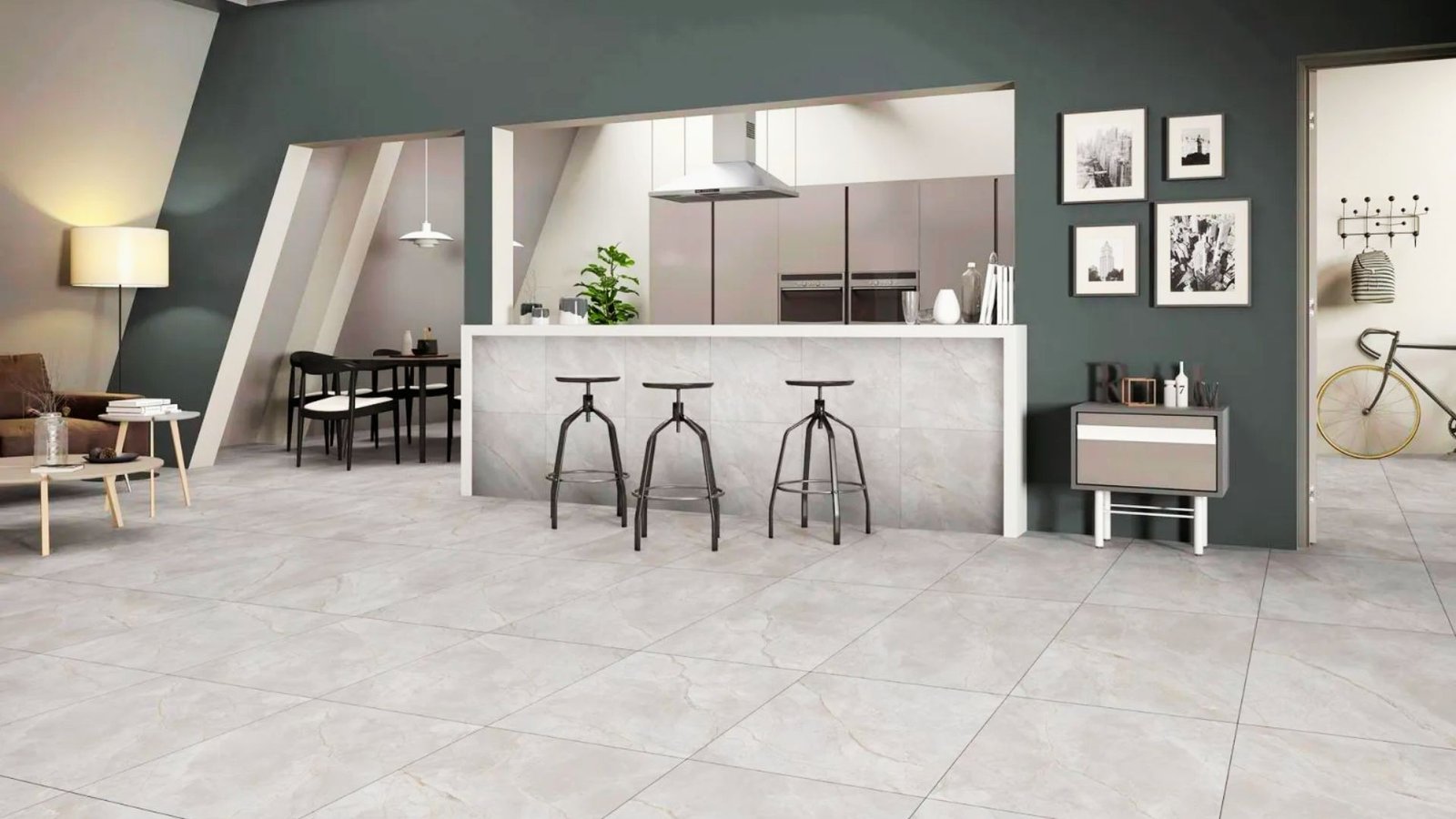
Grey tile is one of the most versatile flooring choices for a modern kitchen. Light grey keeps the room feeling open; dark charcoal adds weight and drama.
Smooth grey tile is the easiest to clean, while textured grey adds more visual depth. It works well with white, navy, and sage green cabinetry.
33. Wide Plank Engineered Hardwood Floors

Wide planks are at least five inches across and show off more of the natural wood grain.
Engineered hardwood is made with a real wood veneer over a plywood base, which makes it more stable than solid hardwood in a kitchen environment.
It can also be laid over radiant floor heating. Lighter tones like white oak, ash, and maple are the most popular choices for this style.
Final Tips Before Choosing Kitchen Flooring
Picking the right kitchen floor takes more than just liking how it looks. These quick tips help you make a smart, lasting choice.
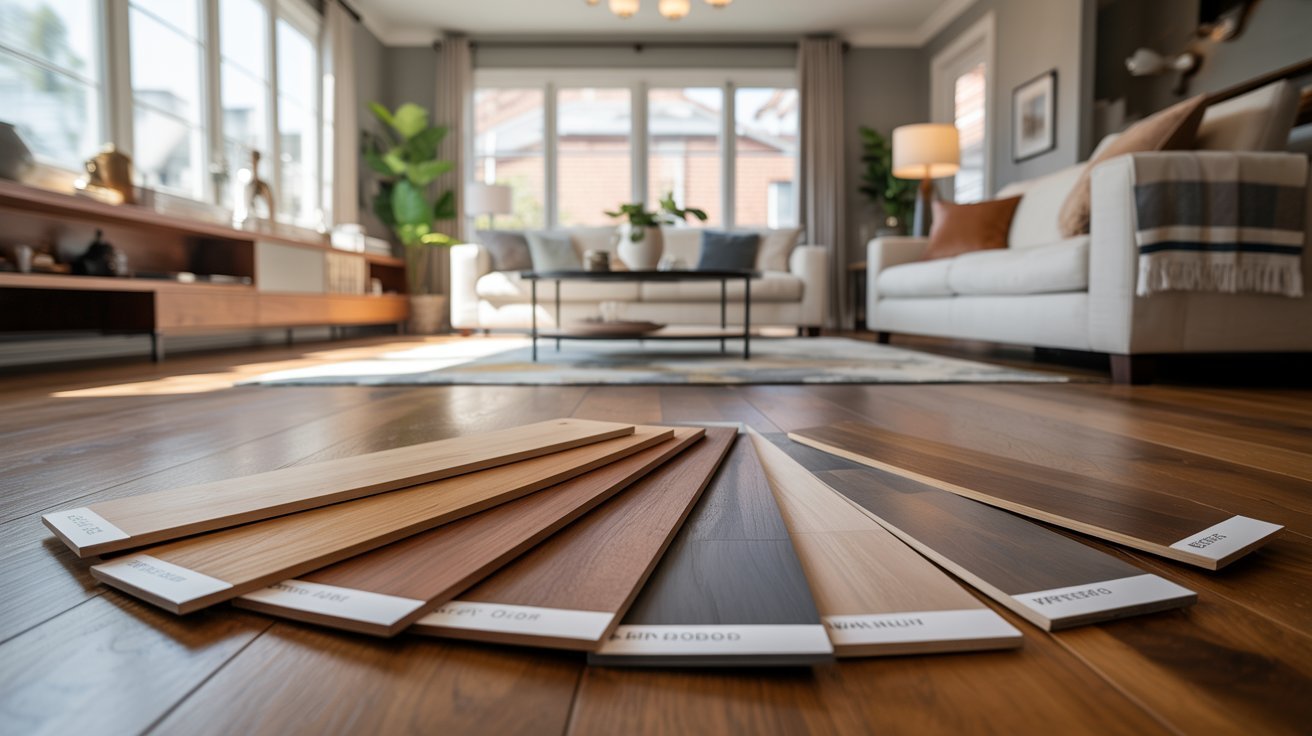
- Always get samples before you buy. Lay them on your floor and check how they look in different lighting before deciding.
- The price tag is not the full cost. Factor in how long the floor will last and what upkeep it needs over time.
- Add up installation costs, cleaning products, and possible repairs to get the real cost of each option.
- Some floors are easy to install yourself, but materials like stone or hardwood are better left to a pro to avoid costly mistakes.
- Think about who uses your kitchen daily. Pick a floor that handles foot traffic, spills, and mess without wearing down fast.
Conclusion
Choosing kitchen flooring can feel overwhelming, but once you walk into a space with the right floor underfoot, you just know. I always tell people to trust how it feels, not just how it looks.
Your kitchen is where life happens, so pick something that keeps up with you. Take your time, test your options, and go with what fits your home and your routine.
Found this helpful? Drop a comment below or share it with someone planning a kitchen makeover!
Frequently Asked Questions
What is the best flooring option for a busy kitchen?
Vinyl and ceramic tile work well in high traffic kitchens. They are tough, water resistant, and easy to clean after daily use.
How long does kitchen flooring usually last?
Most kitchen floors last anywhere from 10 to 25 years depending on the material. Regular cleaning and basic care can stretch that lifespan even further.
Is it cheaper to install kitchen flooring yourself?
DIY installation can save money on labor costs, but only if you have the right tools and experience. For complex materials, hiring a pro often saves more money in the long run.
How do I pick the right color for my kitchen floor?
Test samples in your kitchen and see how they look in both natural and artificial light. Choose a color that works with your cabinets and walls without showing every bit of dirt.
How do I keep my kitchen floor in good shape over time?
Sweep or vacuum regularly and clean up spills as soon as they happen. Avoid harsh chemicals and use the cleaning method recommended for your specific floor type.