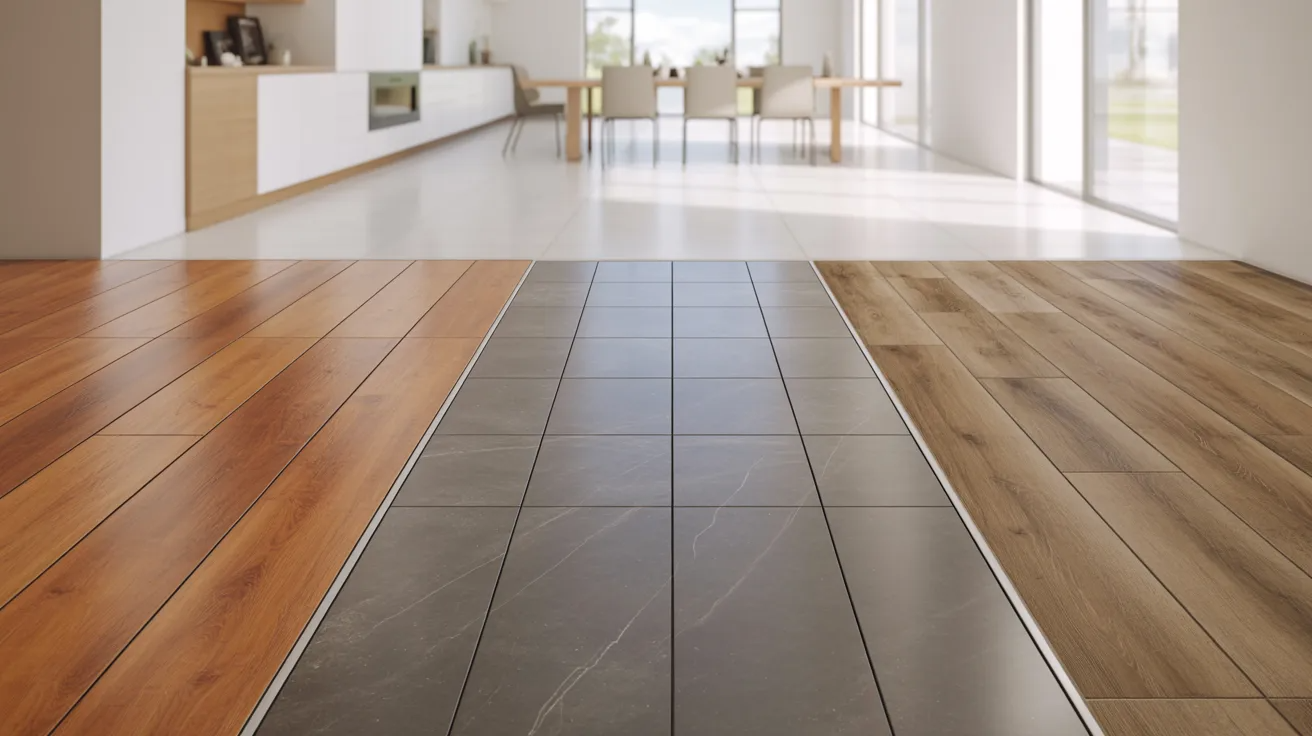

Floors go through a lot every single day. Spills, pet claws, muddy shoes, and dropped items all leave their mark. Finding flooring that handles everything without looking worn out is harder than it sounds. Most guides just throw a product list at you and call it done.
This guide is different. We will walk you through the best waterproof and scratch resistant flooring options, what actually makes them durable, and which one fits your home and lifestyle.
Whether you have kids, pets, or simply want floors that last, we have done the research so you don't have to. With years of hands-on flooring comparisons, you can trust what you find here.
Why Waterproof and Scratch Resistant Flooring Matters

Water and scratch resistant flooring is important for busy homes. Daily life brings spills, pet claws, moving furniture, wet shoes, and kids playing on the floor.
These things can quickly damage weak flooring materials. Choosing a durable floor helps prevent scratches, stains, swelling, and early wear. Strong flooring also keeps its appearance longer and needs fewer repairs over time.
This makes it a smart choice for kitchens, bathrooms, living rooms, basements, and entryways. Investing in the right flooring from the start can save money and reduce maintenance later.
A floor that stands up well to moisture and heavy use gives better long term value and keeps your home looking clean and well maintained.
Top Flooring Types That Are Waterproof and Scratch Resistant
Here is a closer look at the best flooring options that offer both waterproof and scratch resistant features for everyday home use.
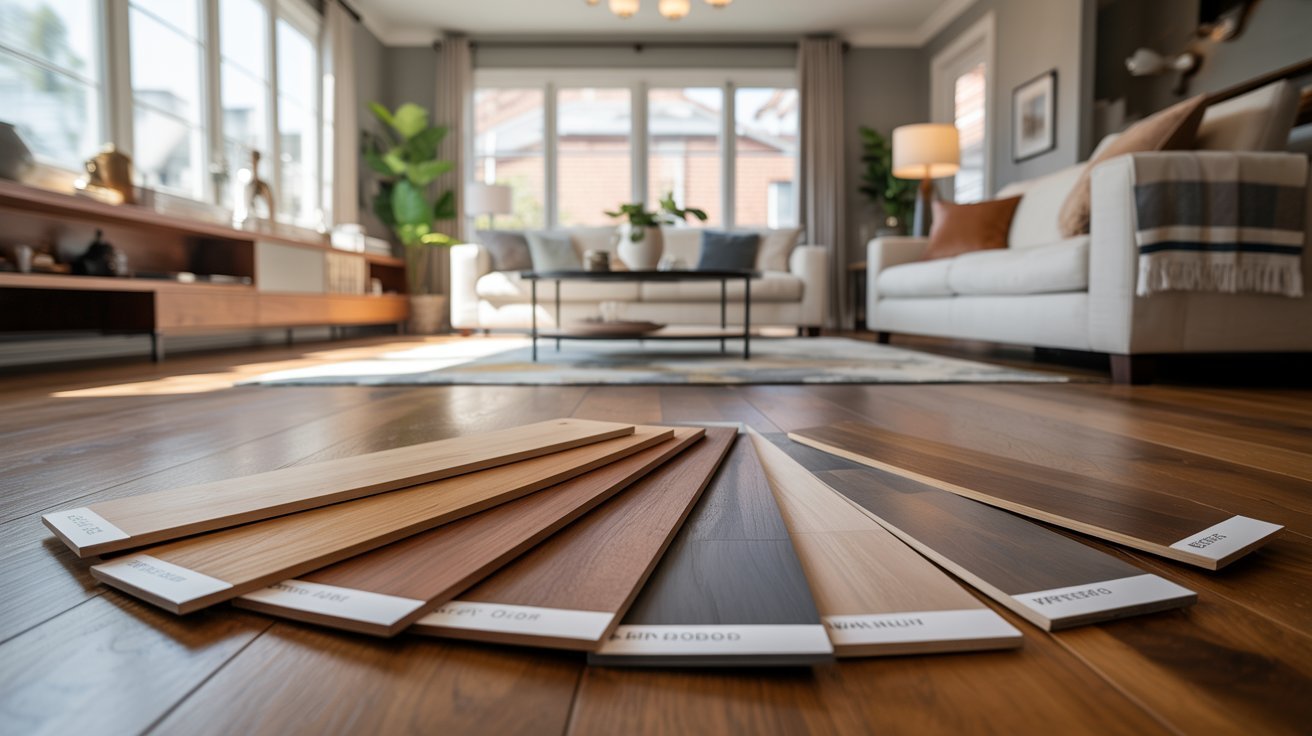
1. Luxury Vinyl Plank (LVP) Flooring

LVP is made from multiple layers of PVC vinyl. It has a rigid or flexible core, a printed wood-look layer, and a tough wear layer on top. It looks like real wood but performs much better in wet conditions.
LVP is 100% waterproof from top to bottom and with a wear layer of 12 mil or more, it handles scratches from pets, furniture, and daily foot traffic without breaking a sweat.
Pros: Fully waterproof. Looks like real wood. Comfortable underfoot. Easy to install.
Cons: Can fade in direct sunlight. Not as hard as tile.
Best for: High-traffic areas, kitchens, basements.
2. Luxury Vinyl Tile (LVT) Flooring

LVT is the tile-shaped version of LVP. It mimics the look of stone or ceramic tile without the cold, hard feel underfoot. It is fully waterproof and holds up very well in damp conditions.
If you want the look of tile with a softer feel and a lower price, LVT is a great option worth considering.
Pros: 100% waterproof. Softer feel than real tile. Wide design options. Budget-friendly.
Cons: Can be damaged by very heavy objects. Not as hard as porcelain.
Best for: Bathrooms, laundry rooms.
3. Porcelain and Ceramic Tile
Porcelain and ceramic tile are fired at very high heat, which makes them naturally waterproof. Water simply sits on the surface and does not absorb in at all.
Porcelain is one of the hardest flooring materials available and scores very high on scratch resistance. It can handle heavy use for decades without showing much wear.
Pros: Very hard and durable. Completely waterproof. Easy to clean. Long lifespan.
Cons: Cold and hard underfoot. Grout lines can stain. Harder to install.
Best for: Bathrooms, mudrooms, entryways.
4. Stone Plastic Composite (SPC) Flooring
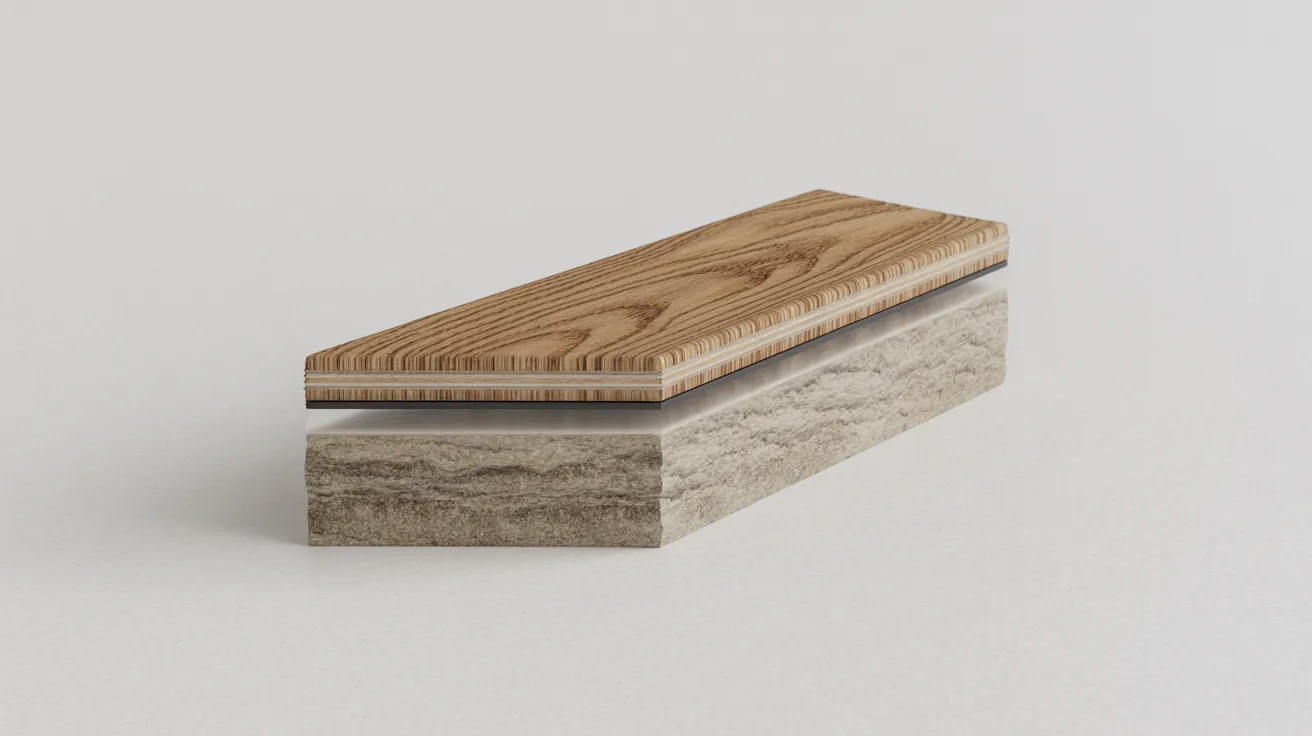
SPC has a core made from limestone powder and PVC. This makes it much more rigid and stable than standard vinyl flooring.
It does not expand or contract much with temperature changes, which makes it a strong choice for basements and spaces with shifting conditions.
The dense core also makes it fully waterproof throughout the entire plank, not just on the surface.
Pros: Extremely durable. 100% waterproof. Handles heavy foot traffic. Great scratch resistance.
Cons: Harder underfoot than WPC. Heavier to handle during install.
Best for: Homes with pets and kids.
5. WPC (Wood Plastic Composite) Flooring

WPC has a foamed core that makes it softer and warmer underfoot compared to SPC. It still has a fully waterproof core but offers more cushion and comfort.
The foamed core also absorbs sound well, making it a good pick for upstairs rooms or apartments where noise matters.
Pros: Comfortable underfoot. Waterproof core. Good sound absorption. Looks great.
Cons: Less dense than SPC. Can dent under very heavy furniture.
Best for: Living rooms, bedrooms.
6. Laminate Flooring (Waterproof Variants)

The old laminate was not waterproof at all. The new waterproof laminate uses sealed edges and a water-resistant core to handle spills much better than older versions.
However, it still cannot handle prolonged water exposure the way LVP or tile can. Where laminate truly shines is scratch resistance.
Its hard top layer holds up very well against pet nails and furniture movement, often outperforming vinyl in that area.
Pros: Very scratch resistant. Looks like real wood. Budget-friendly. Easy to install.
Cons: Not fully waterproof. Cannot be refinished.
Best for: Budget-conscious homeowners in lower-moisture areas.
7. Engineered Hardwood Flooring
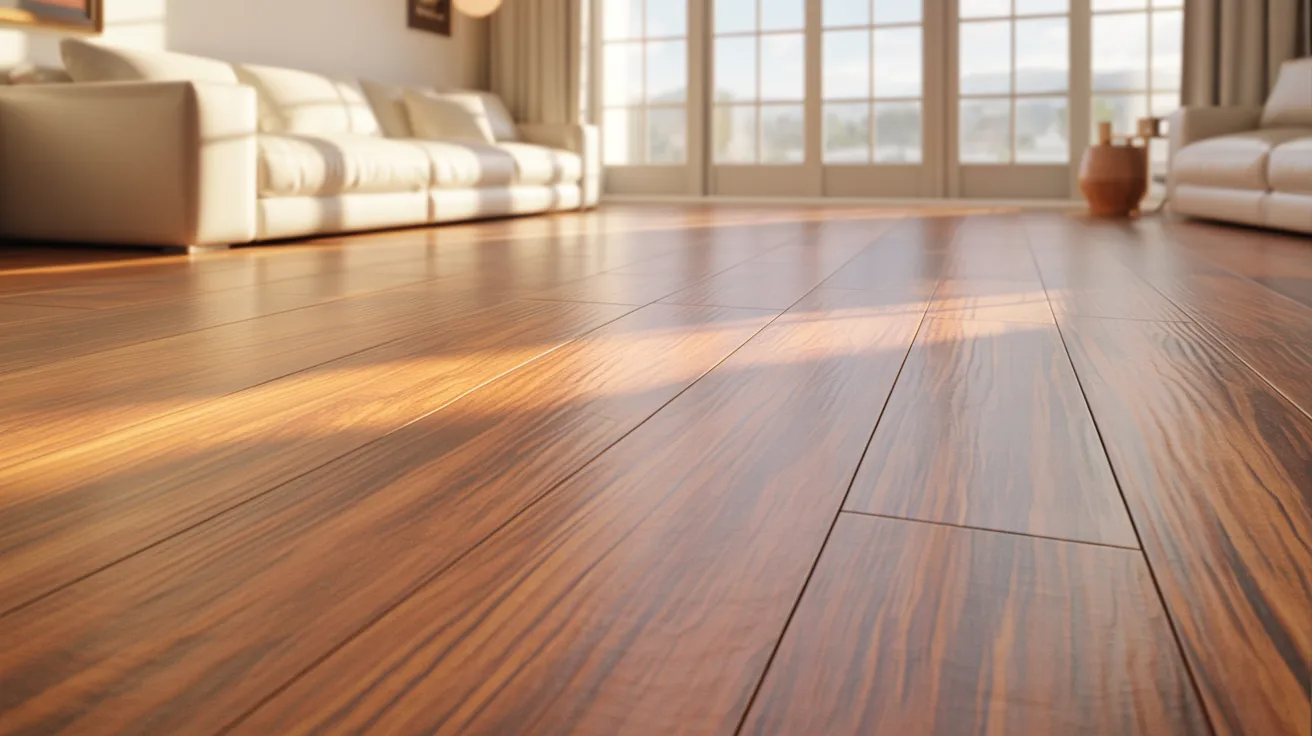
Solid hardwood absorbs moisture easily and can warp, swell, and crack when exposed to water. Engineered hardwood is a smarter option.
It has a real wood top layer bonded to layers of plywood, making it more stable and slightly more water resistant than solid wood.
Many options also come with aluminum oxide finish coatings that add a strong layer of scratch protection and extend the life of the floor.
Pros: Real wood look and feel. More stable than solid hardwood. Can be refinished once or twice. Good scratch resistance with coating.
Cons: Not fully waterproof. Costs more than vinyl options.
Best for: Living areas with moderate moisture.
Key Features to Look for Before You Buy
Before spending money on new flooring, pay attention to these key features. They make a real difference in how long your floor holds up.
- Wear layer thickness: For pet and kid-friendly homes, look for at least 12 mil. Light traffic areas can get by with 6 to 8 mil. The thicker the wear layer, the longer your floor will stay looking new.
- Core type: SPC cores offer the most rigidity and waterproof protection. WPC cores are softer and more comfortable. Match your core type to the room and how much traffic it gets.
- AC rating: AC3 works well for regular home use. AC4 is a better pick for busy households with kids or pets. Always check this before buying.
- Warranty: Look for at least 15 to 25 years of residential coverage. Make sure it covers both water and scratch damage, not just one or the other.
- Installation method: Click-lock floors are the easiest for DIY installs. Floating floors also work without glue. Glue-down options are best left to professionals.
Best Flooring by Room
The right floor depends a lot on where it is going. Here is a quick room-by-room breakdown.
Kitchens

LVP and porcelain tile are the top picks. Both are fully waterproof and easy to clean. LVP is softer underfoot, which helps during long hours of cooking and standing.
Bathrooms

Go with porcelain tile or LVT. They handle humidity, splashes, and standing water without any issues. Avoid laminate and engineered hardwood in bathrooms entirely.
Living rooms

WPC vinyl and engineered hardwood both work well here. They offer a warm, wood-like look with solid scratch resistance. SPC is also a strong pick if you have pets or active kids.
Basements

SPC is the best choice for basements. Its rigid core resists moisture from both above and below. Avoid solid hardwood and standard laminate in below-grade spaces.
Homes with Pets

SPC or LVP with a 20 mil wear layer are the top options. They resist scratches from claws and are easy to clean after accidents. Textured surfaces help hide light scratches over time.
Cost Breakdown

Click-lock LVP and SPC are the easiest to install yourself and can save $2 to $4 per square foot on labor. Tile usually needs a professional.
| Flooring Type | Cost Per Sq Ft |
|---|---|
| LVP / LVT | $2 to $7 |
| SPC | $3 to $8 |
| WPC | $3 to $9 |
| Porcelain Tile | $3 to $10 |
| Waterproof Laminate | $2 to $6 |
| Engineered Hardwood | $4 to $12 |
Always budget extra for underlayment, transition strips, and removing your old floor. These hidden costs are often left out of initial quotes and can add up quickly.
Our Top Pick
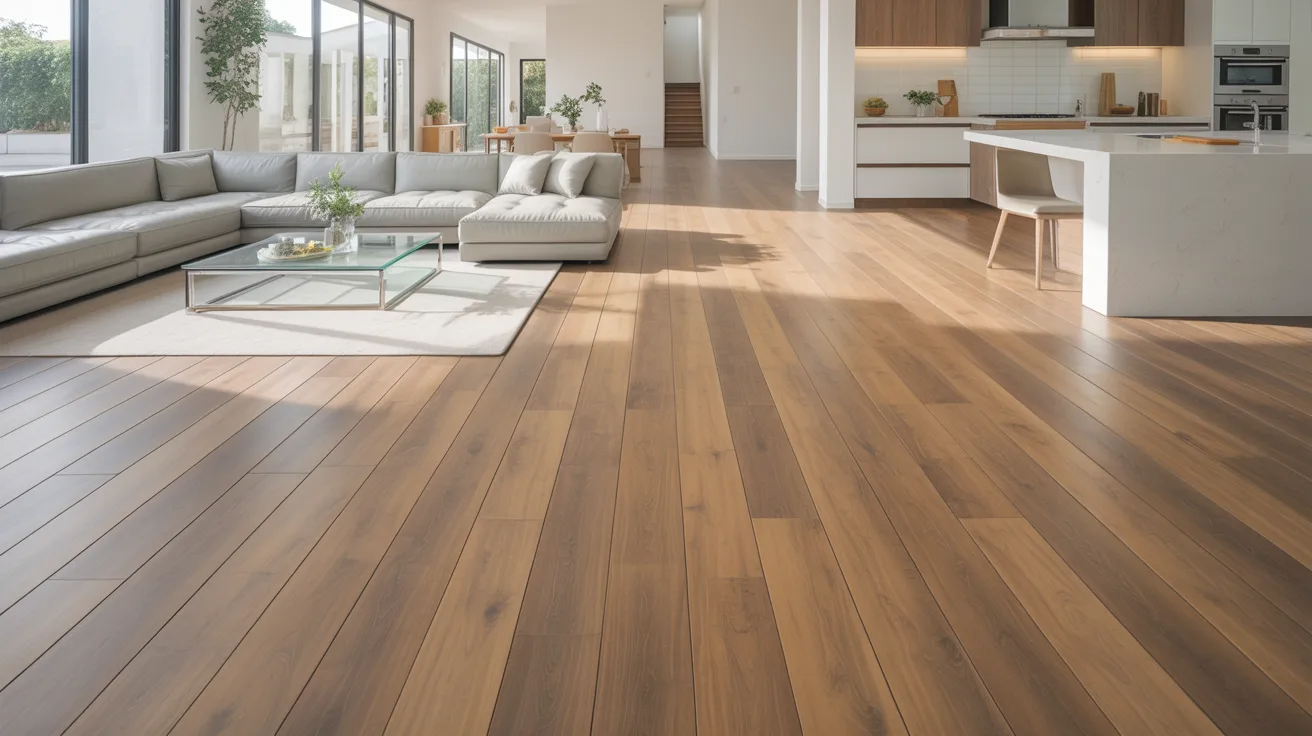
After comparing all the options, LVP and SPC stand out as the best overall choices for most homes. They are fully waterproof, scratch resistant, comfortable to walk on, and reasonably priced.
They work in almost every room and can last 15 to 25 years with basic care.
If you want the absolute hardest surface, go with porcelain tile. For buyers on a tighter budget, waterproof laminate is a solid option as long as it stays out of high-moisture areas.
Conclusion
Picking the right floor does not have to be overwhelming. When I helped a friend redo her kitchen, we spent weeks going back and forth before landing on SPC.
It has handled spills, a dog, and two kids without showing a single scratch. Start by thinking about your room, your budget, and how much traffic it gets daily.
The best waterproof scratch resistant flooring is simply the one that fits your life best. Found this helpful? Share it with someone planning a renovation or drop your questions in the comments below.
Frequently Asked Questions
What is the most scratch resistant waterproof flooring available?
SPC and porcelain tile are the top options. SPC handles pet claws and daily traffic very well, while porcelain tile is nearly impossible to scratch under normal home conditions.
Can waterproof flooring handle pet urine and accidents?
Yes. LVP and SPC can handle pet accidents without absorbing moisture into the core. Clean up spills quickly to prevent odor from building up and to protect the subfloor underneath.
Is waterproof flooring a good choice for basements?
Yes. SPC and LVP resist moisture from both above and below, making them far more reliable than laminate or hardwood in below-grade spaces where humidity is often a concern.
How long does waterproof scratch resistant flooring last?
With proper care, LVP and SPC can last 15 to 25 years or more. Porcelain tile can last 50 years or longer depending on how well it is maintained over time.
Is it worth paying more for a thicker wear layer?
Yes, especially in homes with kids, pets, or high foot traffic. A thicker wear layer means better protection and a longer floor life. The extra cost upfront will save you money on repairs and replacements later.