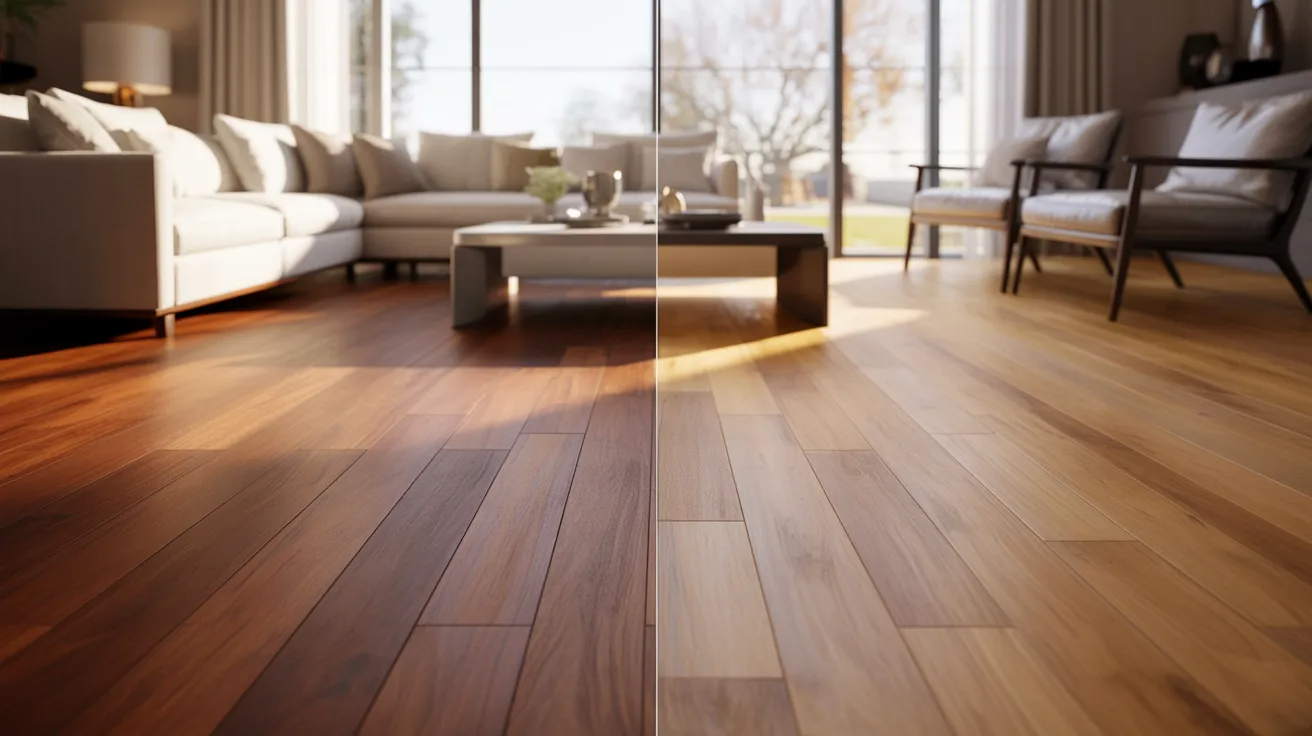

Choosing between matte and satin hardwood floors can feel confusing. Both look great. But they behave very differently in a real home.
I've helped many homeowners work through this exact decision. And I know how much it matters to get it right.
In this article, I'll walk you through how each finish looks, which one lasts longer, and which is easier to clean. I'll also help you figure out which finish actually fits your home and lifestyle.
No jargon. No fluff. Just clear, honest comparisons.
Whether you have kids, pets, or simply want floors that stay sharp this guide has everything you need.
What Is a Matte Finish?

A matte finish is a non-shiny surface coating that reduces glare and gives products a smooth, flat look.
A matte finish is a surface coating with little to no shine. It works by scattering light instead of reflecting it, which removes glare and gives a flat appearance.
You can find it on wall paint, car wraps, phone cases, packaging, and more. It is popular because it hides fingerprints and small imperfections well.
The only downside is that matte surfaces can be harder to clean. They absorb dirt more easily than glossy finishes do.
Overall, a matte finish is a simple and clean-looking option for both practical and decorative use.
What Is a Satin Finish?
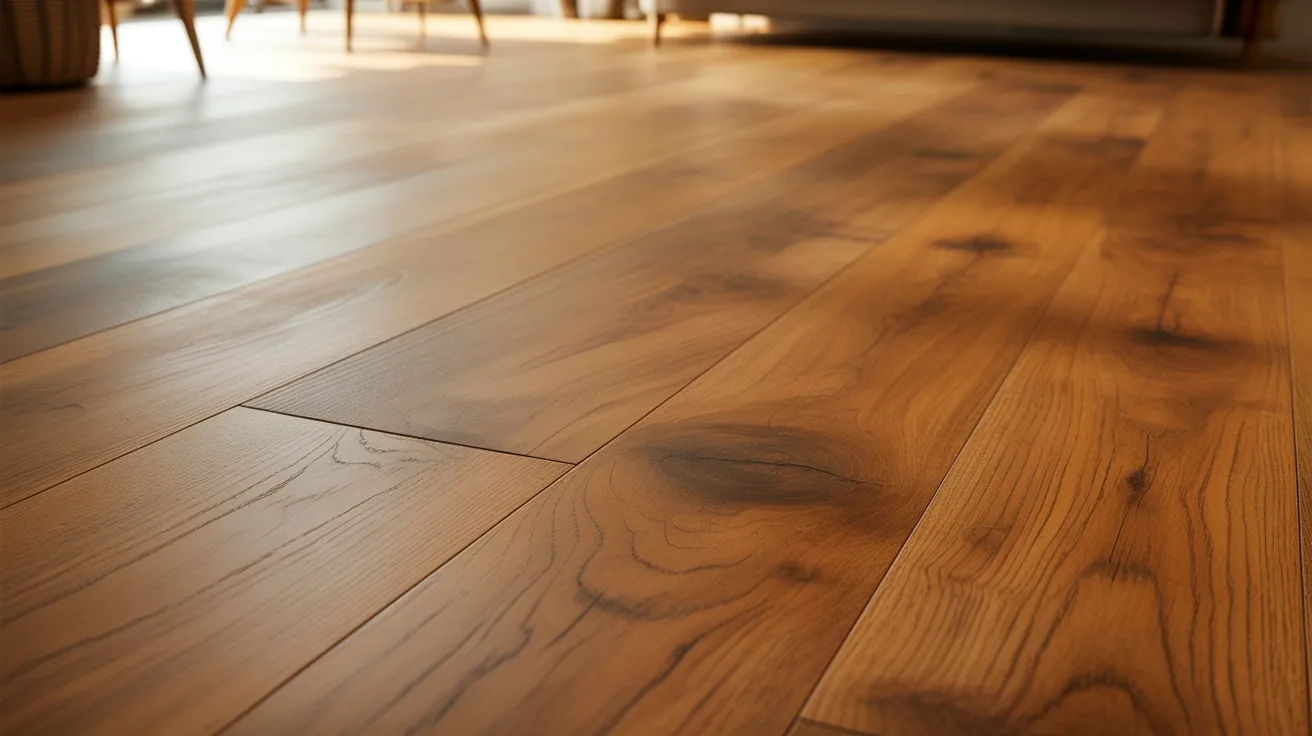
A satin finish sits between glossy and matte, giving surfaces a soft, low-shine look that feels smooth to the touch.
Satin finish is a surface coating that reflects light in a gentle, even way. It is not too shiny and not completely flat. This makes it a popular choice for walls, furniture, and nail polish.
The finish gets its name from satin fabric, which has that same soft glow. When light hits a satin surface, it bounces off softly instead of creating a sharp glare like gloss does.
It has a slight sheen that looks clean and neat without being too reflective. It also hides small surface flaws better than a high-gloss finish.
Satin is easy to clean and holds up well in areas with regular use. It does not show fingerprints as easily as gloss and lasts longer than matte in high-touch spots.
It works on walls, cabinets, furniture, wood trims, and metal fixtures. It gives a clean, finished look without going overboard on shine.
Appearance Differences

Matte and satin floors have clear visual differences. Knowing what each one looks like helps you pick the right fit for your home.
How Matte Floors Look
Matte floors have a flat, non-reflective surface. They absorb light and show off the natural grain and texture of the wood. The look feels raw, warm, and grounded.
These floors suit casual and rustic spaces well. They keep things simple without any shine or glare.
How Satin Floors Look
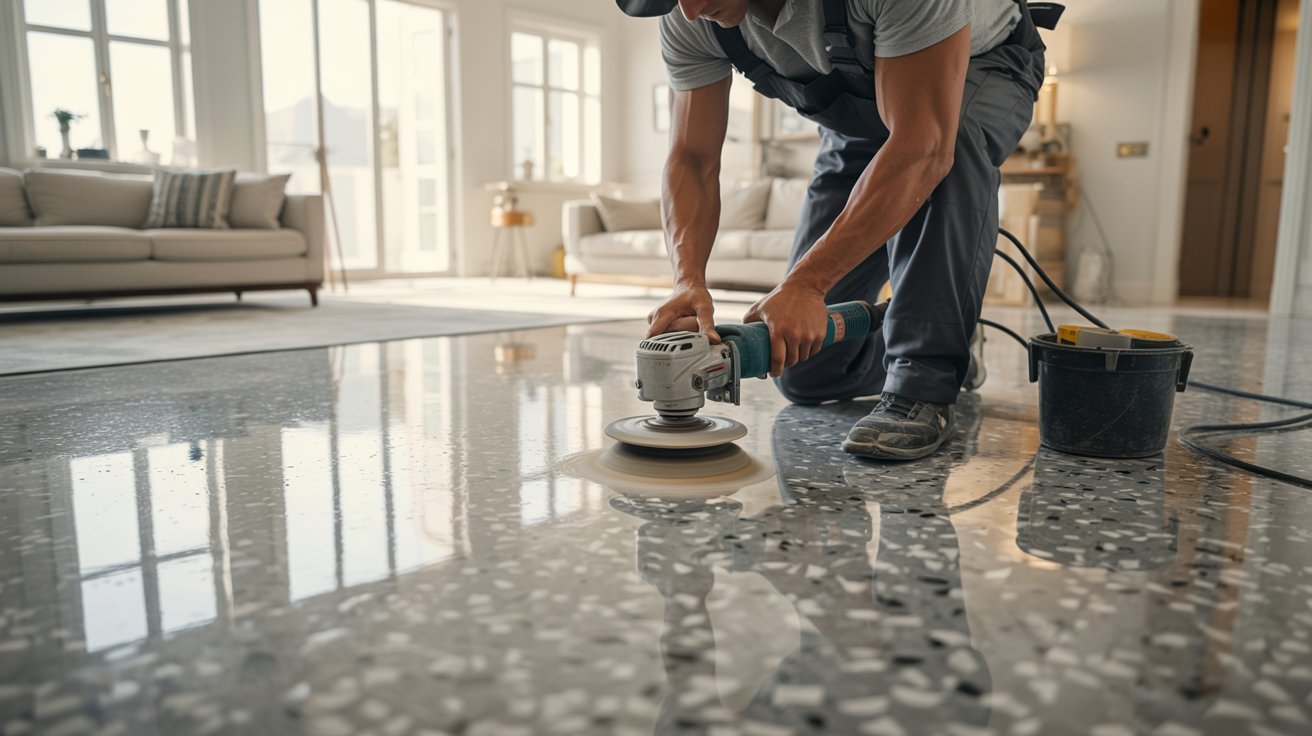
Satin floors have a soft, low-level sheen. They catch light gently and give the floor a clean, smooth appearance. Colors look slightly brighter than on a matte finish.
This finish works well in most room styles. It adds a polished feel without looking too glossy.
Durability and Scratch Resistance

Knowing how different finishes hold up to daily wear helps you make a smarter choice for your floors.
Which Finish Hides Scratches Better?
Matte and satin finishes are better at hiding scratches. They reflect less light, so small marks are harder to notice.
Gloss finishes show scratches more easily. The shine catches light and makes even minor scuffs stand out.
Satin is a good middle ground. It has a soft sheen without making every scratch visible.
Best Option for High-Traffic Homes
For busy homes with kids or pets, matte or satin finishes work best. They do not show wear as quickly.
Oil-based finishes are harder and more durable over time. They handle heavy foot traffic well.
Water-based finishes dry faster and also hold up well in high-use areas like hallways and kitchens.
Cleaning and Maintenance

Good floor care keeps your floors looking fresh and lasting longer.
Matte Floor Maintenance
Matte floors need gentle care to keep their flat, non-reflective look.
Daily Care Sweep or vacuum daily using a soft broom or vacuum without a beater bar.
Mopping Use a damp microfiber mop. Too much water can damage the surface over time.
Cleaning Products Use a pH-neutral cleaner. Avoid wax or oil-based products as they leave a shiny residue.
For tough stains, use mild soap and warm water with a soft cloth.
Satin Floor Maintenance
Satin floors have a soft, low-shine finish that is fairly easy to care for.
Daily Care Sweep or vacuum regularly with a soft attachment to remove dirt and debris.
Mopping Use a lightly damp mop. Wring it out well before use to prevent water damage.
Cleaning Products Choose a cleaner made for satin or low-gloss finishes. Avoid bleach or harsh chemicals.
Spills Clean spills fast. For dried stains, use a soft cloth with a mild cleaner in gentle circular motions.
Pros and Cons of Matte

Matte finishes have their own strengths and weaknesses. Here is what you should know before choosing one.
The Pros of Matte
- Hides Fingerprints and Smudges: Matte surfaces do not show fingerprints as easily as glossy ones. This makes them a good pick for phones, laptops, and kitchen appliances that you touch often.
- Low Glare and Easy on the Eyes: Matte finishes reduce light reflection. This is helpful for screens, walls, and surfaces placed near windows or bright lights.
- Looks Clean and Understated: Matte has a flat, smooth look that feels calm and modern. It works well in bedrooms, offices, and minimalist spaces.
- Good for Hiding Surface Flaws: Small scratches, uneven textures, or minor wall imperfections are less visible under a matte finish. It forgives a lot.
The Cons of Matte
- Harder to Clean: Matte surfaces can trap dirt and stains. Scrubbing too hard may damage the finish or leave shiny patches behind.
- Less Durable in High-Traffic Areas: Matte paint or coatings wear down faster in spots with heavy use, like hallways or kitchen walls.
- Lacks Depth and Shine: Some people find matte too flat. It does not reflect light, so it can make a space feel less lively compared to gloss or satin.
- Can Look Dull Over Time: Without proper care, matte finishes can start to look faded or worn faster than other finishes.
Pros and Cons of Satin
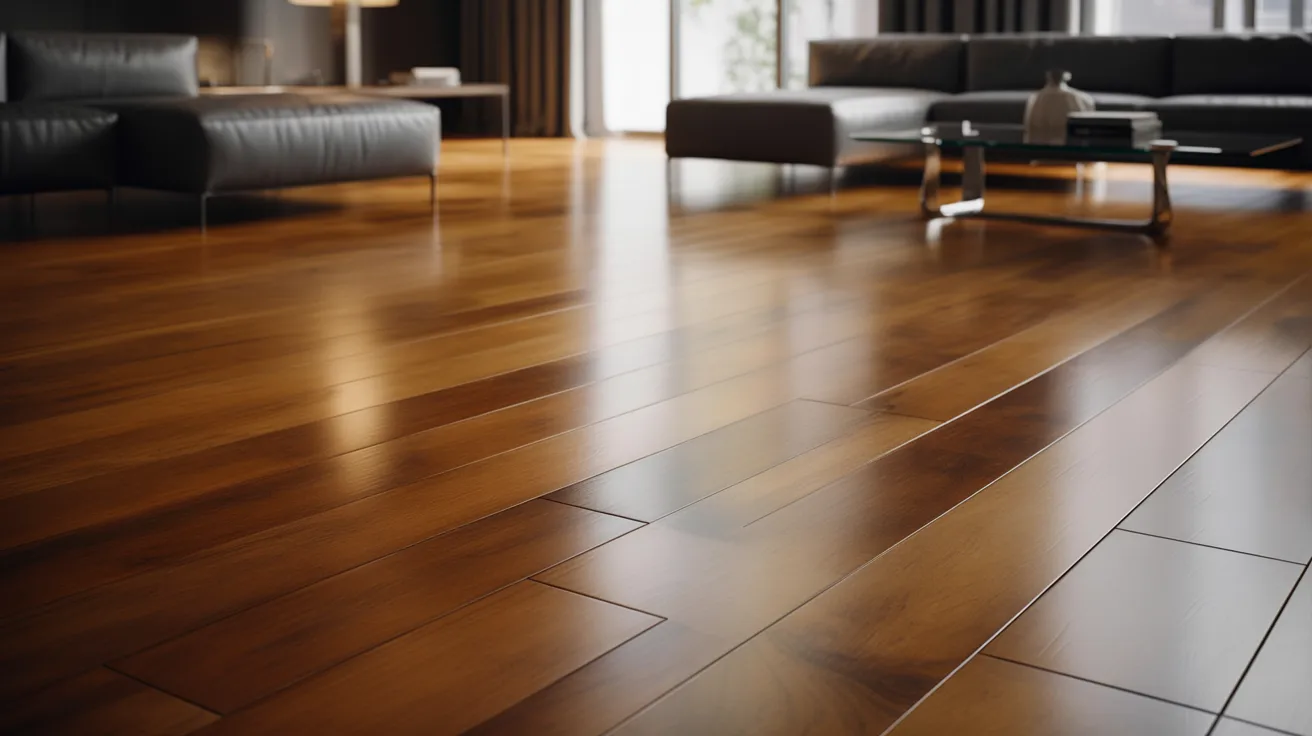
Satin finishes have their own strengths and weaknesses. Here is what you should know before choosing one.
Pros of Satin Finish Floors
- It Hides Everyday Wear: Satin finishes are great at hiding light scratches and small scuffs. Because the surface is not fully reflective, minor damage does not show up as much as it would on a high-gloss floor.
- Easy to Keep Clean: Dust, dirt, and footprints are less visible on a satin finish compared to a glossy one. A quick sweep or mop is usually enough to keep it looking good.
- Works in Many Spaces: This finish fits well in living rooms, bedrooms, hallways, and kitchens. It does not feel too formal or too casual, so it blends in with most home styles.
- Softer on the Eyes: The low sheen is easier to look at in bright rooms. High-gloss floors can create glare, but satin keeps things comfortable without losing that polished look.
- Holds Up Over Time: Satin finish floors tend to age well. They do not show wear as quickly as glossy finishes, which means they can go longer between refinishing jobs.
Cons of Satin Finish Floors
- Not as Easy to Spot-Clean: If you need to touch up just one section of a satin floor, matching the sheen can be tricky. An uneven patch may stand out more than you expect.
- Less Depth Than Gloss: If you want your floors to look rich and dramatic, satin may feel a bit flat. It does not bring out the grain of wood or stone as strongly as a high-gloss finish does.
- Can Show Certain Stains: While it hides dust well, oily stains or dried liquid can sometimes be more noticeable on a satin surface than on a matte one.
- Needs the Right Cleaner: Using the wrong cleaning product can dull the finish over time. You need to stick to floor-safe, pH-neutral cleaners to keep the sheen intact.
- May Not Suit High-Traffic Areas Long-Term: In very busy spaces, satin finishes can wear down faster than harder, more protective coatings. You may need to refinish sooner if foot traffic is constant.
Conclusion
When I was choosing floors for my living room, I kept going back and forth between matte and satin. Honestly, it felt overwhelming! But once I focused on my lifestyle, the choice became clear.
If your home is busy and lively, satin holds up beautifully. If you love that calm, natural look, matte is your match.
Both finishes are wonderful in the right space. The best floor is simply the one that fits your life.
Which finish are you leaning toward, Matte vs Satin? Drop your thoughts in the comments below!
Frequently Asked Questions
Is matte or satin finish better for high-traffic areas?
Satin is the better choice as it holds up well against daily wear and is easier to clean.
Does a matte finish scratch easily?
Matte finishes do not show scratches easily because they reflect very little light.
Which finish is easier to maintain?
Satin is easier to maintain since it resists stains and can be wiped clean without much effort.
Can I use the same cleaner for both matte and satin floors?
No, always use a pH-neutral cleaner suited to each finish to avoid dulling the surface.
Which finish looks better in small rooms?
Matte works well in small rooms as its flat, light-absorbing surface makes the space feel warm and cozy.