
Thinking about staining your hardwood floors darker?
It is a big change, and it is normal to feel unsure before committing.
This article covers everything you need to know. We talk about the pros and cons, the best wood types for dark stains, and the most common regrets homeowners have.
We also share tips to get it right the first time. With years of flooring experience, we have seen what works and what does not.
Dark floors can look great, but they are not right for every home or lifestyle. By the end, you will know exactly what to expect.
Should You Stain Hardwood Floors Darker?

Thinking about going darker with your hardwood floors? Here is what you need to know.
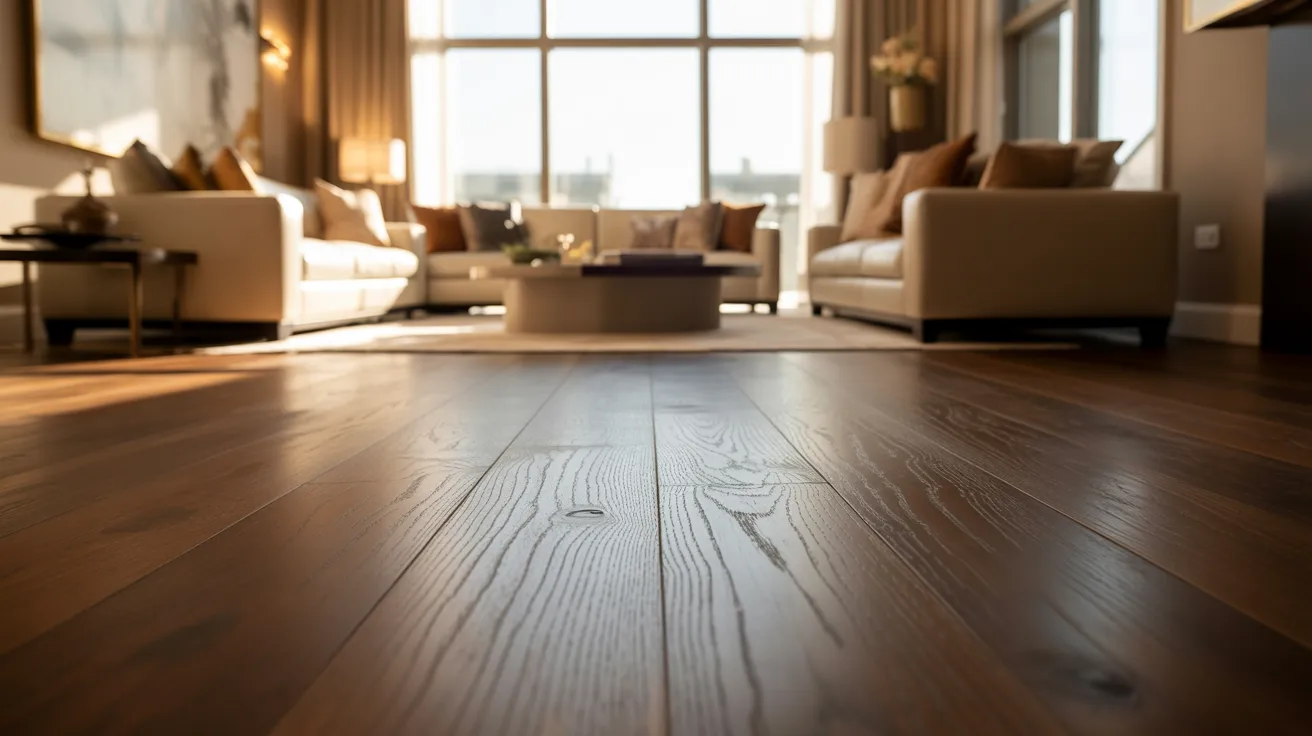
Dark stains like espresso, walnut, and jacobean are popular because they create strong contrast against light walls and give a room a warm, finished look.
They also tend to appeal to buyers and photograph well.
But dark floors show dust, pet hair, and scratches much more than lighter ones. Some wood types like pine can look blotchy with dark stains.
Rooms with limited natural light can feel smaller and heavier with dark floors.
Wear also shows faster in high-traffic spots, and matching a dark stain for repairs later is tricky.
Test the stain on a small section first. Lighting, wood type, and room size all affect how the final result looks in your space.
Can Dark Stain Hide Hardwood Floor Imperfections?
Dark stains on hardwood floors look rich, but it does not always hide what lies beneath.
Scratches and Wear Marks
Dark stains can soften the look of light surface scratches. The reduced contrast between the scratch and the finish helps.
But deep scratches still show. The shadow from a gouge catches light no matter what color sits on top. Worn paths in high-traffic areas also appear as lighter streaks on dark floors, making them more noticeable over time.
Pet Stains and Discoloration
Pet urine soaks into wood fibers and changes the color from the inside. No stain can cover that.
Dark finishes often make pet stains stand out more. The discolored wood turns gray or black, and the contrast against the dark stain becomes easy to spot.
Affected boards usually need sanding down or full replacement before any stain is applied.
What Dark Floors Actually Make More Visible
Dark floors show dust, pet hair, and footprints very clearly. Light debris on a dark surface creates strong contrast, so cleaning becomes more frequent.
Smudges from bare feet also stand out. Uneven grain or old filler in the wood can cause blotchy stain absorption, which is hard to miss on a dark finish.
Dark stain is not a fix for floor damage. Going in with realistic expectations will save you from disappointment.
Pros of Staining Hardwood Floors Darker
Darker stained hardwood floors bring warmth, style, and practical benefits that many homeowners love.
Rich and Timeless Appearance

Dark stained floors add warmth and depth to any room. The deep tones make the wood grain stand out, giving the floor a natural and inviting look.
This style has stayed popular across many design trends over the years. That alone shows how well it works in real homes.
Covers Some Floor Imperfections Better
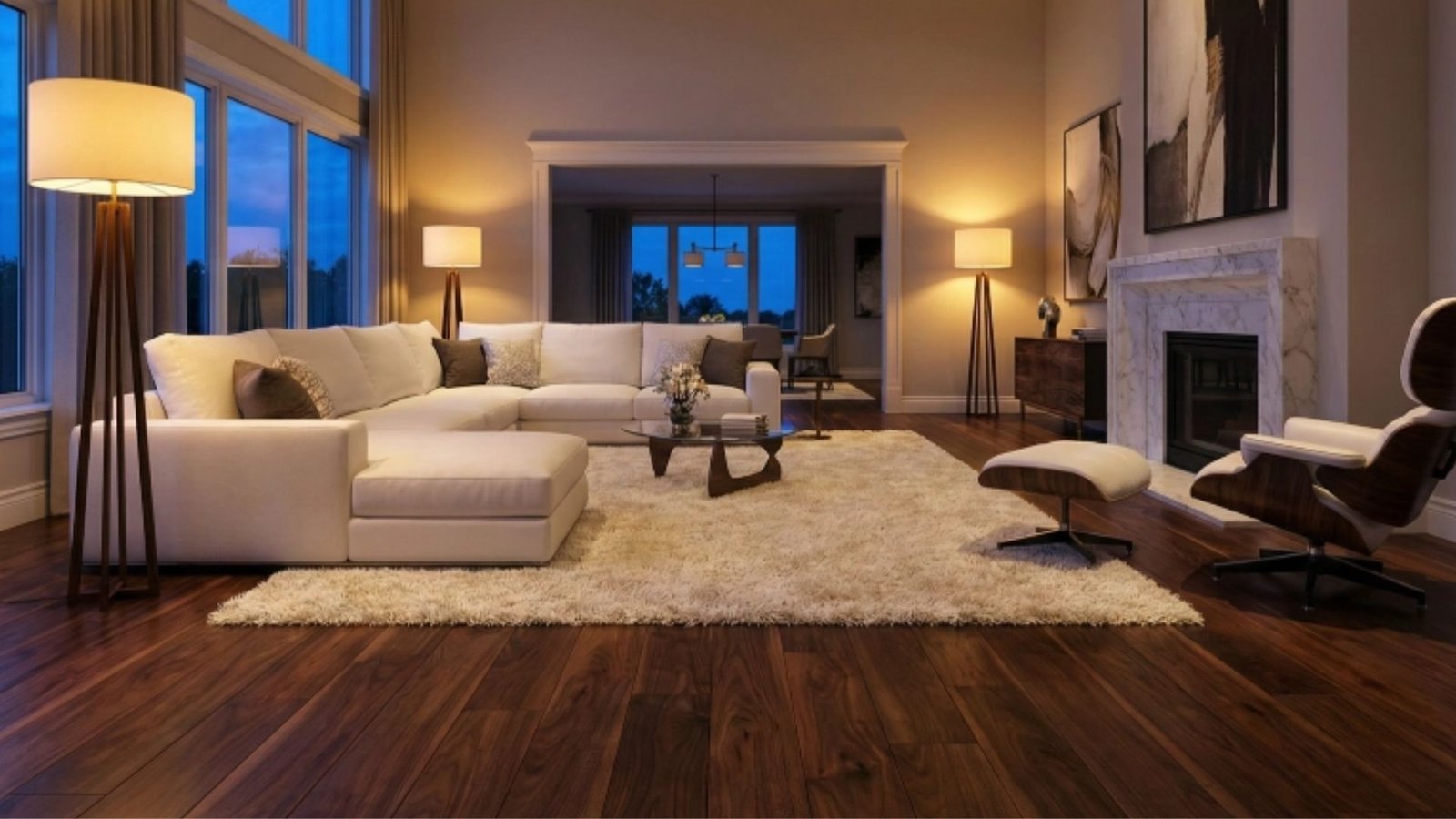
Darker stains do a good job hiding light scratches, scuffs, and minor dents. This makes them a smart pick for busy areas like hallways and living rooms.
Homes with kids or pets benefit the most from this. Daily wear becomes far less noticeable on darker wood surfaces.
Modern and Traditional Design Appeal
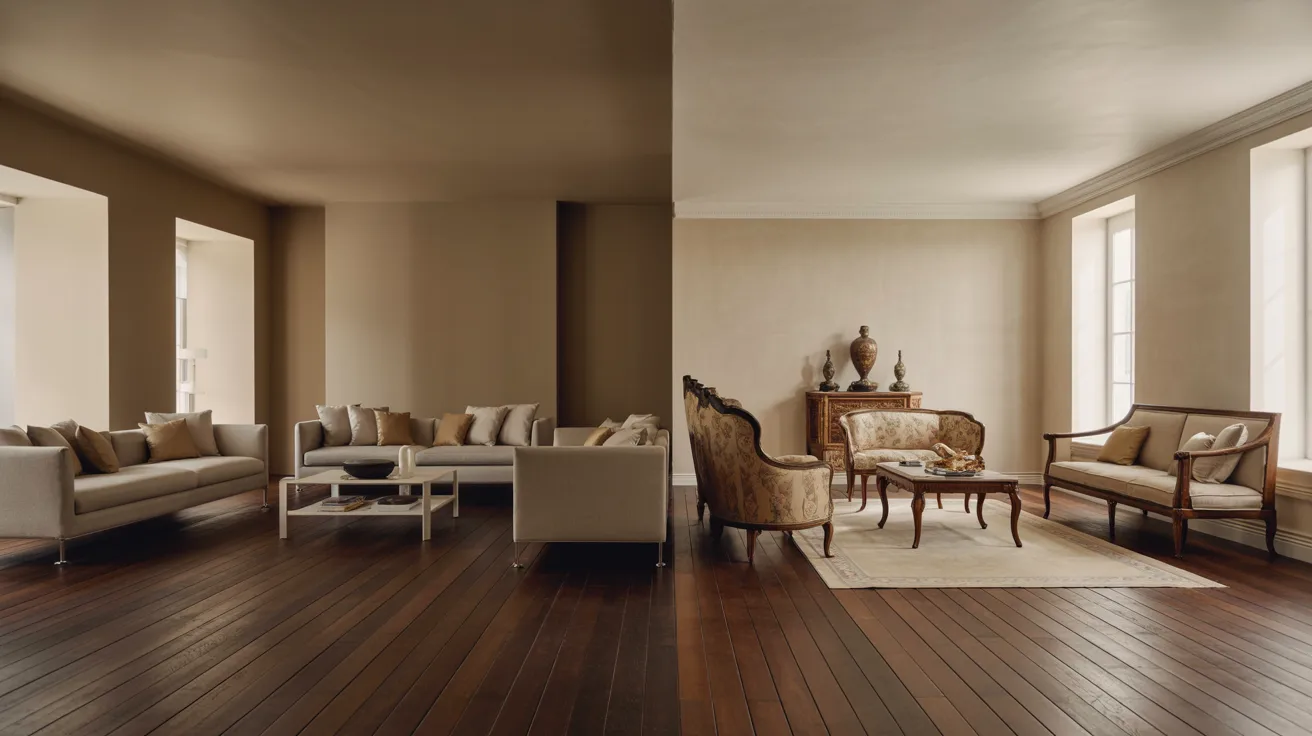
Dark hardwood floors fit well in both modern and classic home styles. They pair nicely with neutral walls, warm fabrics, and a wide range of furniture types.
They also work with many wall colors without clashing. This flexibility makes them a reliable choice for almost any home setting.
Cons of Staining Hardwood Floors Darker
Dark stained floors look rich, but they come with some real downsides worth knowing before you decide.
Shows Dust, Hair, and Scratches Easily

Dark floors make every little thing visible. Dust, pet hair, and scratches stand out clearly against the dark surface.
Even minor scuffs catch your eye right away. If you have kids or pets, this can get frustrating fast.
Requires More Cleaning and Maintenance

Because dark floors show so much, you end up cleaning more often. Daily sweeping becomes almost necessary. Water spots and smudges also show up easily, so mopping needs to happen more regularly too.
Can Make Small Rooms Feel Darker

Dark floors absorb light instead of reflecting it. In a small room, this makes the space feel closed in. Rooms with fewer windows are affected the most. Lighter flooring tends to make a room feel more open and airy.
Biggest Regrets With Dark Hardwood Floors
Dark hardwood floors look great but often come with regrets. Here are the most common ones to avoid.
Choosing a Color That Is Too Dark
Many homeowners fall in love with very dark floors in showrooms. But once installed at home, the result can feel very different.
Rooms with limited natural light can feel smaller and heavier with very dark tones. Dark floors also show every speck of dust, pet hair, and footprint.
Not Testing Samples First
The floor looks completely different in a store under bright artificial lighting. At home, the same plank can look cooler, warmer, or slightly off depending on your wall color and light sources.
Always bring samples home before making a final decision.
Ignoring Lifestyle and Maintenance Needs
Dark hardwood floors demand more upkeep than most people expect. Scratches, muddy paw prints, and water spots are all very visible on darker finishes.
Ask yourself how much time you are willing to spend on floor care each week. If the answer is not much, a medium or lighter tone may be a better fit.
Best Wood Types for Dark Stains
Not every wood takes dark stains well. Choosing the right species makes all the difference.
Oak Floors
Oak is the top choice for dark staining. Its open grain absorbs stain evenly, giving floors a rich, consistent color.
Red oak runs warm, white oak runs cool. Both handle dark shades like ebony and jacobean very well. No pre-conditioning needed, and the grain texture looks great under dark tones.
Maple and Hickory Challenges
Both woods are dense with tight grains. Stain does not absorb evenly, which often leads to a blotchy finish under dark tones.
Always use a wood conditioner before staining. Even then, results can be unpredictable. Many flooring pros suggest sticking to mid-tones with these species.
Exotic Woods and Stain Problems
Teak, Brazilian cherry, and similar species contain natural oils that block stain from bonding properly. Stain tends to sit on top rather than soak in, causing peeling or muddy color over time.
Always test on a spare board first. If you want a dark look on exotic wood, ask a specialist about tinted oils or dark hardwax finishes instead.
Tips Before Staining Hardwood Floors Darker
Going darker with your hardwood floors takes some planning. These simple tips will help you avoid common mistakes.
- Test Stain Samples in Natural Light:Always try a few stain colors on a small floor section first. Check them during the day when sunlight is coming in.
- Choose Satin or Matte Finish:Satin and matte finishes work better with darker stains. They cut down on glare and hide minor scratches well. High-gloss finishes tend to show dust and scuff marks much more easily.
- Hire a Professional for Even Results:Getting a smooth, even stain across the whole floor is harder than it looks. Hiring a professional the first time saves both money and stress in the long run.
Conclusion
Honestly, I think they can be but only when you go in with clear expectations. Dark floors look rich and warm, but they do demand more upkeep than most people expect.
If your home gets good natural light and you do not mind regular sweeping, dark stained floors can completely change how a room feels.
Still deciding? Drop your questions in the comments below. I would love to help you figure out what works best for your space.
Frequently Asked Questions
Can dark stains cover deep scratches on hardwood floors?
No, deep scratches still show through dark stains because the shadow from the gouge catches light.
Which wood type works best with dark stains?
Oak is the best choice since its open grain absorbs dark stain evenly without blotching.
Will dark hardwood floors make my room feel smaller?
Yes, dark floors absorb light, which can make smaller or low-light rooms feel more closed in.
How often do dark hardwood floors need cleaning?
Dark floors show dust and pet hair easily, so daily sweeping is usually needed to keep them looking clean.
Should I hire a professional to stain my hardwood floors darker?
Yes, professional staining gives you a smooth, even finish and helps you avoid costly do-overs.