
Vinyl flooring looks great, but picking the right thickness can be tricky. Many people make simple mistakes that cost them time and money.
I have helped many people sort through flooring options, and the same problems keep coming up.
In this guide, you will learn why the wear layer matters more than total thickness, how to match flooring to your room's foot traffic, and why subfloor prep is a step you cannot skip.
We will also cover tips and common mistakes to help you choose with confidence.
By the end, you will know exactly what to look for before buying.
What Is Vinyl Flooring Thickness?
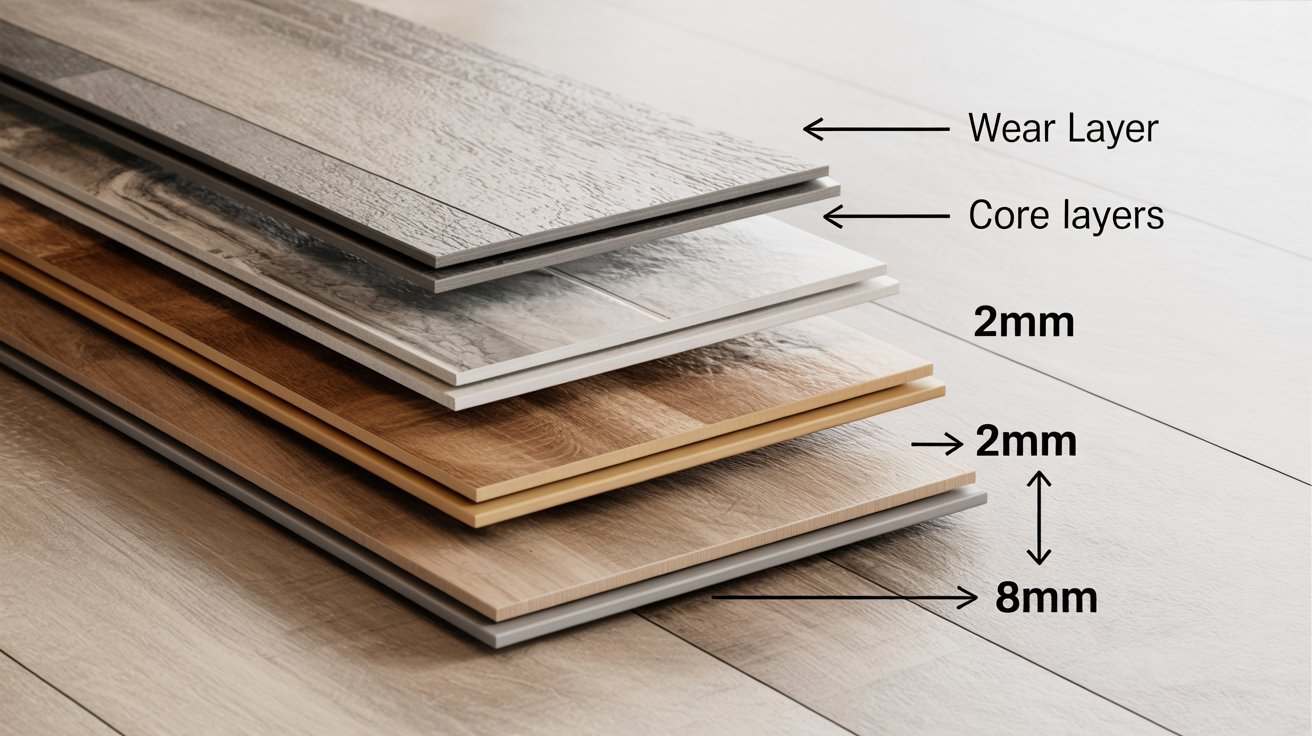
Vinyl flooring thickness is measured in millimeters and usually ranges from 2mm to 8mm. Thinner options suit low-traffic areas, while mid-range thickness works well for living rooms and bedrooms.
Thicker floors of 6mm and above are best for busy spaces like kitchens and hallways, as they handle heavy use better and cover minor subfloor imperfections more effectively.
The wear layer on top also matters since a thicker one offers stronger protection against scratches and stains. Picking the right thickness depends on your room type, foot traffic, and budget.
Vinyl Flooring Thickness Chart by Type
Not sure which vinyl thickness works best for your space? This chart breaks down your options clearly by thickness range.
2mm–4mm Vinyl Flooring
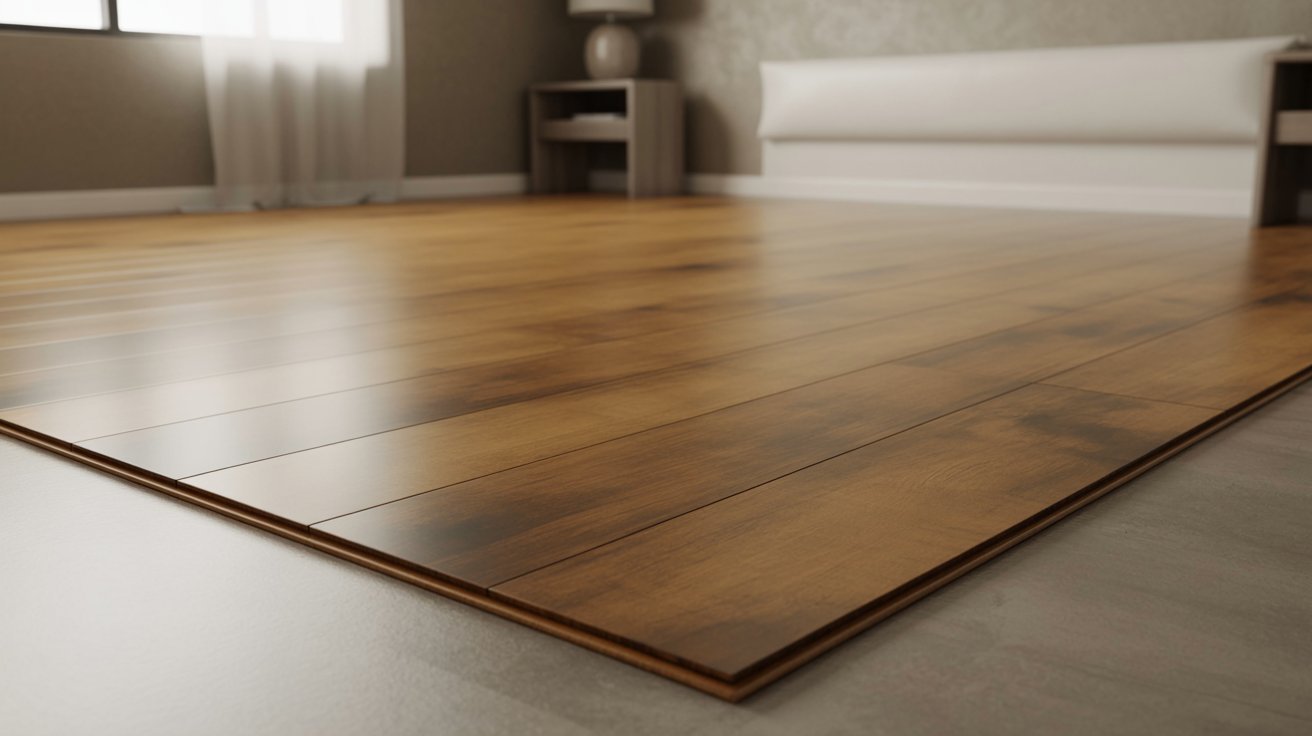
This is the thinnest and most budget-friendly option. It works well in low-traffic areas like spare bedrooms and closets. The subfloor must be smooth since bumps will show through easily.
4mm–6mm Vinyl Flooring
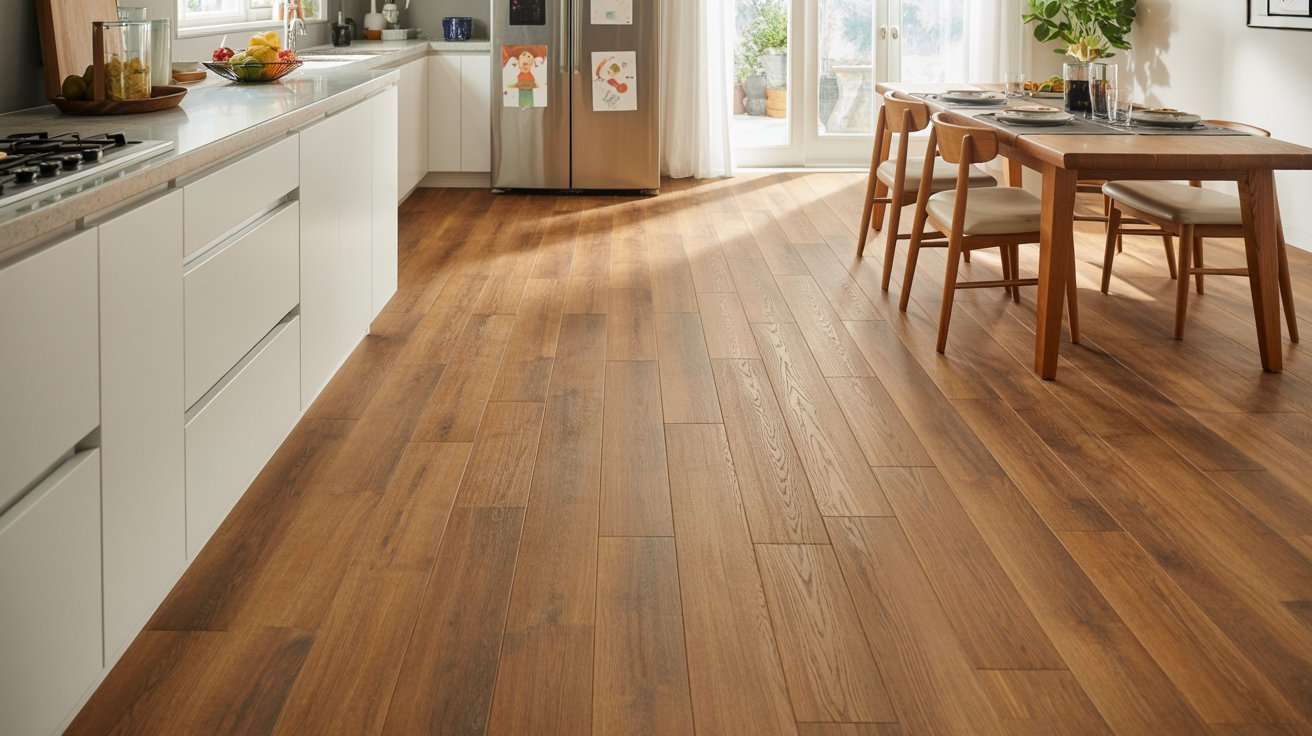
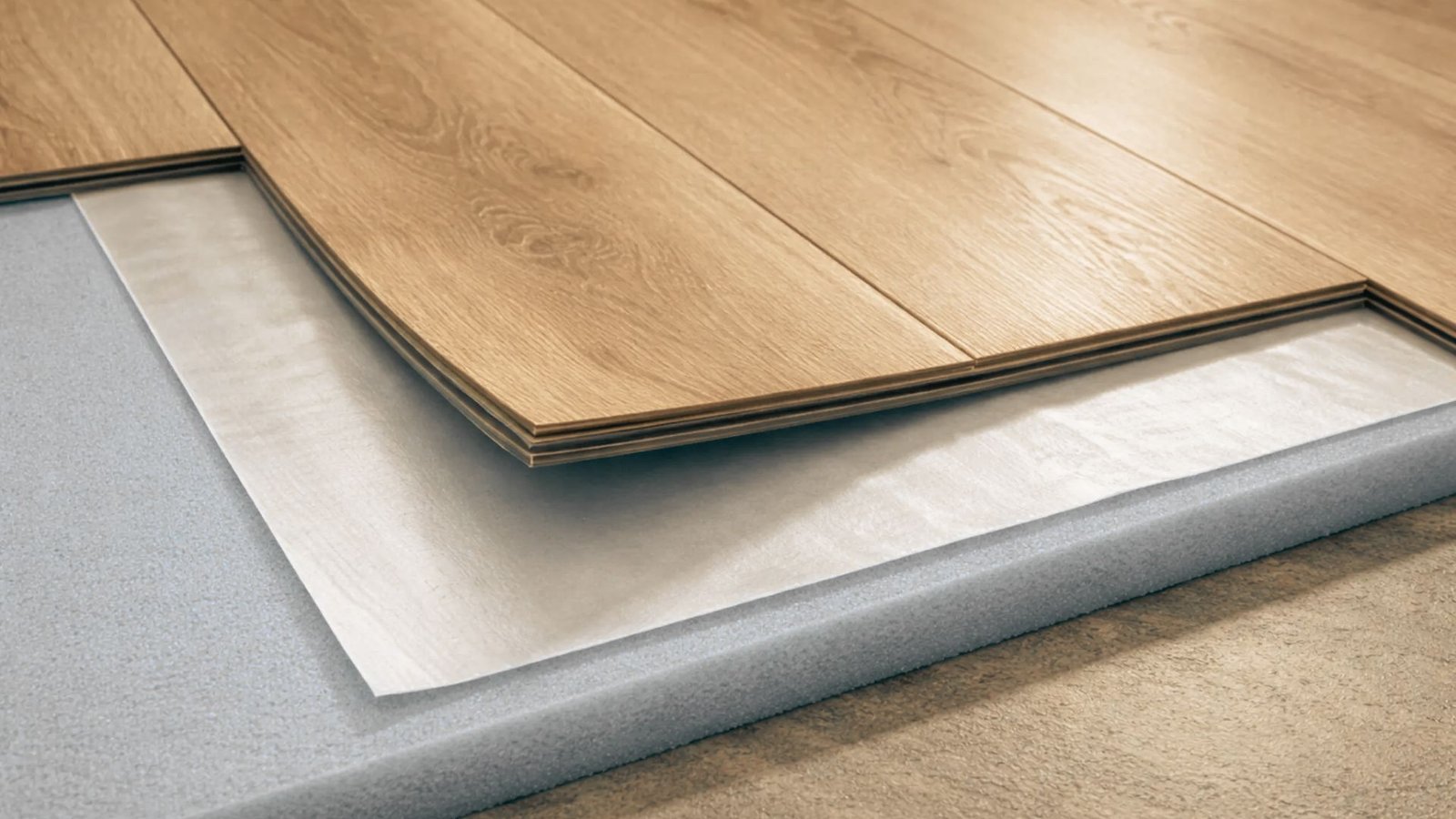
A solid mid-range choice for kitchens, hallways, and dining rooms. Many options come with built-in underlayment for added comfort and sound reduction. It also handles minor subfloor imperfections better than thinner vinyl.
6mm–8mm+ Vinyl Flooring
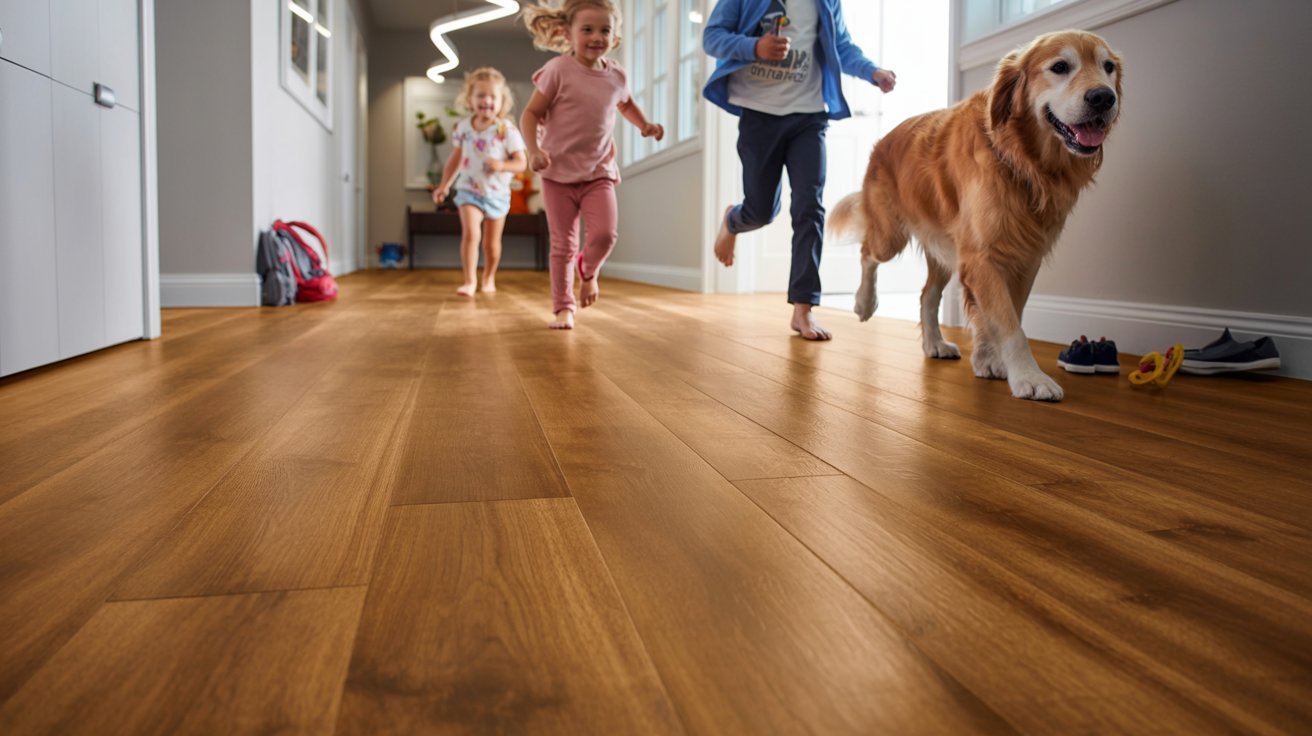
The most durable option available. It handles heavy daily use, offers better sound insulation, and is more forgiving over uneven subfloors. If you have pets, kids, or a busy home, this thickness is worth the extra cost.
Types of Vinyl Flooring and Their Thickness
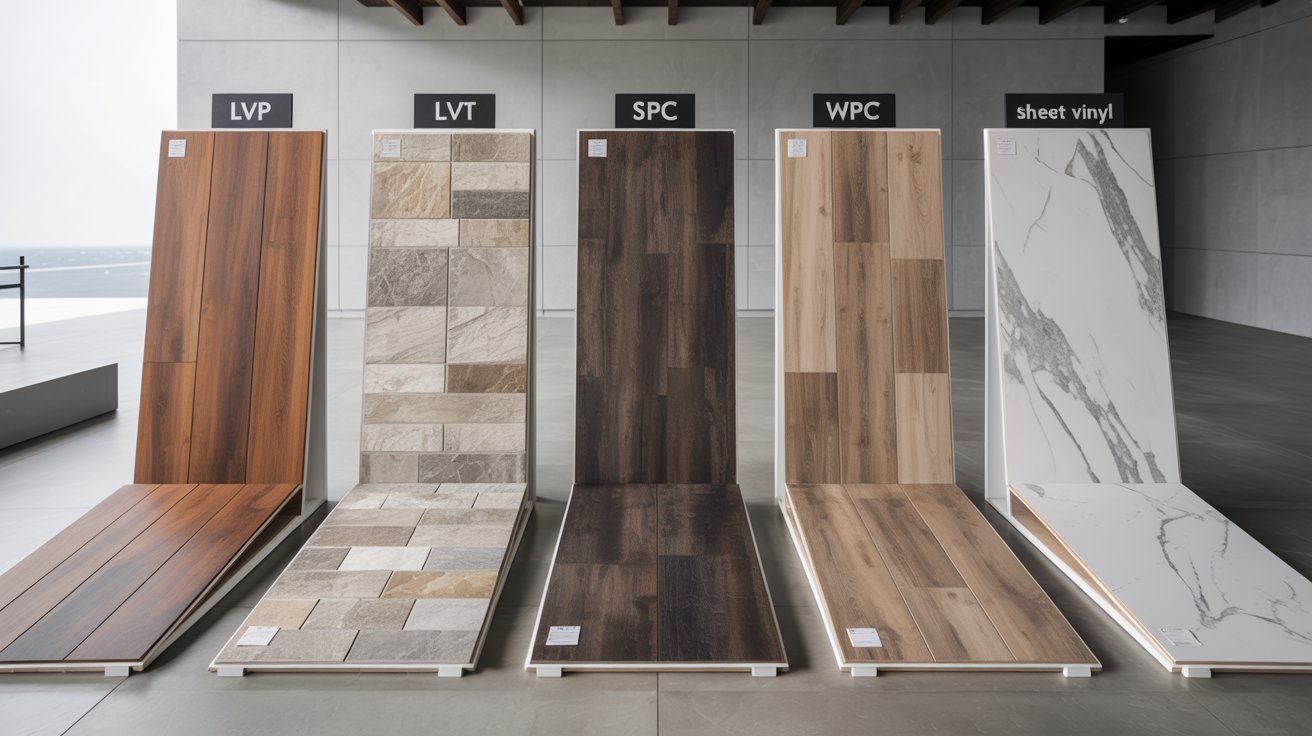
Vinyl flooring comes in several forms, and each type has its own thickness range that affects comfort, durability, and performance.
Luxury Vinyl Plank (LVP) Thickness
LVP is made to look like real wood and comes in long, narrow planks. Its thickness usually falls between 2mm and 8mm. Thicker planks feel more solid underfoot and work better in high-traffic areas.
The wear layer on top protects against scratches. For homes with kids or pets, a wear layer of at least 12 mil is a good choice.
Luxury Vinyl Tile (LVT) Thickness
LVT mimics the look of stone or ceramic tile and is cut into square or rectangular shapes. It typically ranges from 2mm to 5mm thick.
It runs a bit thinner than LVP, but the wear layer still keeps it durable. A thicker option, around 4mm or 5mm, feels warmer and quieter underfoot.
Sheet Vinyl Flooring Thickness Guide
Sheet vinyl comes in large rolls with very few seams, making it a smart pick for wet areas like bathrooms. Its thickness ranges from 1.5mm to 5mm.
Thinner sheets work for low-traffic rooms, while thicker ones add cushion and noise reduction. For most homes, 2mm to 3mm is plenty.
SPC vs WPC Vinyl Flooring Thickness
SPC has a dense limestone and PVC core, usually between 3.5mm and 7mm thick. It handles heavy loads and temperature swings well, making it great for basements and garages.
WPC has a softer foamed core and runs from 5mm to 8mm or more, giving it a warmer and cushioned feel underfoot. Both resist water well and need little to no extra underlayment.
Understanding Wear Layer Thickness

Knowing how thick your wear layer should be helps you make a smarter choice for your space.
What Is a Wear Layer?
The wear layer is a clear coating on top of your floor that protects against scratches, stains, and foot traffic. It is measured in miles, where one mil equals one-thousandth of an inch.
A higher mil count means stronger protection.
Best Wear Layer Thickness for Homes
For most homes, 6 mil to 12 mil works well. Bedrooms are fine with 6 to 8 mil. Kitchens and hallways need at least 12 mil. Homes with pets or kids should go for 20 mil or more.
Best Wear Layer Thickness for Commercial Spaces
Commercial spaces need thicker wear layers due to heavy foot traffic. Small offices work with 20 mil. Hospitals, gyms, and retail stores need 28 mil or higher.
Going too thin leads to faster damage and higher replacement costs.
Aluminum Oxide Coating Benefits
Aluminum oxide is a hard mineral added to some wear layers. It resists scratches, fading, and makes cleaning easier.
If you want a low-maintenance floor that lasts longer, look for this coating when comparing options.
Best Vinyl Flooring Thickness for Each Room
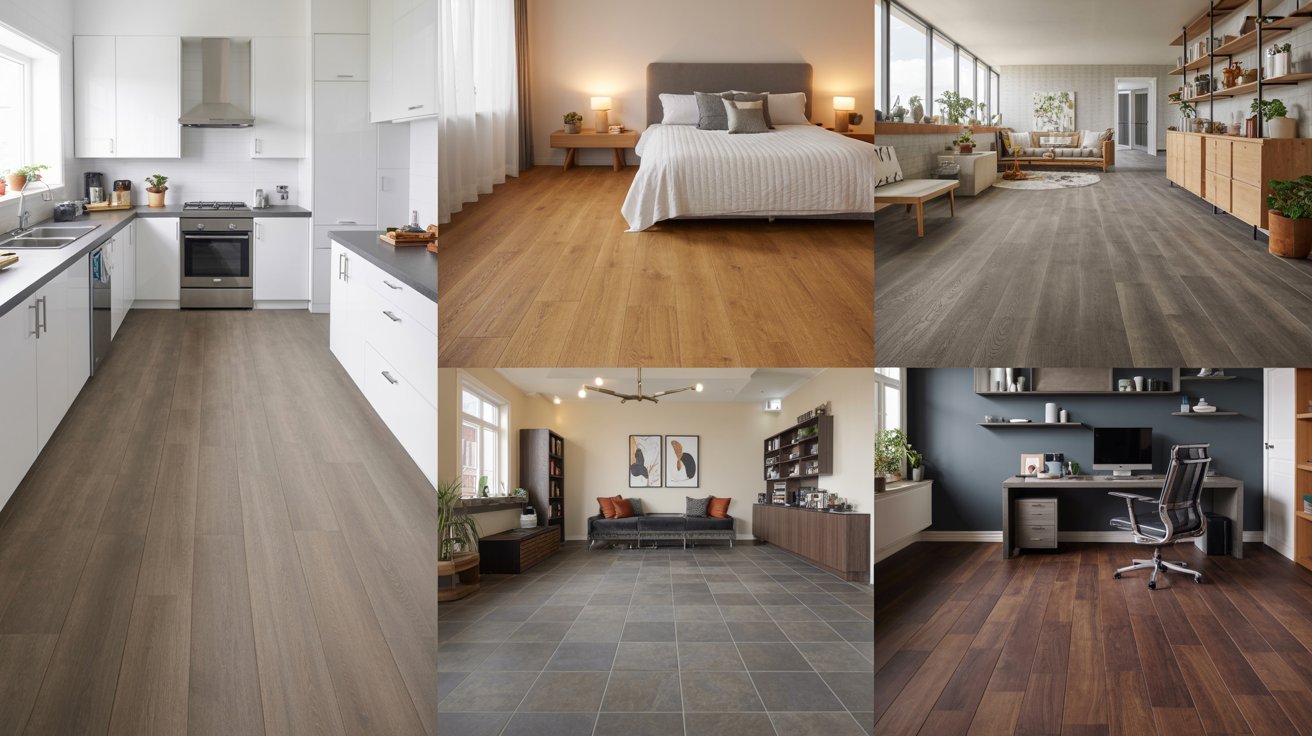
The right vinyl thickness keeps every room durable, comfortable, and long-lasting.
Kitchens and Bathrooms
Go with 6mm to 12mm here. These rooms deal with water and heavy appliances daily. Thicker vinyl handles moisture better and hides subfloor imperfections. Look for a wear layer of at least 12 mil.
Bedrooms and Living Rooms
4mm to 6mm works well for bedrooms. Living rooms with kids or pets do better with 6mm to 8mm. Added thickness reduces noise and prevents that hollow sound underfoot.
Basements and Laundry Rooms
Stick to 8mm to 12mm. Concrete floors are cold and uneven, so thicker vinyl adds insulation and stays flat. Make sure it is 100% waterproof, not just water-resistant.
Offices and Commercial Spaces
Use 12mm or more with a wear layer of 20 mil minimum. Rolling chairs and heavy foot traffic demand it. A chair mat on top also helps extend the floor's life.
Does Thicker Vinyl Flooring Mean Better Quality?
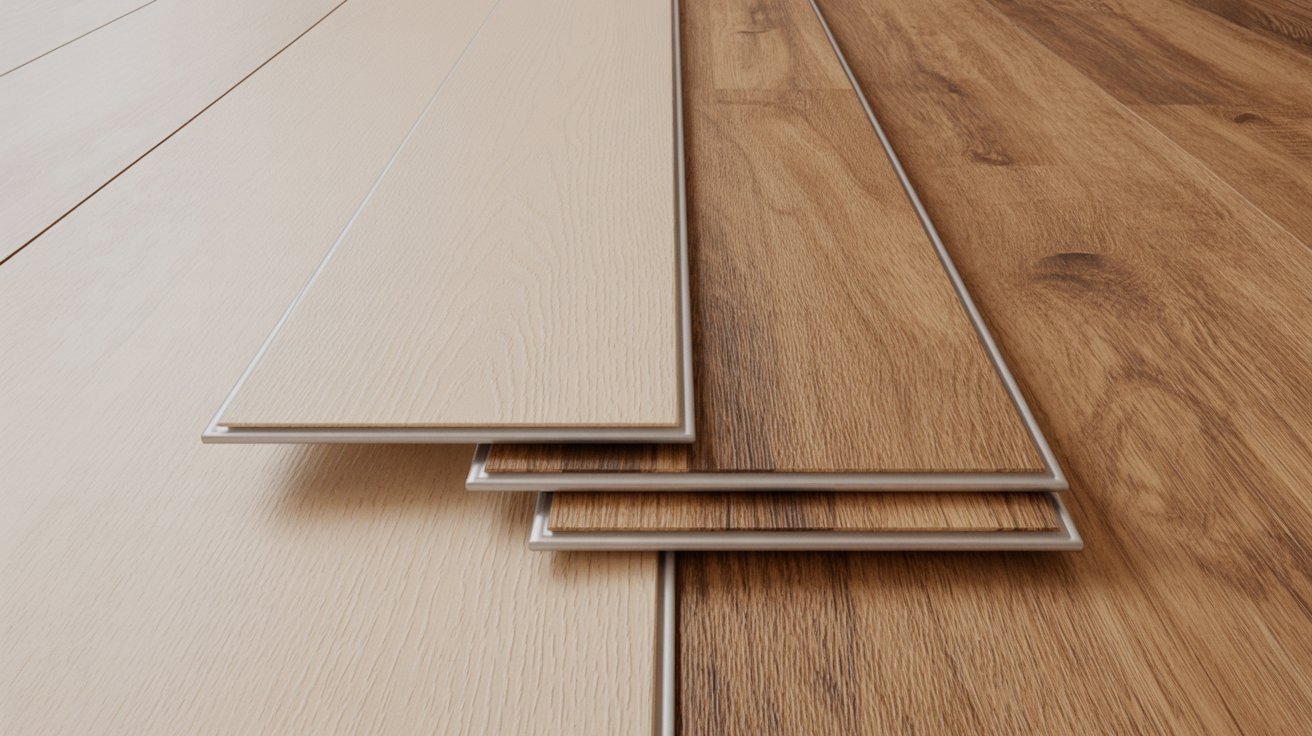
Not always. The right thickness depends on your space, foot traffic, and budget.
Benefits of Thick Vinyl Flooring
Thick vinyl, usually 6mm and above, feels solid underfoot and handles busy areas well.
It hides minor subfloor bumps, adds comfort for long standing, and reduces noise between floors. Good for kitchens, hallways, and living rooms.
When Thin Vinyl Flooring Is Enough
Thin vinyl, around 2mm to 4mm, works fine in low-traffic spaces like guest rooms or home offices. If your subfloor is already smooth, you do not need extra thickness.
It also costs less and is easier to install.
Thickness vs Durability Explained
Thickness and durability are not the same thing. The wear layer on top is what protects the floor from scratches and stains. A thin plank with a strong wear layer will last longer than a thick plank with a weak one.
Always check both numbers. Total thickness gives you comfort and stability. Wear layer thickness gives you surface protection. You need to look at both before buying.
Common Mistakes When Choosing Vinyl Flooring Thickness
Picking the wrong vinyl thickness can cost you money and cause problems that are hard to fix later.
Ignoring the Wear Layer
Many people focus on total thickness and forget about the wear layer. This clear top coating protects your floor from scratches and daily use.
A thicker plank does not always mean better protection. Always check the wear layer number. For busy rooms, look for at least 12 mil.
Choosing Thin Flooring for Busy Areas
Thin vinyl may save money upfront, but it wears out fast in high-traffic areas. It also feels hollow underfoot and dents easily.
Go for 6mm to 8mm in rooms with heavy foot traffic. A small extra cost now can prevent a full replacement later.
Installing Vinyl Over Uneven Subfloors
Vinyl does not hide subfloor flaws. Bumps and dips will show through over time and cause planks to shift or lift at the edges.
Always smooth out the subfloor before installation. Fill low spots and sand high areas. This one step can make your floor last much longer.
Tips for Choosing the Right Vinyl Flooring Thickness
A few simple tips can help you pick the right vinyl flooring and avoid costly mistakes down the road.
- Always check the wear layer before buying. For busy rooms, go with 12 mil or more to keep the floor looking good longer.
- Match the thickness to the room. High-traffic areas need 6mm to 8mm planks, while low-traffic rooms can work with thinner options.
- Prep the subfloor before installation. Fill dips and smooth out bumps so the vinyl stays flat and does not lift over time.
- Set a budget based on long-term value. Thicker vinyl costs more upfront but saves you from early replacement costs down the line.
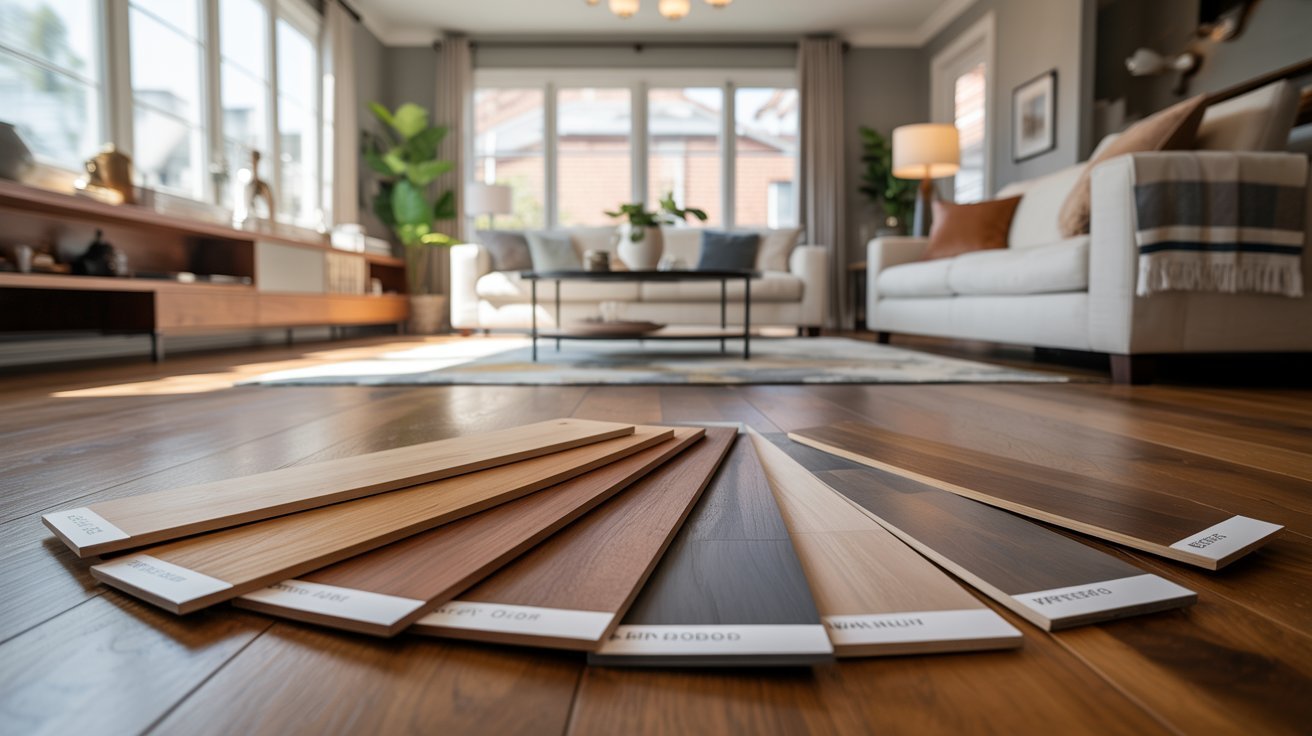
- Order a sample before buying in bulk. Walk on it and see how it feels in your space before making a final call.
Conclusion
Choosing the right vinyl flooring thickness does not have to be confusing. I remember feeling overwhelmed by all the options the first time I looked into it. But once you understand the basics, like wear layers, room use, and subfloor prep, it all starts to make sense.
Take your time, do a little research, and trust your instincts. Your floor will thank you for it.
Have questions or tips of your own? Drop them in the comments below. We would love to hear what worked for you!
Frequently Asked Questions
What is the best vinyl flooring thickness for high-traffic areas?
For busy areas like hallways and living rooms, go with 6mm to 8mm thick planks. This gives you better durability and comfort underfoot.
How important is the wear layer in vinyl flooring?
The wear layer is what protects your floor from scratches and daily wear. Always check this number before buying, especially for kitchens and family rooms.
Can I install vinyl flooring over an uneven subfloor?
It is not a good idea to skip subfloor prep. Bumps and dips will show through over time and cause the planks to shift or lift.
Is thicker vinyl flooring always better?
Thicker planks offer more stability and last longer, but the right choice depends on the room. A bedroom does not need the same thickness as a busy kitchen.
How do I know which vinyl flooring thickness fits my budget?
Thicker options cost more upfront but save money in the long run by lasting longer. Compare options, check wear layer ratings, and think about the room before deciding.