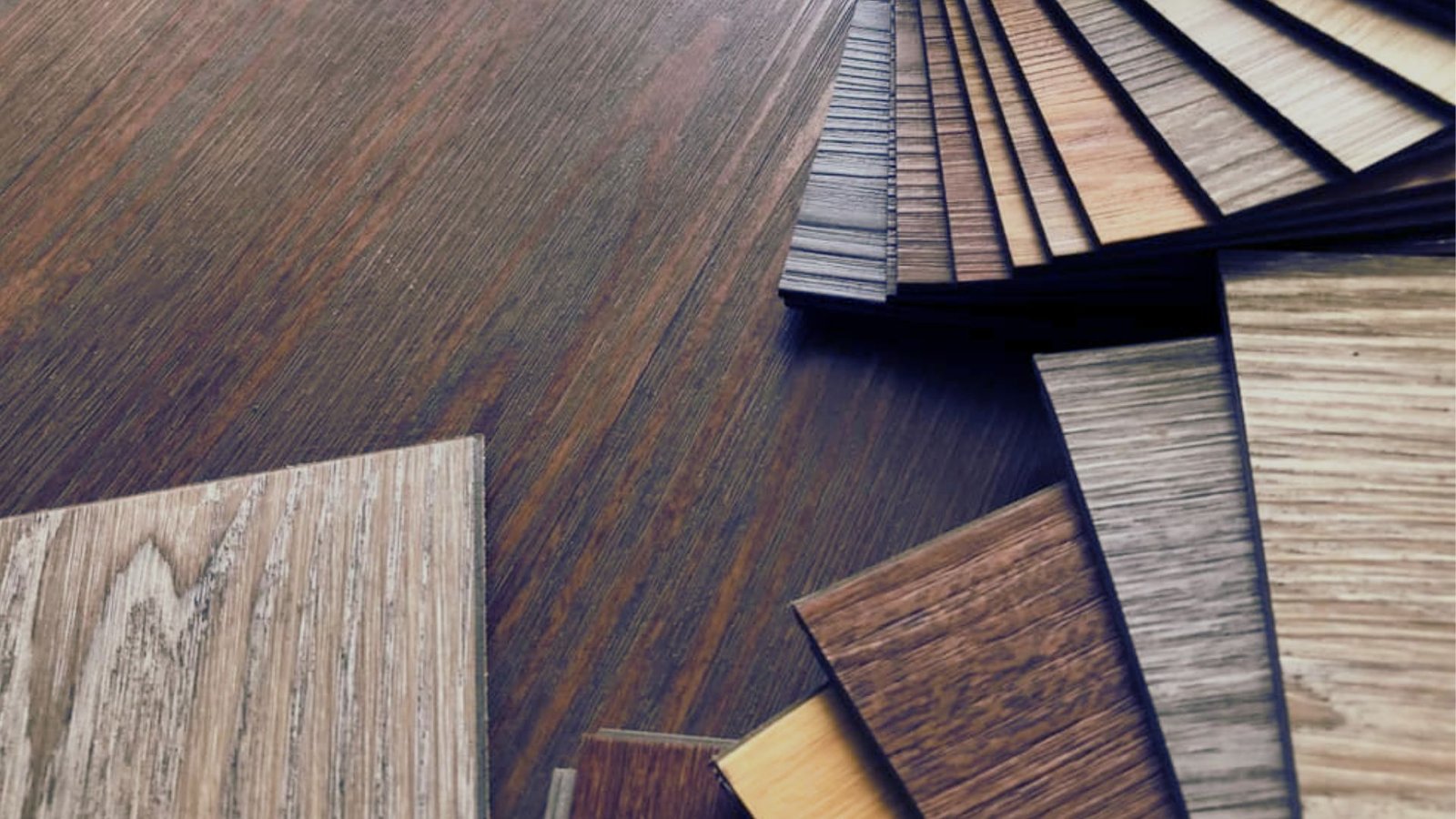

Choosing between hybrid resilient flooring and luxury vinyl plank is not easy.
I have been through this decision myself. After researching both options thoroughly, I am confident I can help you pick the right one.
This guide covers the real differences between hybrid and LVP flooring, which works best for kitchens, bathrooms, and pets, and a clear cost and durability breakdown.
You do not need to guess anymore.
Whether you care about budget, moisture, or heavy foot traffic, this guide covers it all.
The right floor is closer than you think. Let's find it together.
What is Hybrid Resilient Flooring?
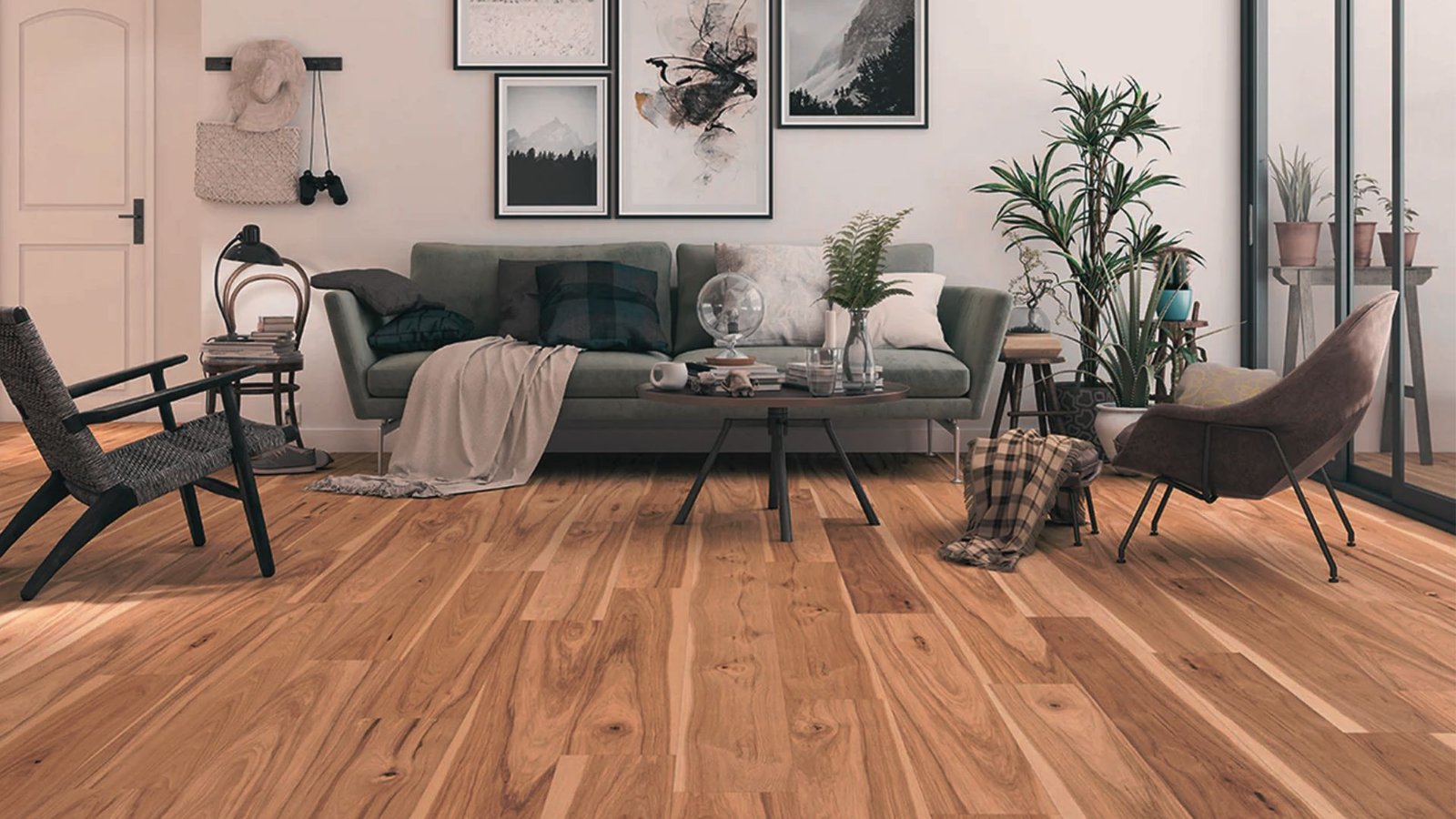
Hybrid resilient flooring is a multi-layer flooring product that combines the durability of laminate with the waterproof properties of vinyl. It features a waterproof rigid composite core, a vinyl or polymer wear surface, and an integrated underlay system.
It holds up well against heavy foot traffic, spills, scratches, and moisture, making it a practical choice for kitchens, bathrooms, and busy living spaces.
It feels more solid underfoot than standard vinyl plank and often includes attached underlayment for sound reduction and added comfort.
Most products use a simple click-lock installation system, which makes it easy to put down without professional help. It is low maintenance, long-lasting, and works well in almost any room of the house.
What is a Luxury Vinyl Plank?
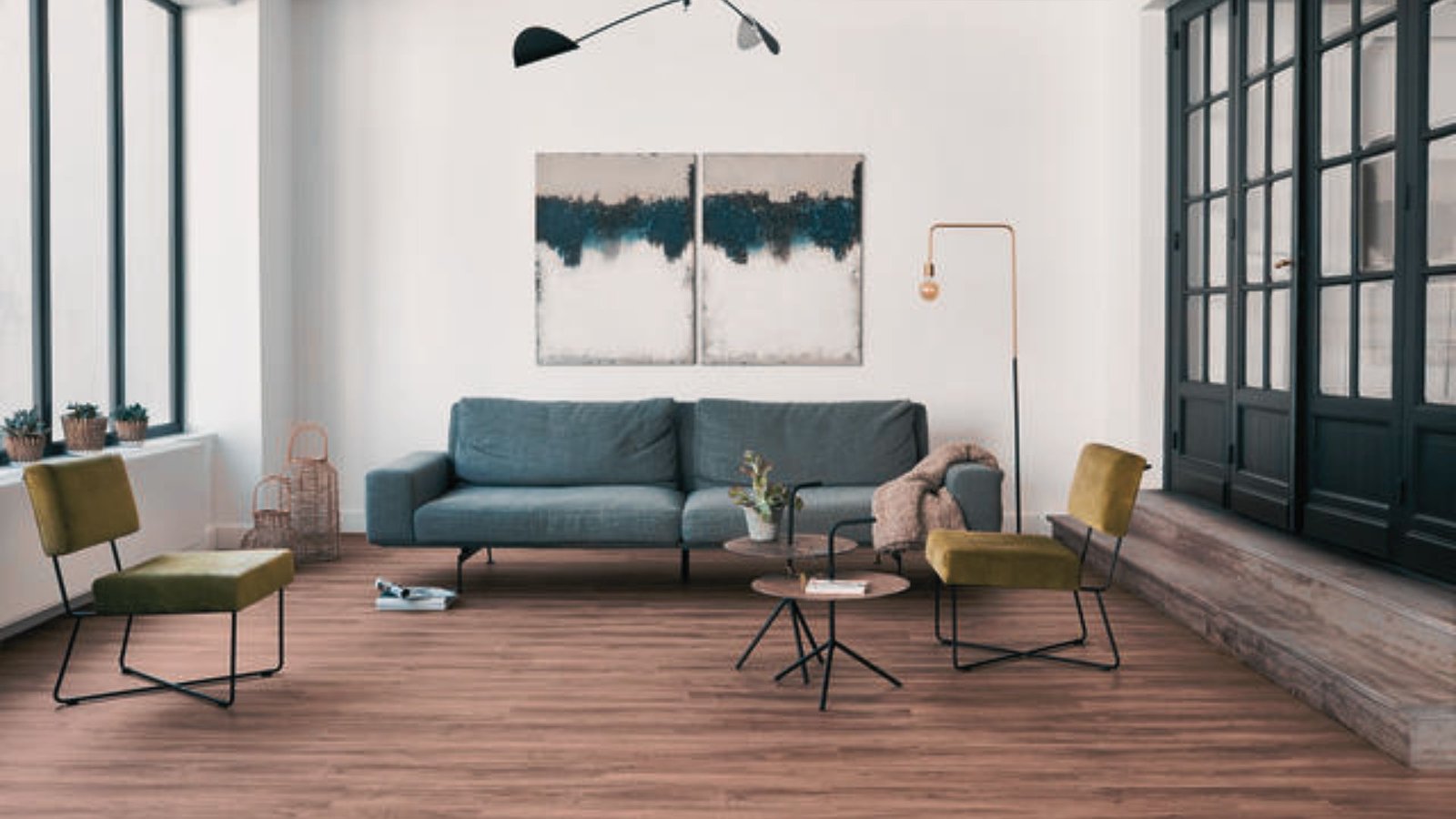
Luxury Vinyl Plank, or LVP, is a synthetic flooring made to look like real hardwood at a much lower cost. It is built from multiple layers including a strong core, a wood grain print, and a wear layer that protects against scratches and stains.
It is fully waterproof, easy to install, and handles daily wear from kids, pets, and heavy foot traffic without much damage. Cleaning only takes a quick sweep and damp mop.
With proper care, LVP can last 15 to 25 years, making it one of the most practical flooring options for modern homes.
Hybrid Resilient Flooring vs Luxury Vinyl Plank Comparison
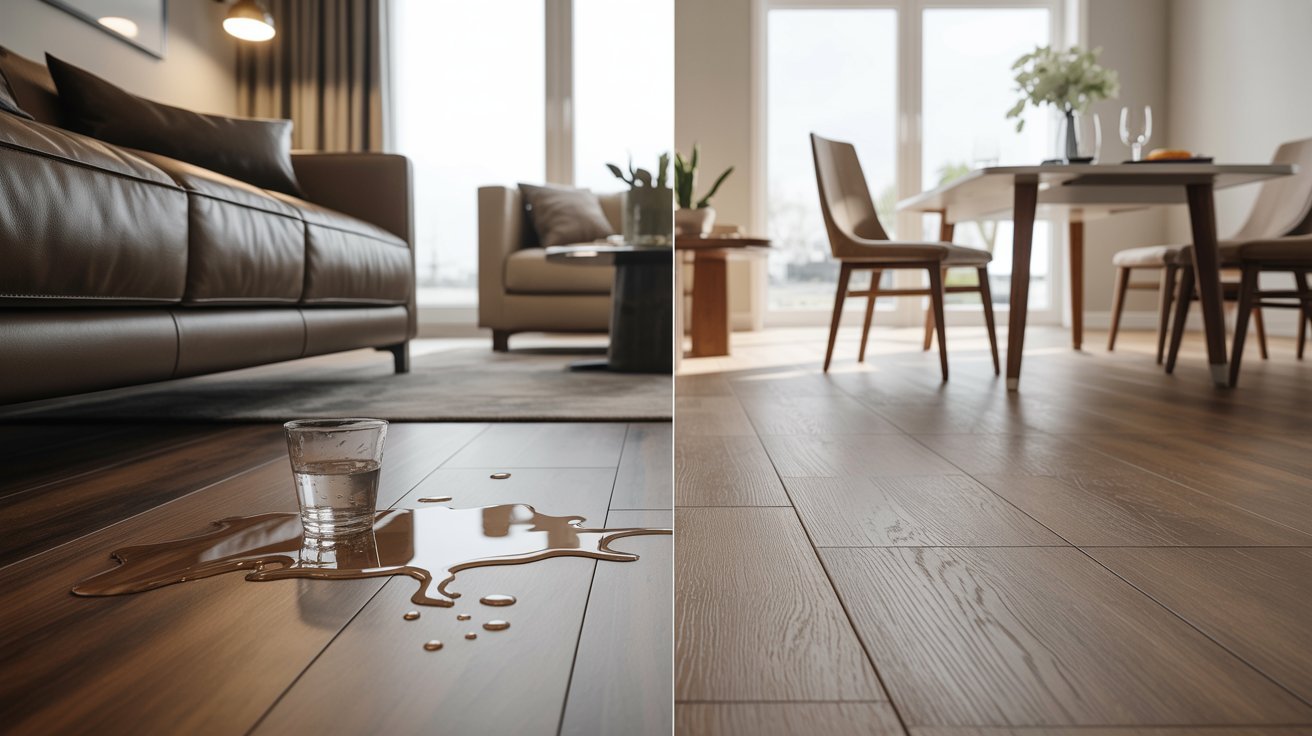
A quick side-by-side look at two popular flooring options to help you choose the right one.
| Category | Hybrid Resilient Flooring | Luxury Vinyl Plank (LVP) |
|---|---|---|
| Durability | Rigid core, handles heavy traffic well | Flexible core, can dent under heavy furniture |
| Waterproof | Fully waterproof core | Water resistant, but seams can be a weak point |
| Comfort | Warmer, quieter underfoot | Can feel harder, may need a separate underlay |
| Installation | Needs a flatter subfloor | Handles minor subfloor bumps better |
| Maintenance | Easy, sweep and damp mop | Easy, sweep and damp mop |
| Cost | Higher upfront cost | More budget-friendly |
| Long-Term Value | Lasts longer, fewer replacements | May need replacing sooner in high-use areas |
| Best For | Wet areas, busy households | Budget renovations, lighter traffic areas |
Go with hybrid flooring for durability and moisture protection. Choose LVP if you need a good-looking floor at a lower price.
Pros and Cons of Hybrid Flooring
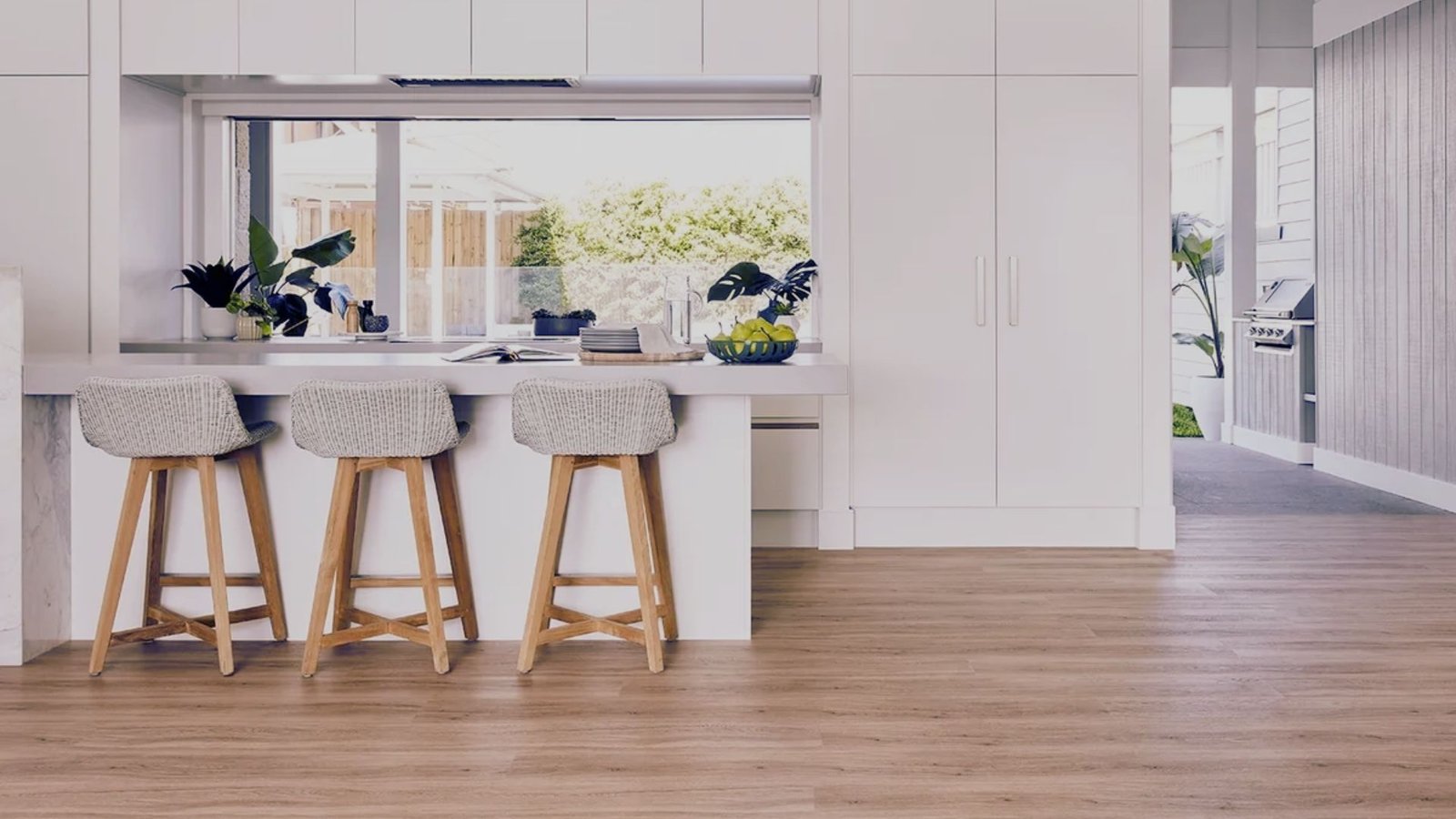
Hybrid flooring has both strengths and weaknesses. Knowing them helps you decide if it suits your home.
Main Benefits
Hybrid flooring combines the best features of laminate and vinyl into one product. It is fully waterproof, making it a safe choice for kitchens and bathrooms.
The rigid core holds up well against dents and heavy foot traffic, and it stays stable in rooms with changing temperatures.
It also comes with an attached underlay for comfort and noise reduction. Installation is simple with a click-lock system, and modern printing gives it a natural wood or stone look at a lower cost.
Common Drawbacks
Hybrid flooring cannot be sanded or refinished, so damaged planks need full replacement. An uneven subfloor can cause planks to flex or sound hollow underfoot.
It is made from synthetic materials, so it is not the best option for eco-conscious buyers.
Sunlight can fade the surface over time, and its thickness may cause clearance issues with doors. Quality also varies between brands, with cheaper options having thinner wear layers and shorter lifespans.
Pros and Cons of Luxury Vinyl Plank
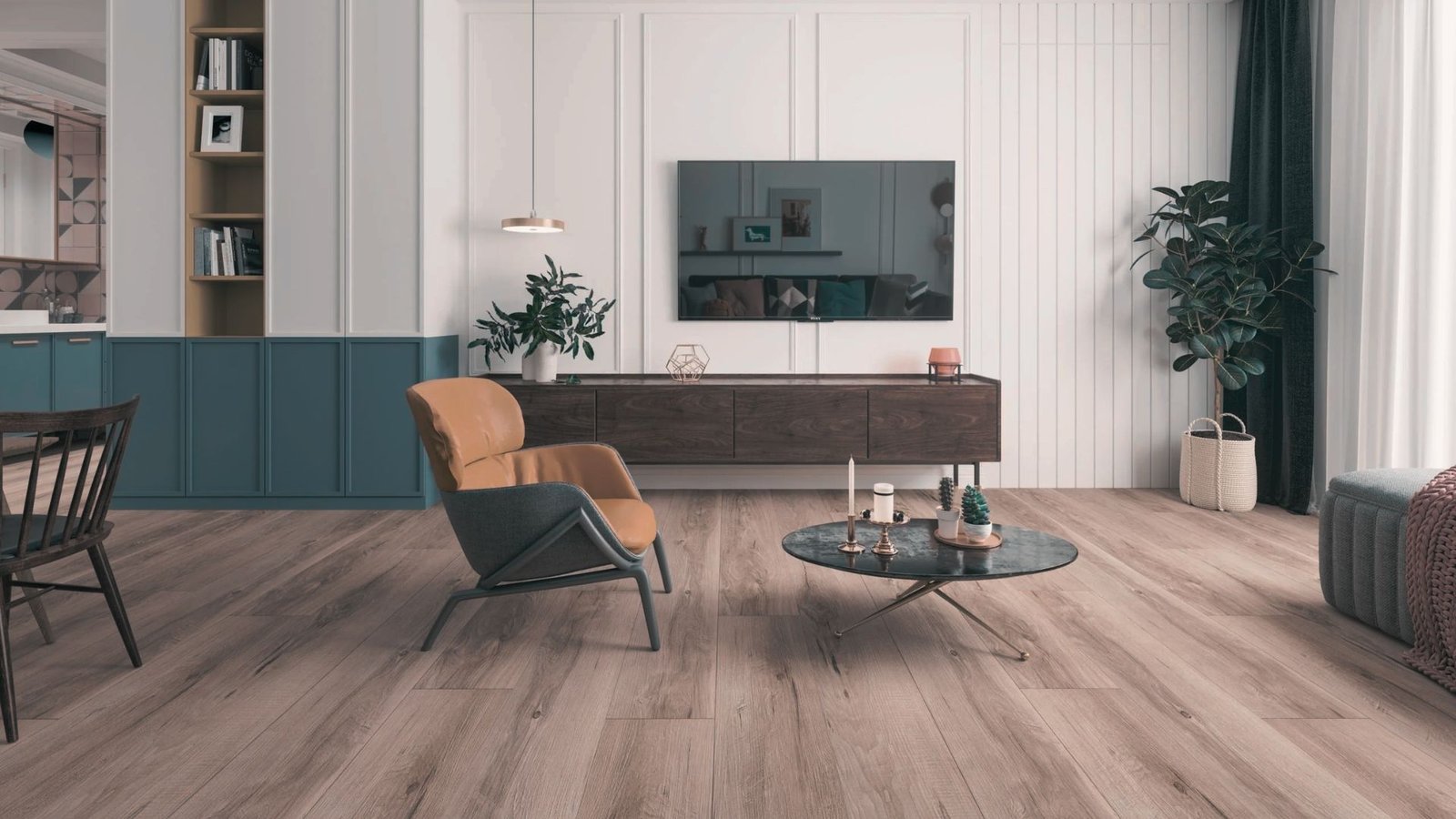
Luxury vinyl plank has become a popular flooring choice. Here is a look at what makes it a great option and where it falls short.
Biggest Advantages
Luxury vinyl plank looks very close to real hardwood and handles moisture well, making it a good fit for kitchens, bathrooms, and basements.
It holds up in high-traffic areas, resists scratches, and is easy to install with a simple click-lock system. It also costs much less than real wood or stone, making it a smart pick for budget-conscious buyers.
Potential Disadvantages
LVP is not scratch proof and cannot be refinished like real hardwood, so damaged planks usually need full replacement. It may not feel as premium underfoot, and extreme temperature changes can cause it to buckle or gap.
It also offers a lower return on investment compared to hardwood and is harder to recycle due to its plastic content.
Which Flooring Is Better for Your Home?
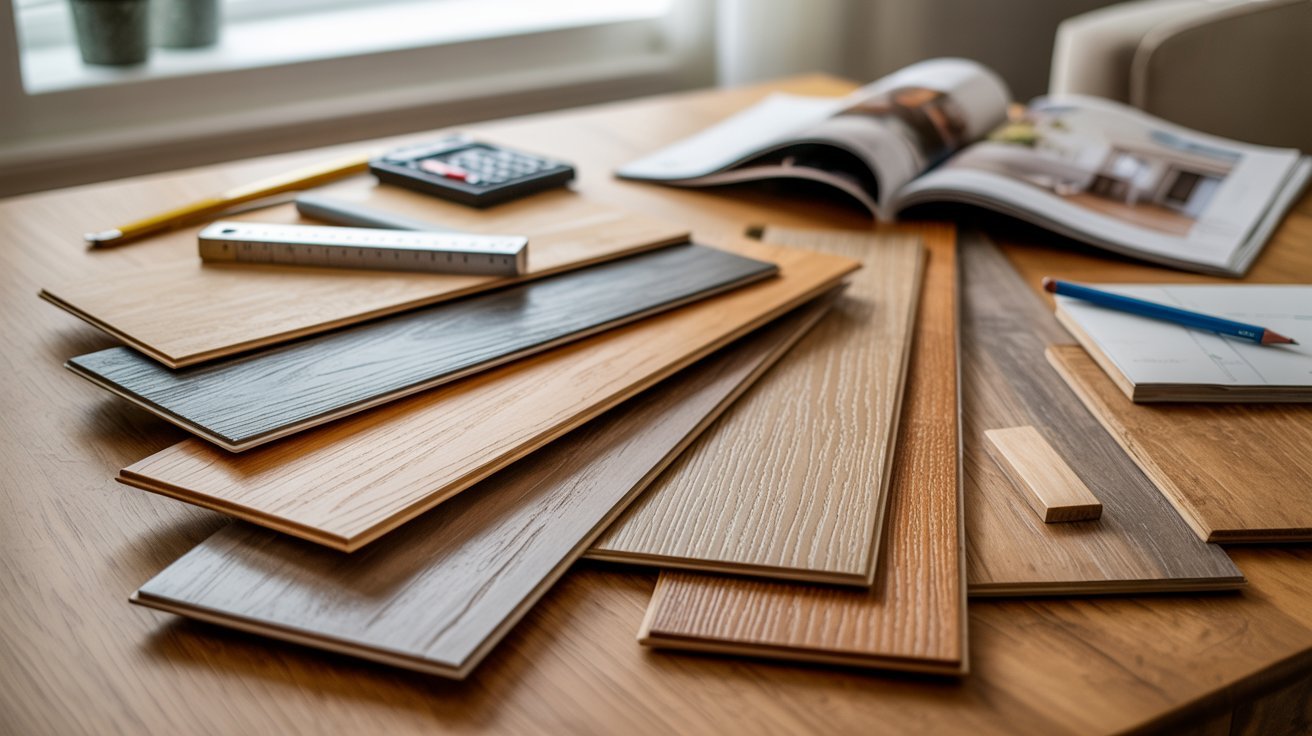
Choosing the right flooring can feel confusing. This guide breaks down your best options by room, lifestyle, and budget.
Best for Kitchens and Bathrooms
Kitchens and bathrooms deal with water every single day. So you need a floor that can handle spills, steam, and splashes without warping or staining.
Vinyl plank flooring is a top pick for both spaces. It is waterproof, easy to clean, and sits flat even in rooms with heavy moisture. It also stays comfortable underfoot, which matters when you spend a lot of time cooking or standing at the sink.
Ceramic or porcelain tile is another solid choice. It does not absorb water at all. Grout lines can be a small downside since they trap dirt, but sealing them regularly keeps things clean.
Avoid hardwood in these rooms. Even treated wood can swell or crack over time when it soaks up too much moisture.
Best for Pets and High-Traffic Areas
Pets scratch. Kids run. Guests walk in with muddy shoes. Your floors in these areas need to be tough.
Luxury vinyl planks handle pet claws better than most materials. It does not scratch as easily as hardwood, and it cleans up fast when accidents happen. Many homeowners with dogs or cats swear by it.
Laminate flooring is another durable option. It resists scratches and scuffs well. Just make sure you get a version with a thick wear layer if your home sees a lot of foot traffic.
Tile also works great in high-traffic spots. It is nearly impossible to wear down. The downside is that it feels hard and cold, so it may not be the most comfortable choice for living rooms or bedrooms.
Real hardwood looks great but needs more care. Pets and heavy foot traffic will leave marks on it over time, so keep that in mind.
Best Budget-Friendly Option
You do not have to spend a lot to get a good looking, long-lasting floor.
Laminate flooring gives you the look of wood or stone at a much lower cost. It is one of the most affordable options on the market. Installation is also simple, which can save you money on labor if you go the DIY route.
Sheet vinyl costs even less. It comes in rolls and covers large areas without seams. It is soft underfoot, water resistant, and very easy to maintain.
Peel and stick vinyl tiles are the cheapest option of all. They work well for rental spaces or rooms where you want a quick fix without spending much.
If you are on a tight budget, laminate and sheet vinyl give you the most value for your money. They both hold up well and do not require much upkeep over time.
Quick Tips to Pick the Right Flooring for Your Home
Start with the room, not the trend. Think about how you actually use the space before choosing any floor.
- Match the floor to the function. Wet rooms need waterproof materials. High traffic areas need scratch resistance. Budget spaces need low maintenance options.
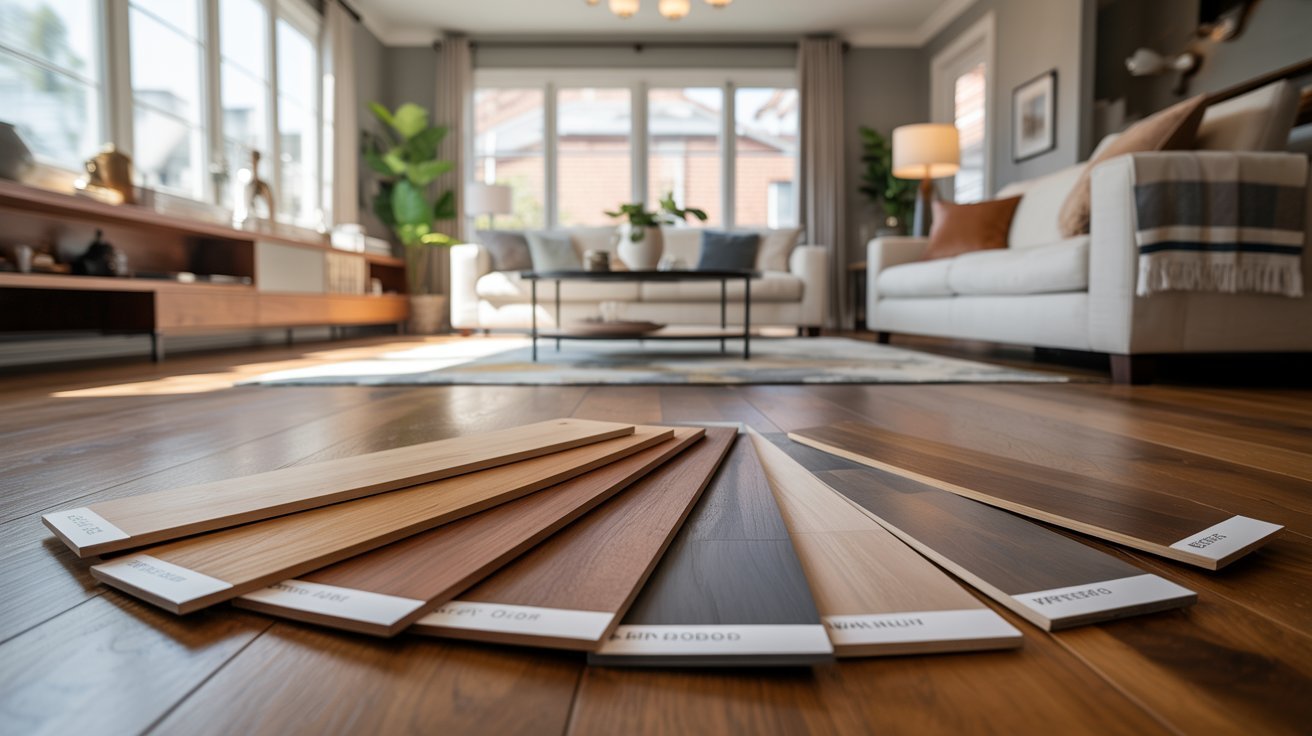
- Get samples first. Lay them on your actual floor and live with them for a day or two before deciding.
- Do not forget the subfloor. A good base makes any flooring last longer and feel better underfoot.
- Always buy a little extra. Having spare planks or tiles on hand saves you stress if something gets damaged later.
- Check the warranty before you buy. A longer warranty usually means better quality and gives you peace of mind down the road.
Conclusion
Picking the right flooring honestly changed how my home felt day to day. Once I stopped guessing and matched the floor to the room, everything just worked better.
You do not need to overthink it. Start with one space, think about how you use it, and go from there. Small choices like this make a real difference in your daily life.
Got a flooring win or a lesson learned the hard way? Drop it in the comments. I would love to hear what worked for you.
Frequently Asked Questions
What is the best flooring for a kitchen or bathroom?
Vinyl plank and ceramic tile work best in kitchens and bathrooms. Both handle water well and are easy to clean on a daily basis.
Is laminate flooring a good choice for homes with pets?
Laminate is a solid option for pet owners since it resists scratches and cleans up fast. Just pick one with a thick wear layer for better durability.
Which flooring option is the most budget-friendly?
Sheet vinyl and laminate are the most affordable flooring choices available. Both look good, last well, and do not need much maintenance over time.
Can I install flooring on my own to save money?
Yes, laminate and peel and stick vinyl tiles are both beginner-friendly and easy to install. Doing it yourself can cut down your overall costs by a good amount.
How do I choose the right flooring for high-traffic areas?
Go for luxury vinyl plank or tile in spaces that see a lot of daily use. Both are tough, long-lasting, and hold up well under heavy foot traffic.