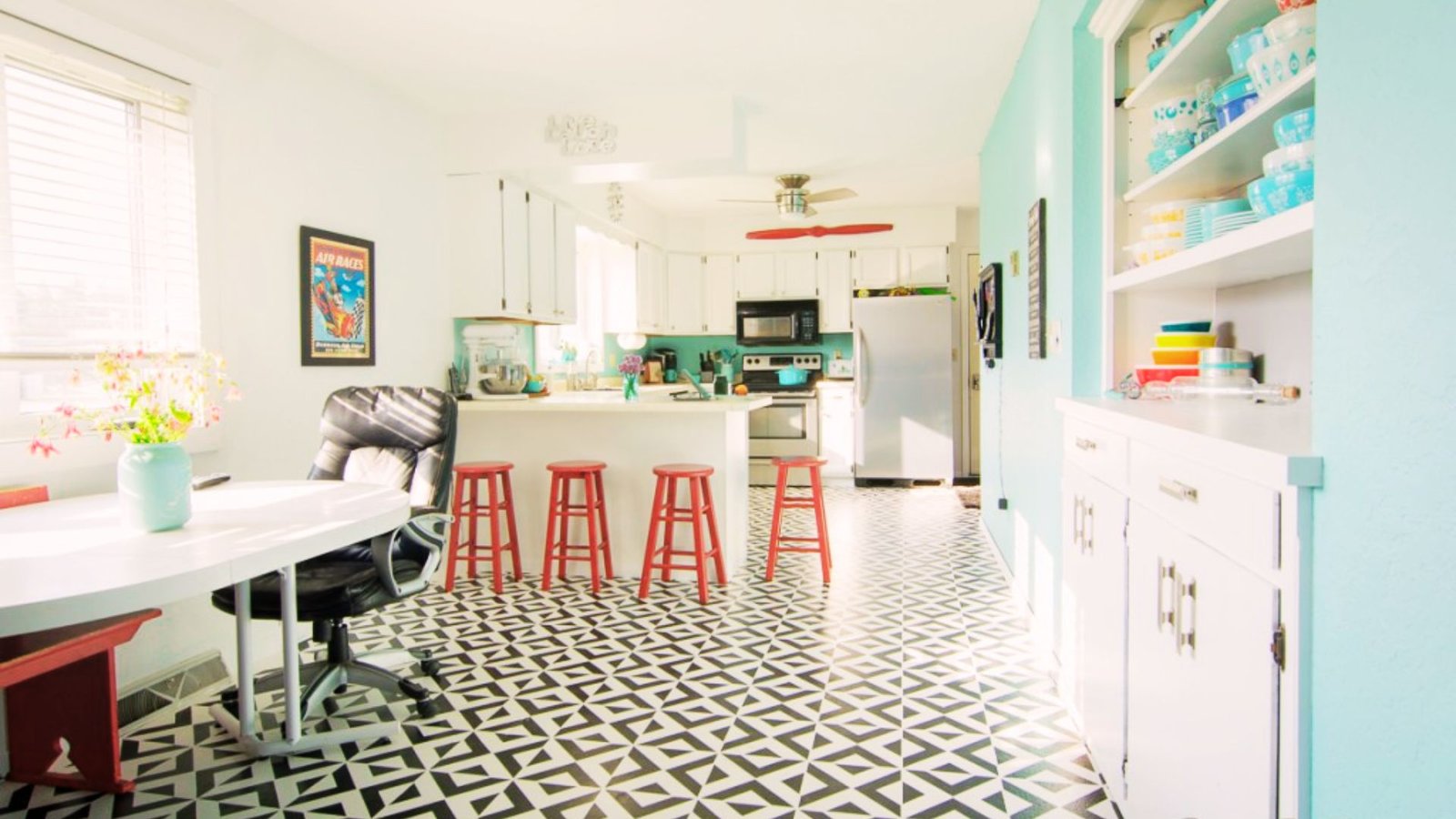

Painted linoleum floors can look great, but getting them right takes more than just a brush and some paint.
This guide covers everything you need to know. From applying thin coats to sealing the floor properly, I'll walk you through the steps that actually work.
I've seen firsthand how small mistakes, like rushing the cure time or skipping stencil prep, can ruin an otherwise solid job.
Here, you'll find simple, proven tips to avoid those mistakes.
Whether you're painting for the first time or fixing a previous attempt, this article will help you get a clean, lasting finish.
Can You Paint Linoleum Floors?

Yes, you can paint linoleum floors. It is a budget friendly way to refresh old or worn out flooring.
Linoleum holds paint well when you prepare the surface the right way. Use a latex or acrylic floor paint as it bonds well and holds up under foot traffic.
Clean the floor first, then sand it lightly, apply a primer, and paint in thin coats. Finish with a clear sealant to protect the surface.
With proper care, a painted linoleum floor can last two to five years.
Painted Linoleum Floor Ideas
Painted linoleum floors are a budget friendly way to refresh any room with color, pattern, and personality.
Black and White Stencil Floors
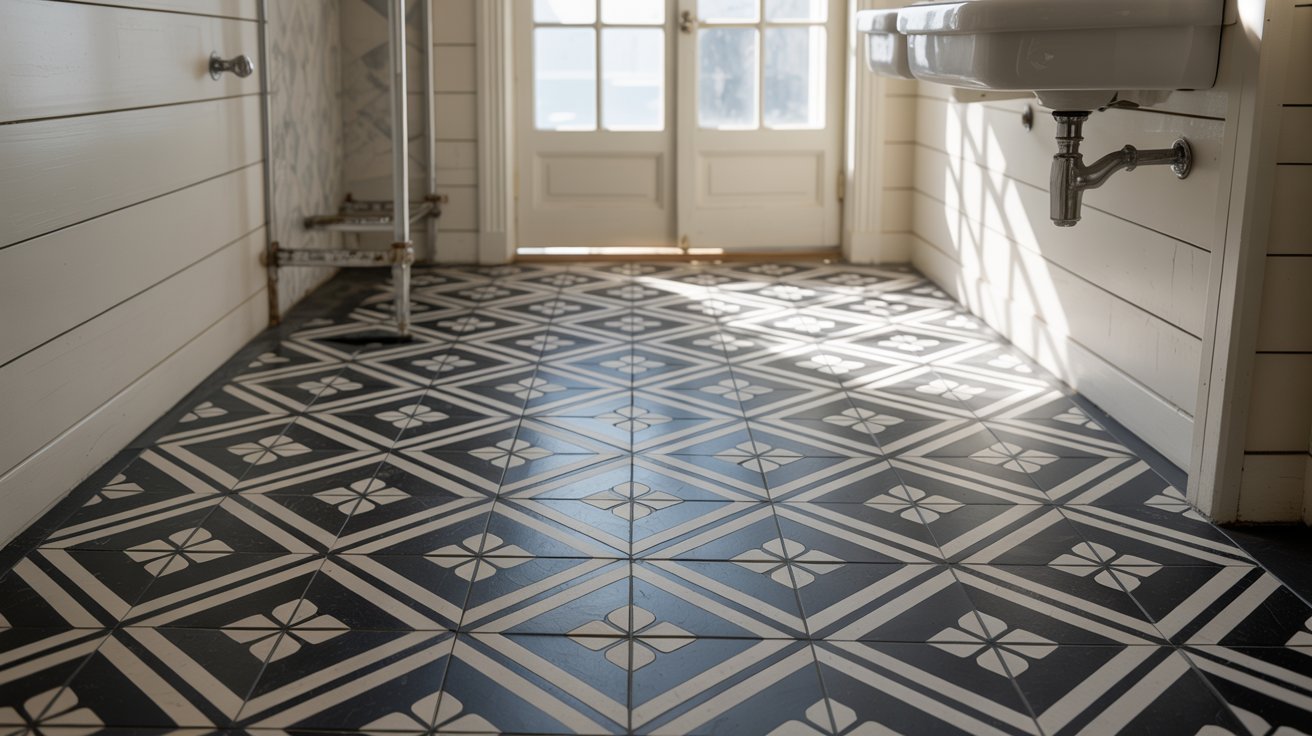
Black and white stencil floors bring a clean, timeless look to any space. The contrast between both colors makes the floor look sharp and well planned. This style works great in kitchens, bathrooms, and entryways.
Use a simple tile stencil to create a checkerboard effect. Apply a white base coat first, let it dry, then use a foam roller to apply black paint over the stencil. Work in small sections to keep the pattern even.
Seal the finished floor with a clear floor coating to protect your work. With a little patience, the floor can look like it was done by a pro.
Farmhouse and Vintage Designs

Farmhouse and vintage floor designs bring a warm, lived in feel to any room. Soft colors like cream, sage green, dusty blue, and warm gray work best for this style. They pair well with wood furniture and natural fabrics.
A faded checkerboard in two soft tones gives an older, worn look that fits the farmhouse style. Lightly sanding certain areas after the paint dries adds a natural, vintage feel. This makes the floor look like it has been there for years.
Finish with a matte or satin sealer to keep the look soft and natural rather than shiny.
Modern Neutral Floor Patterns
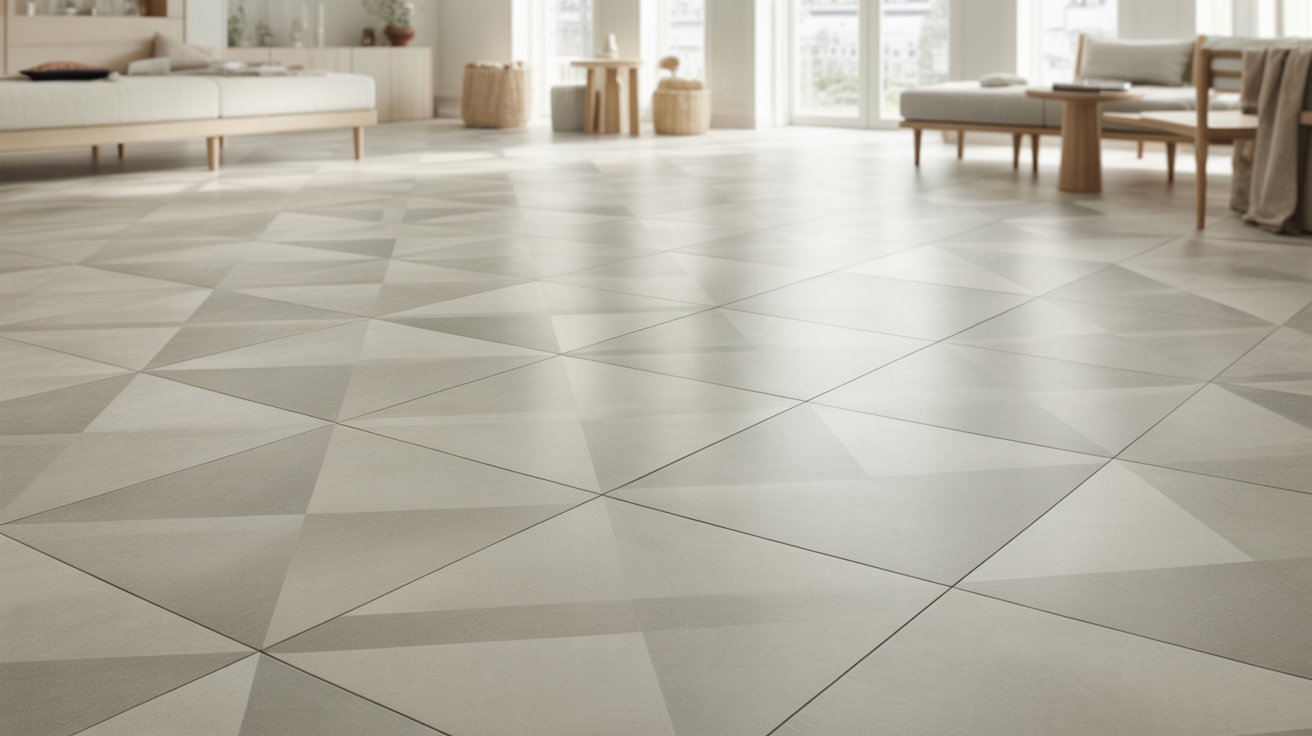
Modern neutral floors use tones like white, gray, beige, and soft black for a clean look. Geometric patterns like hexagons, diamonds, and grid lines are very popular right now. These designs feel current without being too bold.
Try a two tone combination like light gray and white or beige and charcoal. Neutral floors hide everyday dirt well and match most furniture styles without effort. Think about room size before picking your pattern.
Always finish with a high traffic floor sealer to keep the paint from chipping or scratching over time.
Before and After Linoleum Floor Makeovers

See how old, worn linoleum floors got a fresh new look in real homes with simple updates that made a big difference.
Bathroom Makeover
Old linoleum in bathrooms often looks yellow, cracked, or scuffed. It makes the room feel dirty even when it's clean. A simple floor update can change the whole look without a big budget.
Peel and stick vinyl tiles are a quick and affordable fix. Many homeowners swapped dull beige floors with bold patterns and saw a big visual change.
Sheet vinyl with a wood or stone look is another solid option. It keeps costs low and makes small bathrooms feel more open.
Hallway and Laundry Room Updates
Hallways wear out fast due to heavy foot traffic. Linoleum tends to crack, bubble, and stain near doorways over time. Luxury vinyl plank is a popular fix that snaps together easily and holds up well to daily use.
Laundry rooms face water spills and heavy appliances that cause old linoleum to bubble and lift. Water resistant vinyl flooring stays flat, cleans easily, and lasts much longer.
Both rooms are easy to overlook, but fresh floors make everyday use feel a lot better.
Can You Paint Linoleum Floors Without Sanding?
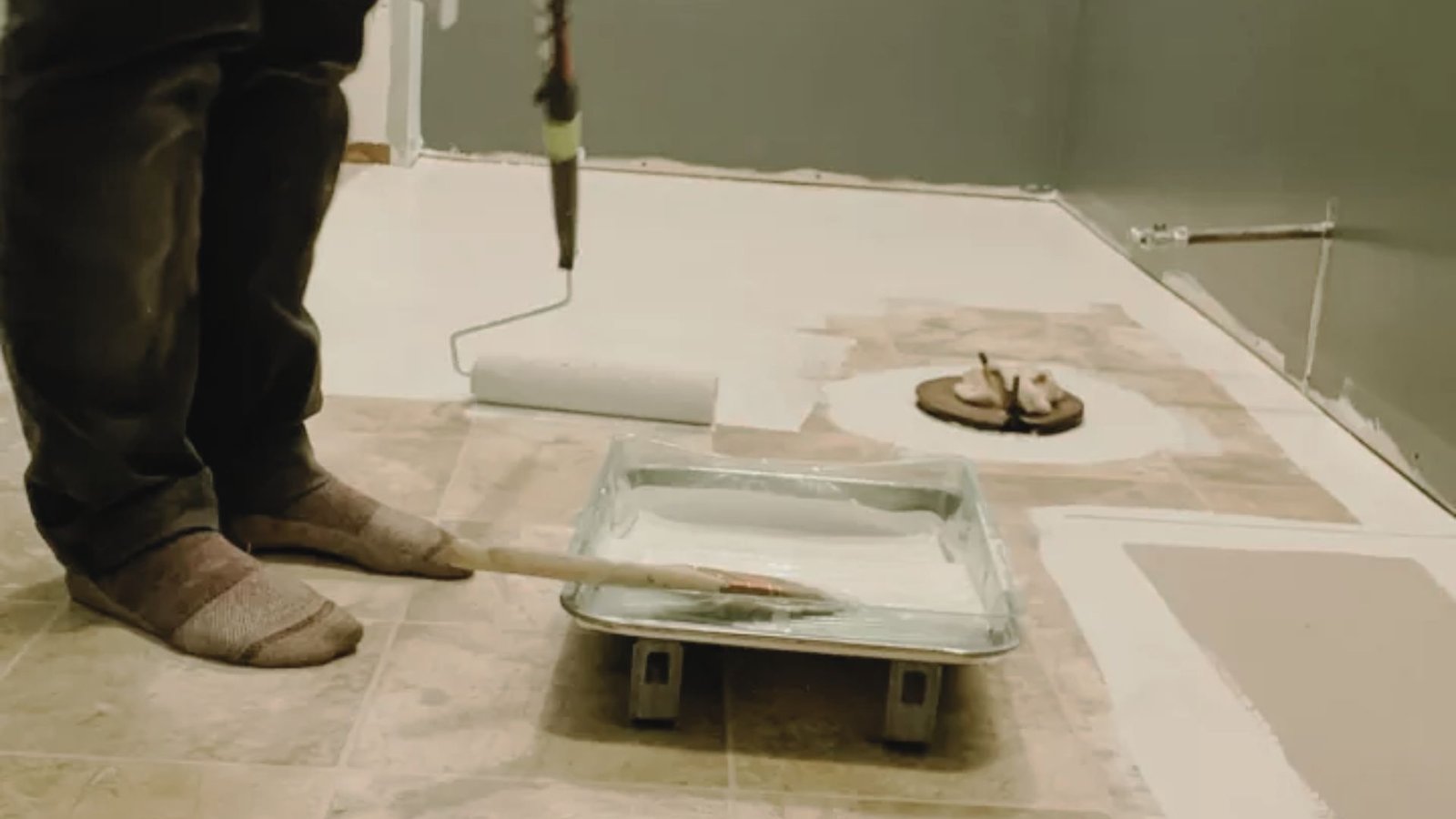
Yes, you can paint linoleum floors without sanding in most cases. The right method depends on your floor's condition and finish.
When Sanding Is Needed
Glossy or waxy floors do not hold paint well. A light scuff with 120 to 150 grit sandpaper helps paint stick better. It also removes old wax that can block paint from bonding.
Using a Deglosser Instead
A liquid deglosser dulls the surface without any scrubbing. Wipe it on with a cloth, let it dry, then apply primer and paint. It works best on clean floors that are in good condition.
How to Paint Linoleum Floors Like a Pro

Painting linoleum floors is a budget friendly way to refresh old floors without replacing them.
Clean and Prep the Floor
Clean the floor with a degreaser or warm soapy water to remove grease and wax. Rinse and let it dry fully.
Lightly sand the surface so the paint sticks better. Fill any cracks with floor filler, let it dry, then apply a coat of bonding primer.
Apply Paint and Stencils
Use floor paint or porch and floor enamel for durability. Roll on two thin, even coats and let each one dry fully.
For a pattern, secure a stencil with painter's tape and dab paint through it using a foam roller. Keep layers thin to avoid bleeding under the edges.
Seal with Polyurethane
Apply two to three thin coats of water based polyurethane once the paint is dry. Let each coat dry and sand lightly between layers.
Wait 24 to 48 hours before walking on the floor. Hold off on moving furniture back for a full week.
Common Mistakes to Avoid
Small mistakes during a painting project can waste your time and money. Knowing what to avoid makes the whole process much smoother.
Skipping Prep Work
Jumping straight to painting without prepping the surface is a recipe for peeling and bubbling. Clean the surface, fill any cracks, and sand rough spots first.
Good prep work is what makes paint stick and last.
Using the Wrong Paint
Not every paint works on every surface. Interior paint won't hold up outside, and wall paint will chip on wood furniture.
Always check the label and pick a product made for your specific surface.
Forgetting a Topcoat
Paint alone won't fully protect a surface from scratches and daily wear. A clear topcoat acts as a shield and keeps the color looking fresh for longer.
Once your paint is dry, always finish with a topcoat.
Tips for Better Painted Linoleum Floors
Getting painted linoleum floors right takes a little patience and the right approach from start to finish.
- Apply paint in thin, light coats instead of one thick layer. Thin coats dry faster and are less likely to crack or peel.
- Press your stencil firmly against the floor before painting. Any lifted edges allow paint to sneak underneath and ruin the design.
- Use a dry brush or dense foam dabber when working with stencils. Less paint on the tool means less bleeding under the edges.
- Remove the stencil slowly while the paint is still slightly wet. Waiting too long can cause the dried edges to tear.
- Let the floor cure fully before putting it back in use. Most floor paints need several days to harden, so avoid placing furniture or rugs too soon.
Conclusion
Painted linoleum floors can completely change how a room feels, and I truly believe anyone can pull this off with a little care. I made the mistake of rushing the cure time on my first attempt, and it showed.
Take your time with each step and the results will surprise you.
Got questions or tips of your own? Drop them in the comments below. And if this helped you, share it with someone planning to refresh their floors too!
Frequently Asked Questions
Can I paint over old linoleum floors without sanding?
Yes, you can. Lightly scuffing the surface with fine grit sandpaper helps the paint stick better and last longer.
What type of paint works best on linoleum floors?
Porch and floor paint or latex based paint works well on linoleum. Always apply a primer first for a stronger bond.
How many coats of paint does a linoleum floor need?
Two to three thin coats are usually enough. Let each coat dry fully before applying the next one.
How long should I wait before walking on a painted linoleum floor?
Wait at least 24 hours before light foot traffic. For best results, give the floor a full 72 hours to harden properly.
Do I need to seal a painted linoleum floor?
Yes, sealing is highly recommended. A clear floor sealer protects the paint from scratches, scuffs, and everyday wear.