
A dirt floor crawl space can quietly damage your home from the bottom up.
Moisture, mold, cold floors, and rising energy bills are all common signs something is wrong down there.
This guide will show you exactly how to fix it.
We cover the best insulation options, step-by-step best practices, and the most common mistakes to avoid. You will also learn when to call a professional.
We have helped many homeowners solve crawl space problems the right way, and we know what actually works.
By the end, you will have a clear plan to protect your home, cut energy costs, and breathe cleaner air.
Why Dirt Floor Crawl Spaces Need Insulation
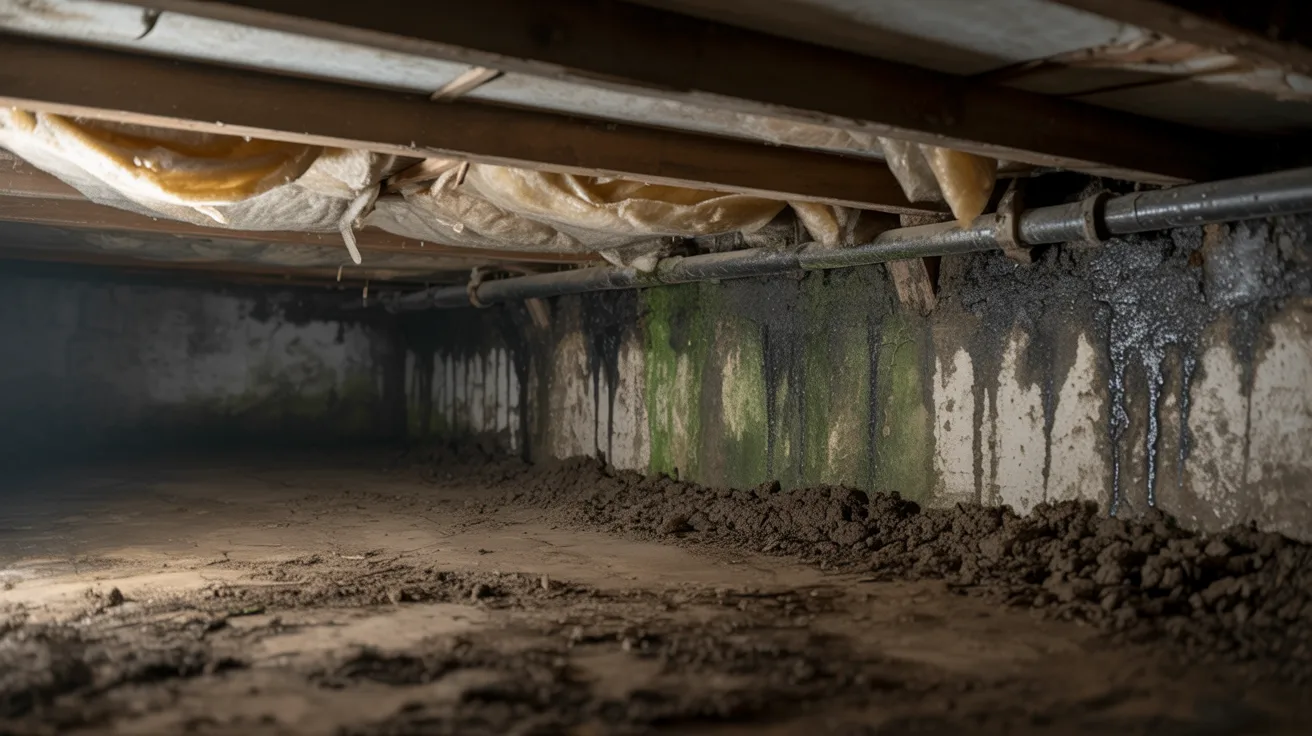
A dirt floor crawl space can cause real problems for your home if left untreated. Bare dirt constantly releases moisture into the air, which rises into your living space and leads to mold, wood rot, and poor air quality.
Cold air also collects in the crawl space and pushes up through your floors, making your home harder to keep warm.
This forces your heating and cooling system to work overtime, which shows up in higher energy bills every month.
On top of that, the moisture from the dirt floor slowly soaks into the wood beams and joists that support your floors, weakening them over time.
Insulating your crawl space, along with adding a vapor barrier, helps block moisture, keeps cold air out, and protects the structure of your home.
What Is the Best Insulation for a Dirt Floor Crawl Space?

Picking the right insulation for a dirt floor crawl space makes a big difference in comfort and energy costs.
Rigid Foam Board is a top choice. It resists moisture, lasts long, and works great along crawl space walls.
Closed-Cell Spray Foam seals air leaks and blocks moisture at the same time. It costs more but performs very well in damp spaces.
Fiberglass Batts are budget-friendly and fit between floor joists. Always pair them with a vapor barrier to avoid moisture issues.
Vapor Barrier is a must regardless of which insulation you pick. A thick plastic sheet over the dirt floor stops ground moisture from entering your home.
For most homeowners, rigid foam boards combined with a heavy-duty vapor barrier offer the best results without breaking the budget.
Best Practices for Insulating a Dirt Crawl Space
Insulating a dirt crawl space the right way keeps your home warmer, drier, and more energy-efficient all year.
Step 1: Fix Moisture and Drainage Issues First
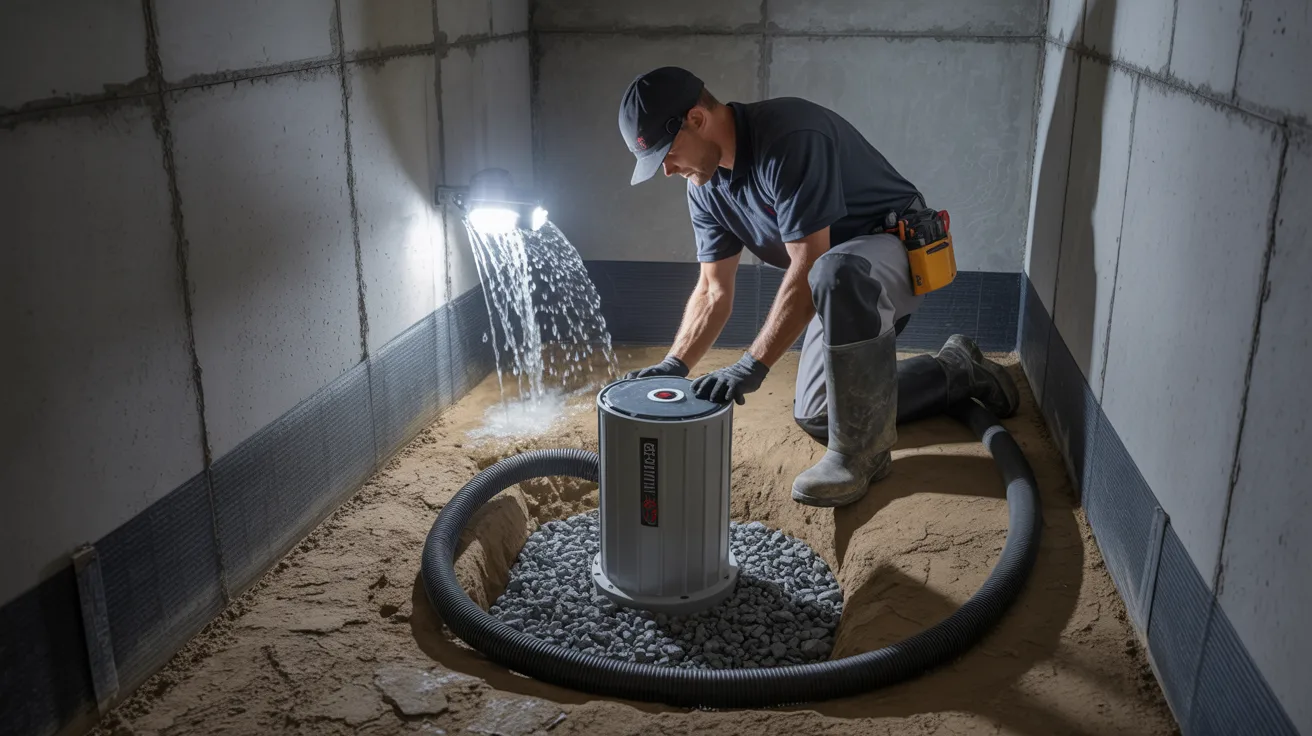
Before adding insulation, deal with moisture first. A wet crawl space will ruin insulation fast.
Check for standing water, damp soil, or wet walls. Make sure gutters direct water away from your foundation. If water keeps getting in, install a sump pump or French drain.
Skipping this step leads to mold, wood rot, and bigger problems down the road.
Step 2: Install a Heavy-Duty Vapor Barrier

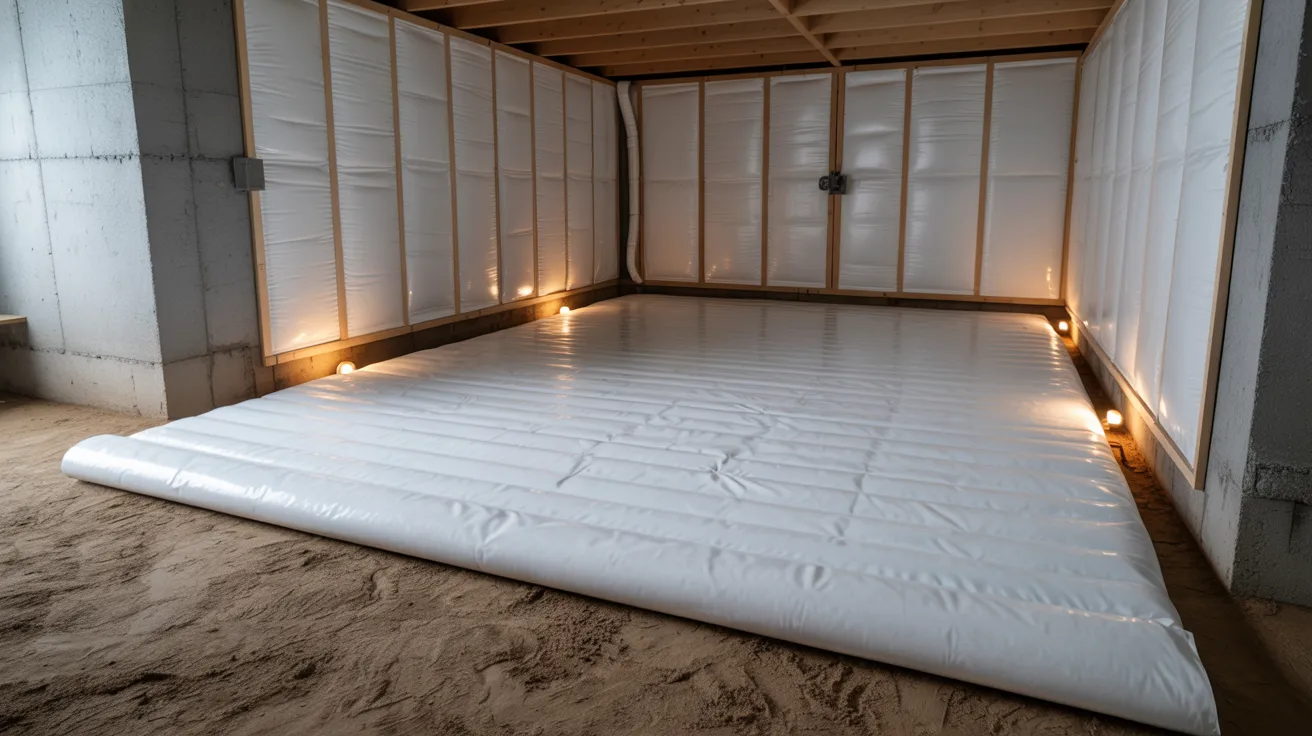
A vapor barrier blocks ground moisture from rising into your crawl space. Use a plastic sheet that is at least 6 mil thick. Many pros recommend 10 to 20 mil for better durability.
Cover the entire dirt floor. Overlap seams by 12 inches, tape them down, and run the barrier up the walls. No gaps, no loose edges.
Step 3: Seal Vents and Air Leaks

Close off open crawl space vents with foam covers or cut rigid insulation. Use spray foam around the edges to seal gaps.
Also check around pipes and wires for air leaks. Cold air slipping through small openings raises heating bills and lets in outside humidity.
Step 4: Insulate Crawl Space Walls
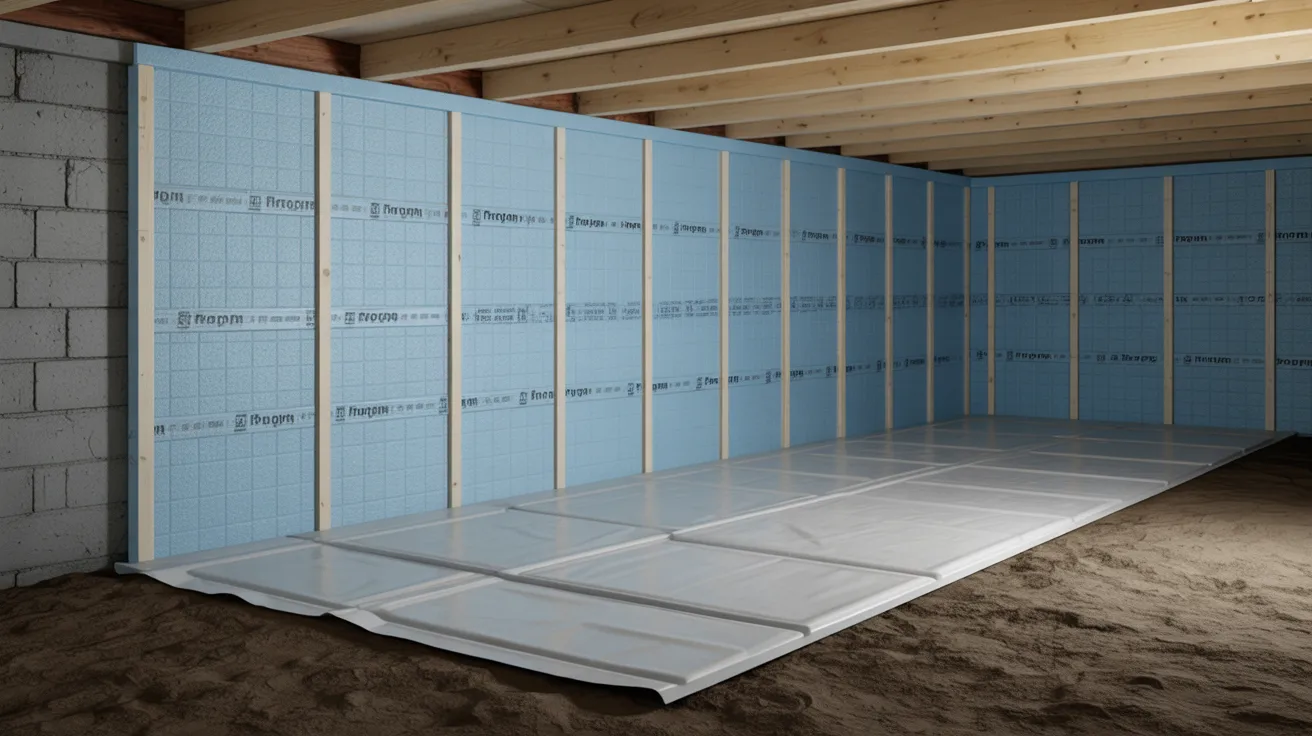
Rigid foam board works well for crawl space walls. It handles moisture and delivers a solid R-value. Spray foam is another option since it fills gaps and acts as an air barrier too.
Run insulation from the top of the wall down to connect with the vapor barrier at the base. Always check local building codes for minimum R-value requirements in your area.
Benefits of Proper Crawl Space Insulation
Good crawl space insulation keeps your home comfortable, saves energy, and protects it from moisture damage.
- Lower Energy Bills Proper insulation stops heat from escaping through your floors. Your heating and cooling system works less, and your energy bills drop.
- Warmer Floors Cold floors in winter usually mean poor crawl space insulation. The right insulation keeps your floors warmer and more comfortable.
- Better Air Quality A poorly insulated crawl space lets in outside air, moisture, and mold. Good insulation blocks that and keeps your indoor air cleaner.
- Moisture and Mold Control Insulation paired with a vapor barrier keeps moisture out. This protects your wood and structural supports from rot and mold.
- Pest Prevention Uninsulated crawl spaces give pests an easy way in. Sealing and insulating the space helps keep insects and rodents out.
Common Crawl Space Insulation Mistakes
Avoiding these common insulation mistakes can save you from high energy bills and costly repairs later.
1. Skipping a Vapor Barrier
Many homeowners focus only on insulation and forget about moisture control. Without a vapor barrier on the ground, moisture rises from the soil and gets trapped under the house. This leads to mold, wood rot, and damaged insulation over time.
Always lay a plastic vapor barrier on the crawl space floor before adding insulation.
2. Using the Wrong Type of Insulation
Not all insulation works well in a crawl space. Fiberglass batts, for example, absorb moisture easily in damp conditions. This causes them to sag, lose their effectiveness, and become a breeding ground for mold.
Rigid foam board or spray foam tends to hold up much better in wet environments.
3. Leaving Air Gaps and Unsealed Cracks
Insulation only works when it fits tightly against surfaces. Gaps around pipes, vents, or walls let cold air sneak through and reduce performance.
Seal all cracks and openings before installing insulation to keep air from moving freely.
4. Ignoring the Walls in an Encapsulated Crawl Space
Some homeowners only insulate the floor above and skip the foundation walls. In a sealed or encapsulated crawl space, insulating the walls is actually more effective than insulating the floor above.
Skipping the walls means you lose a large amount of conditioned air.
5. Not Checking for Existing Moisture Problems
Installing insulation over a wet or damp crawl space is a common mistake. Trapping existing moisture behind insulation speeds up wood decay and creates serious structural problems.
Always check for standing water, leaks, or high humidity levels before starting the project.
When to Hire a Crawl Space Professional
Some crawl space problems go beyond basic DIY fixes.
If you notice standing water that keeps coming back, mold growth, sagging floors, pest activity, or musty smells rising through your home, it is time to call a professional.
These signs point to deeper issues that need expert tools and knowledge to fix properly. Catching them early can save you from much bigger repair costs later.
Conclusion
Taking care of your crawl space is one of those things that is easy to put off but hard to ignore once problems show up.
I always say that a little attention early goes a long way. The right insulation and a good vapor barrier can keep your home warmer, drier, and healthier for years.
Start small, stay consistent, and do not hesitate to call a professional when needed.
Have questions or tips of your own? Drop them in the comments. We would love to hear from you!
Frequently Asked Questions
What is the best insulation for a crawl space with a dirt floor?
Rigid foam board paired with a heavy-duty vapor barrier gives you the best results for dirt floor crawl spaces.
Do I need a vapor barrier with crawl space insulation?
Yes, a vapor barrier is a must to stop ground moisture from rising into your home.
Can I insulate my crawl space myself?
You can handle basic insulation work yourself, but serious moisture or mold issues need a professional.
How thick should a vapor barrier be for a dirt floor crawl space?
Most experts recommend at least 6 mil thick, with 10 to 20 mil being the better option for durability.
How much does crawl space insulation cost?
Costs vary based on size and materials, but most homeowners spend between $1,500 and $4,000 for a full crawl space insulation project.