
A crack basement floor is more stressful than it looks. I have been there myself. That first crack made me worry about the whole foundation.
But here is the truth. Most cracks are fixable. You do not always need to spend a lot of money or call a pro.
In this blog, I will cover what causes cracks, how to repair them step by step, and how to stop them from coming back.
With years of home repair experience, I only share what actually works.
You are in the right place. Let us get straight to it.
What Does Crack in the Basement mean?

A crack in the basement forms when concrete shrinks, soil shifts, or the foundation settles over time.
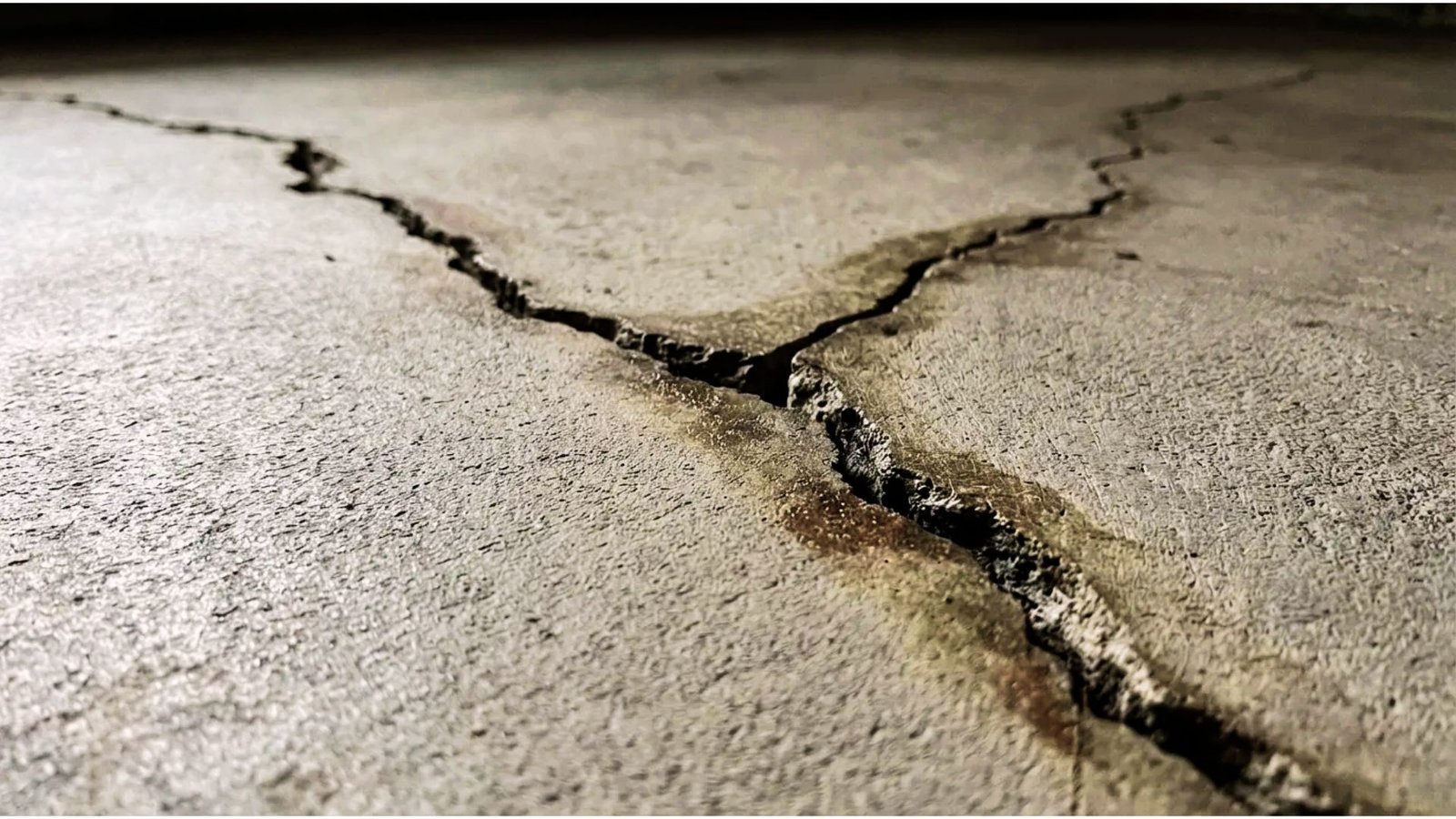
Hairline cracks are usually harmless. Vertical cracks may let in water and need sealing. Diagonal cracks point to uneven settling. Horizontal cracks are the most serious and signal pressure from soil or water.
If a crack is wide, growing, or leaking water, call a professional soon.
For minor cracks, epoxy injections work well. Keeping gutters clean and soil graded away from your home helps stop future cracks from forming
Is a Crack in the Basement Floor Normal?
Finding a crack in your basement floor can feel alarming. But not every crack means trouble. Some are harmless, while others need quick attention.
Hairline vs Serious Cracks

Hairline cracks are very thin and common. They form as concrete dries and settles after construction. These are mostly a cosmetic issue and can be sealed with a basic concrete filler.
Wider cracks, uneven edges, or stair-step patterns are more concerning. If one side of the crack sits higher than the other, soil movement may be the cause. Water seeping through a crack is also a warning sign you should not ignore.
Signs of Structural Damage
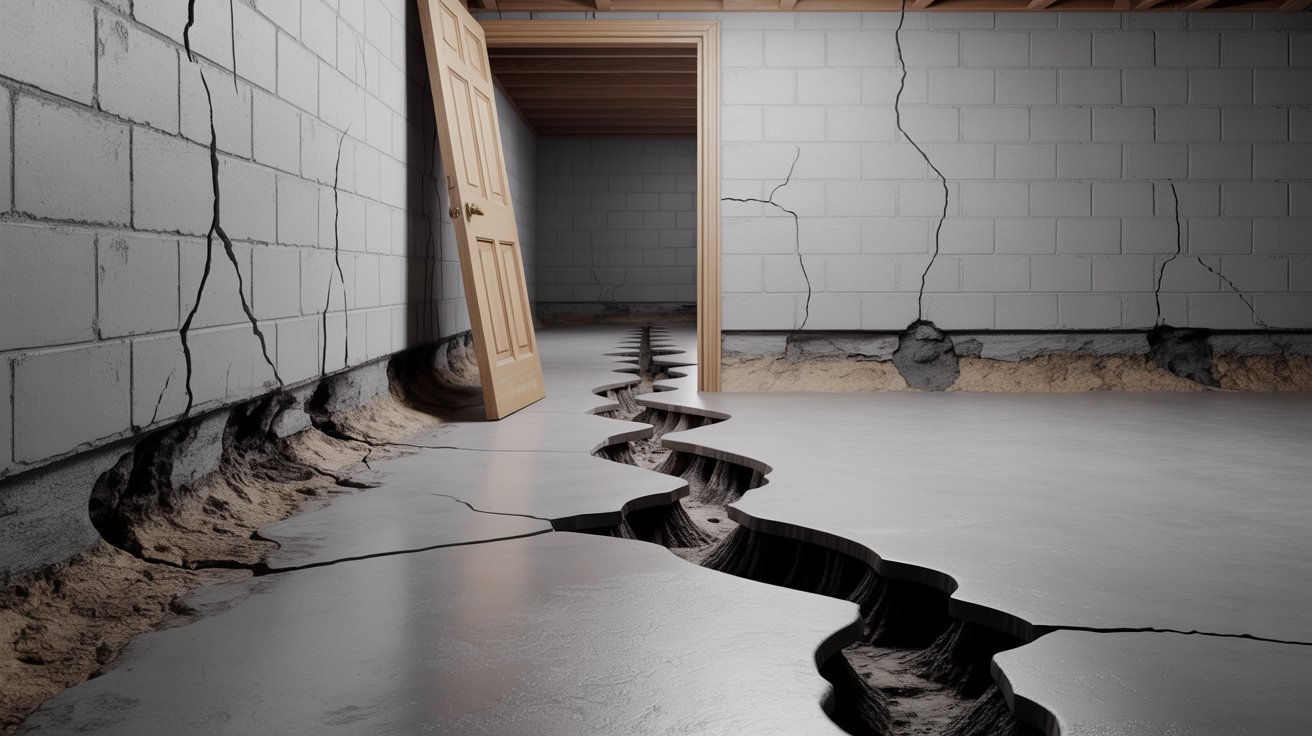
Some cracks point to deeper problems. Watch for cracks wider than 1/4 inch, uneven or raised floor sections, doors and windows that no longer close properly, and bowing basement walls.
If you spot any of these, call a foundation specialist. Early action saves money and stops the damage from getting worse.
Common Types of Basement Floor Cracks
Basement floor cracks are more common than most homeowners think. Each type tells a different story about what is happening beneath your home.
Hairline Cracks

These are thin, shallow cracks less than 1/16 inch wide. They form as concrete dries and shrinks. They are mostly harmless but can let in moisture over time.
Seal them early with a concrete filler or epoxy.
Large Cracks

A crack wider than 1/4 inch needs attention. Shifting or eroding soil beneath the slab is usually the cause.
Contact a foundation specialist to check if it is still growing and find the right fix.
Heaving Cracks

This is when one side of the floor rises higher than the other. Swelling clay soil or frozen ground pushes up against the slab.
It creates uneven surfaces and gets worse without professional repair.
Cracks Near Basement Walls

These form at the cove joint where the floor meets the wall. Water pressure from outside soil forces its way through this weak spot.
Adding interior drains or a sump pump can help manage the water and protect your foundation.
Why Basement Floors Crack
Basement floor cracks are more common than most people think. Here are the main reasons they happen.
Concrete Shrinkage

Fresh concrete holds a lot of water. As it dries, that water evaporates and the slab pulls inward. This shrinking creates tension inside the concrete.
When that tension gets too strong, the slab cracks. This is one of the most common causes of hairline cracks in new basement floors.
Foundation Settlement
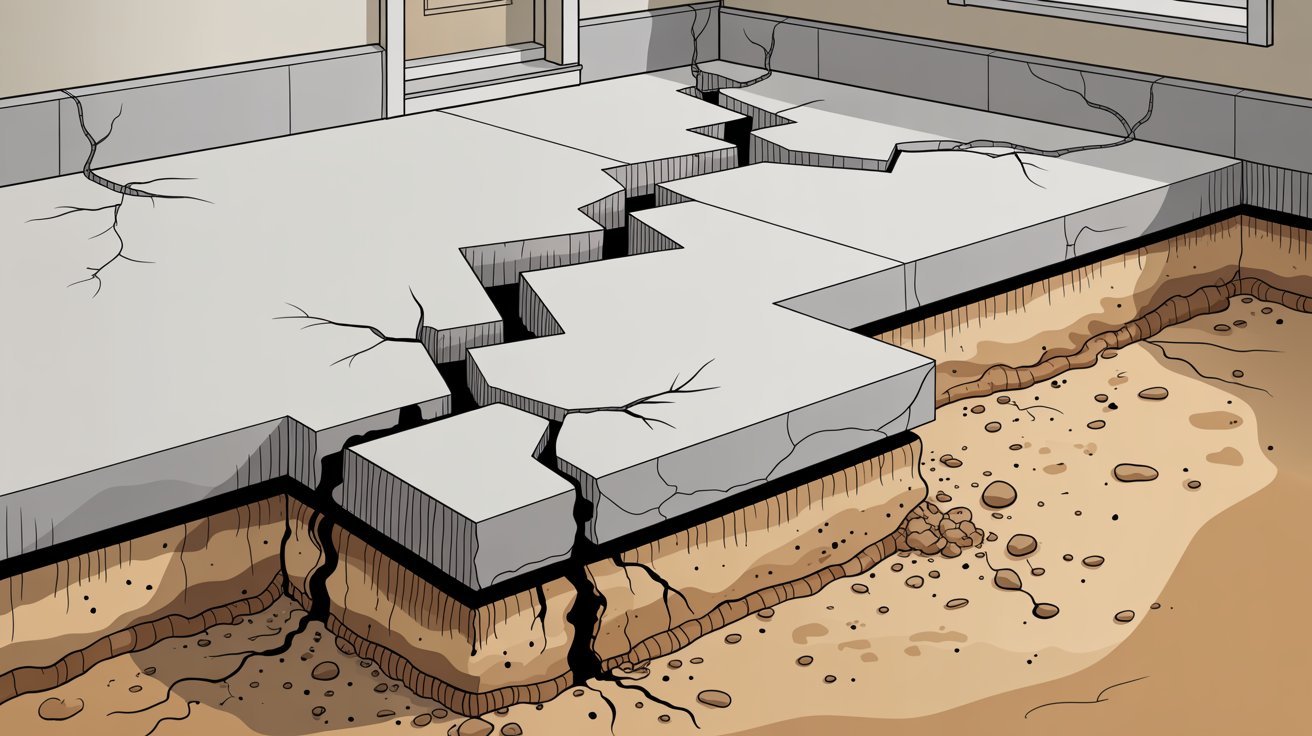
Over time, the soil under your home shifts. It can compress, dry out, or wash away in spots. When the ground moves unevenly, parts of the foundation drop lower than others.
This puts stress on the floor slab. Cracks then form where the pressure builds up the most.
Hydrostatic Pressure
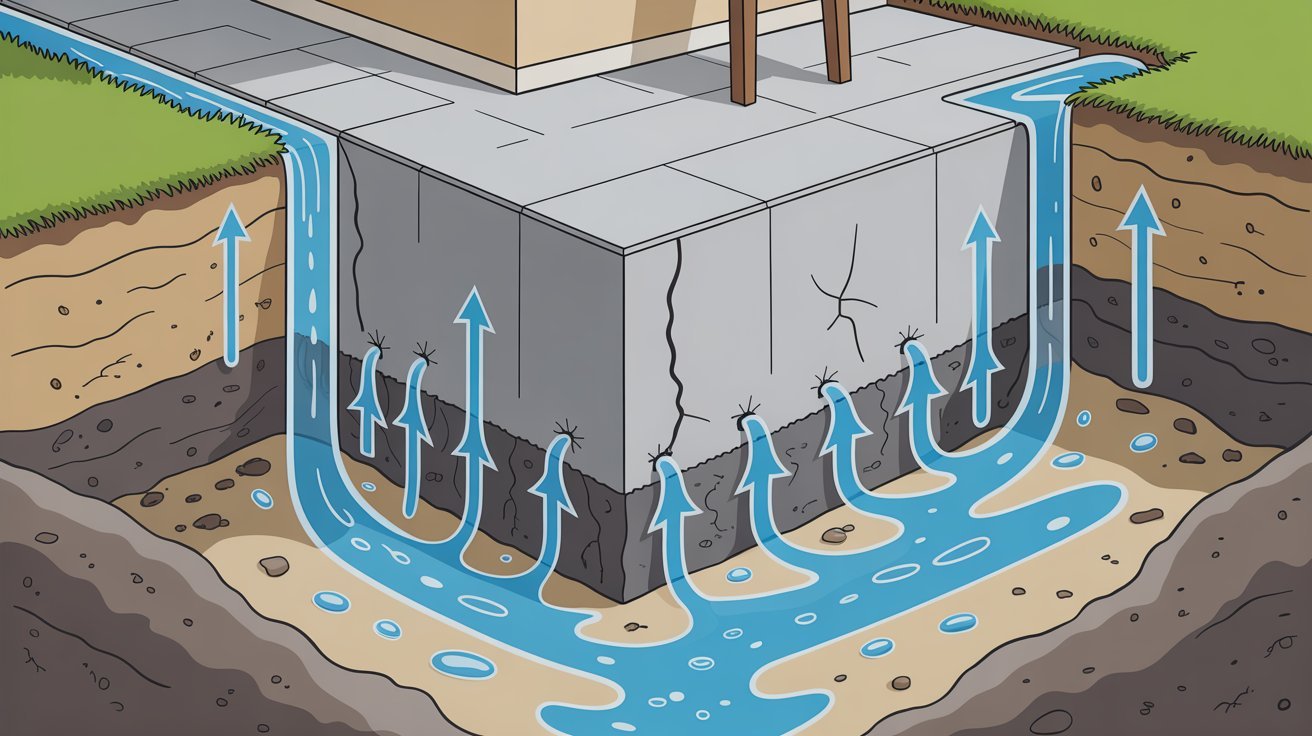
Water in the soil around your basement does not just sit still. It pushes against the walls and floor from all sides. When the ground gets saturated after heavy rain, that pressure increases sharply.
The floor slab can only take so much force before it gives way and cracks.
Poor Drainage
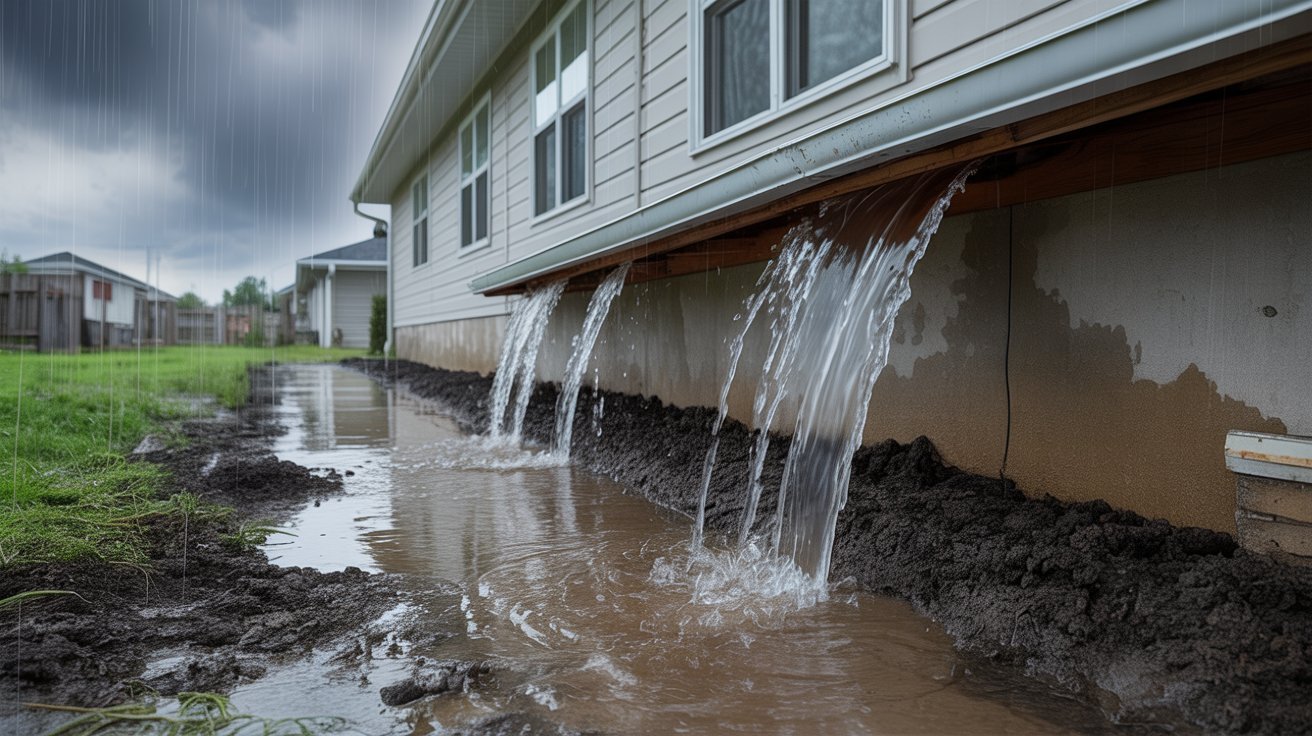
Water needs a clear path away from your home. If your yard slopes toward the house or your gutters dump water near the foundation, that water collects around the base.
Over time, it softens the soil and raises the pressure under the floor. This leads to cracks that can grow worse each season.
Crack in Basement Floor Leaking Water

A cracked basement floor letting in water can lead to bigger damage if left alone.
Water Coming Through Floor Cracks
Water can push up through floor cracks when soil outside holds too much moisture after rain or snowmelt. The pressure builds under the slab and forces water through any weak spot.
Even a small crack can let in a lot of water over time.
Moisture and Mold Risks
Small amounts of moisture raise humidity and create the right conditions for mold. Mold can start growing within 24 to 48 hours on damp surfaces.
It spreads fast and can cause breathing problems and costly repairs.
When Water Damage Becomes Serious
Concrete that stays wet starts to break down. Widening cracks, uneven floors, or sticking doors are warning signs.
Call a foundation specialist before the damage gets out of hand.
How to Fix Crack in Basement Floor

Acting early keeps small cracks from turning into costly repairs. Here is what you need to know.
How to Seal Basement Floor Cracks
Sealing works well for thin hairline cracks. Scrub the crack with a wire brush and vacuum out all debris. Let it dry fully.
Apply a polyurethane or epoxy filler with a caulk gun. Smooth it flat and let it cure before use.
Repair Options for Large Cracks
Cracks wider than 1/4 inch need a stronger fix. Use hydraulic cement for wide gaps. It sets fast and works even in damp conditions.
For extra strength, a two-part epoxy injection kit bonds both sides of the slab back together. Chisel the crack into a V shape first, clean it out, then press the product firmly into the gap.
When to Call a Professional
Call a pro if the crack is wider than half an inch or keeps growing. Other warning signs include water pushing up through the floor, heaving or sinking on one side, and diagonal cracks spreading from a single point.
A surface repair will not fix foundation movement. A foundation contractor can inspect the area and find the right solution.
How to Prevent Basement Floor Cracks

Basement floor cracks are common, but a few smart steps can help you stop them before they start.
Improve Drainage Around the Home
Water buildup around your foundation is a leading cause of basement floor cracks. Make sure gutters and downspouts push water at least six feet away from the house.
Check that the soil around your home slopes away from the foundation. If water pools near the base, consider adding a French drain or sump pump to move it away.
Control Basement Moisture
Humidity causes concrete to expand and contract, which leads to cracks over time. Use a dehumidifier to keep moisture levels below 60 percent.
Seal gaps around windows, pipes, and doors to block outside air. A waterproof sealant on basement walls adds another layer of protection.
Monitor Cracks Over Time
Mark the ends of any crack with a pencil and add the date. Check back every few weeks to see if it has grown.
Take photos to track changes. If a crack spreads past a quarter inch or water starts coming through, call a foundation specialist right away.
Tips for Crack Basement Floor
Simple tips to repair and protect your basement floor before small cracks turn into big problems.
- Check the crack before doing anything. Look at the size and depth. Hairline cracks are minor, but wide or deep ones may need more serious attention.
- Remove all dust, dirt, and loose concrete from the crack using a wire brush. A clean surface helps the repair material bond properly.
- Small cracks work well with a concrete patching compound. Wider or deeper cracks may need an epoxy injection for a stronger fix.
- After filling the crack, apply a waterproof sealant over it. This keeps moisture from seeping back in and making the problem worse.
- Check the repaired crack every few weeks. If it keeps growing or comes back, contact a foundation expert as soon as possible.
Conclusion
I remember the first time I spotted a crack in my basement floor. I panicked. But once I took a closer look and used the right materials, it was a much simpler fix than I expected.
A cracked basement floor does not have to stress you out. With a little patience and the right approach, you can handle it yourself.
Have you dealt with a crack basement floor before? Drop your experience in the comments below. I would love to hear how it went!
Frequently Asked Questions
What causes a crack in the basement floor?
A basement floor can crack due to soil shifting, water pressure, or concrete settling over time. Temperature changes also cause concrete to expand and contract, leading to cracks.
Is a crack basement floor dangerous?
A small hairline crack is usually not a safety concern. But a wide or growing crack can point to a foundation problem that needs professional attention right away.
Can I fix a cracked basement floor myself?
Yes, small to medium cracks can be fixed with a concrete patching compound or epoxy filler. Always clean the area first and follow the product instructions carefully.
How much does it cost to repair a crack basement floor?
A basic DIY repair can cost as little as $10 to $50 for materials. Hiring a professional for larger cracks can cost anywhere from $200 to $1,000 or more.
How do I stop my basement floor from cracking again?
Keep water away from your foundation by fixing drainage issues around your home. Applying a waterproof sealant after repairs also helps protect the floor from future cracking.