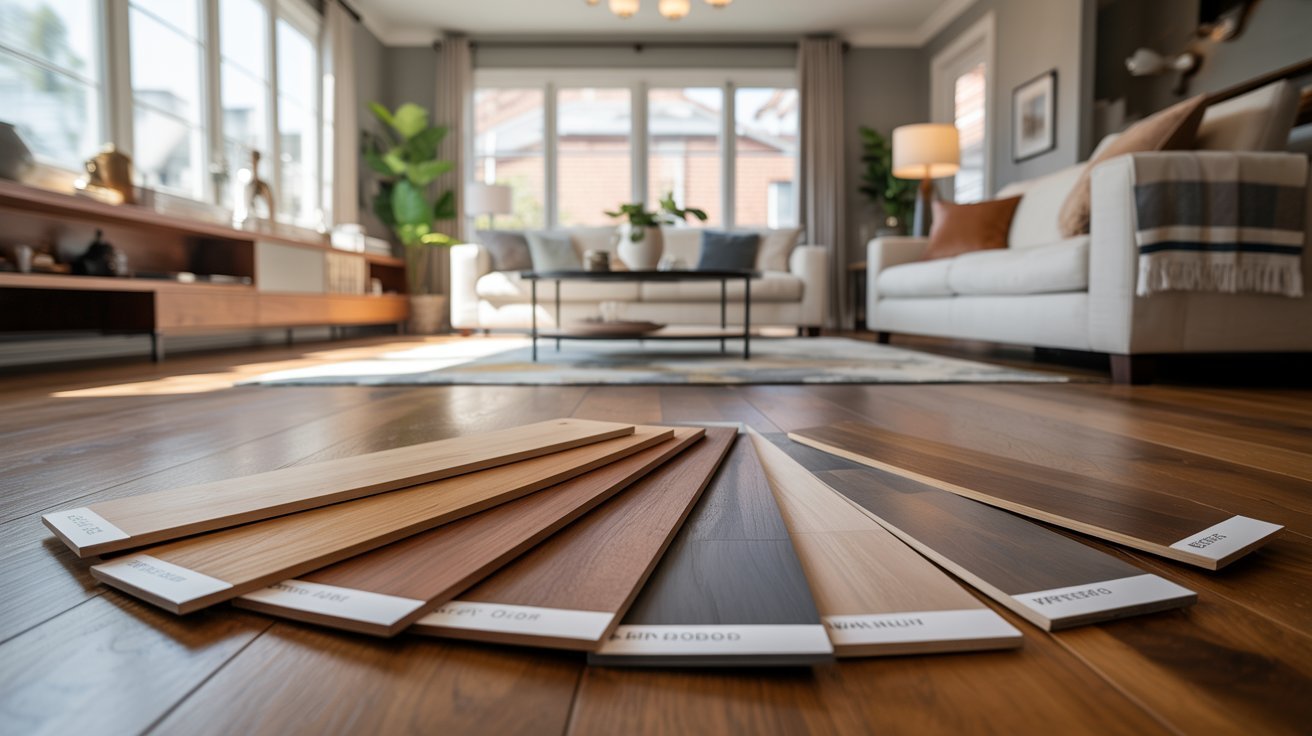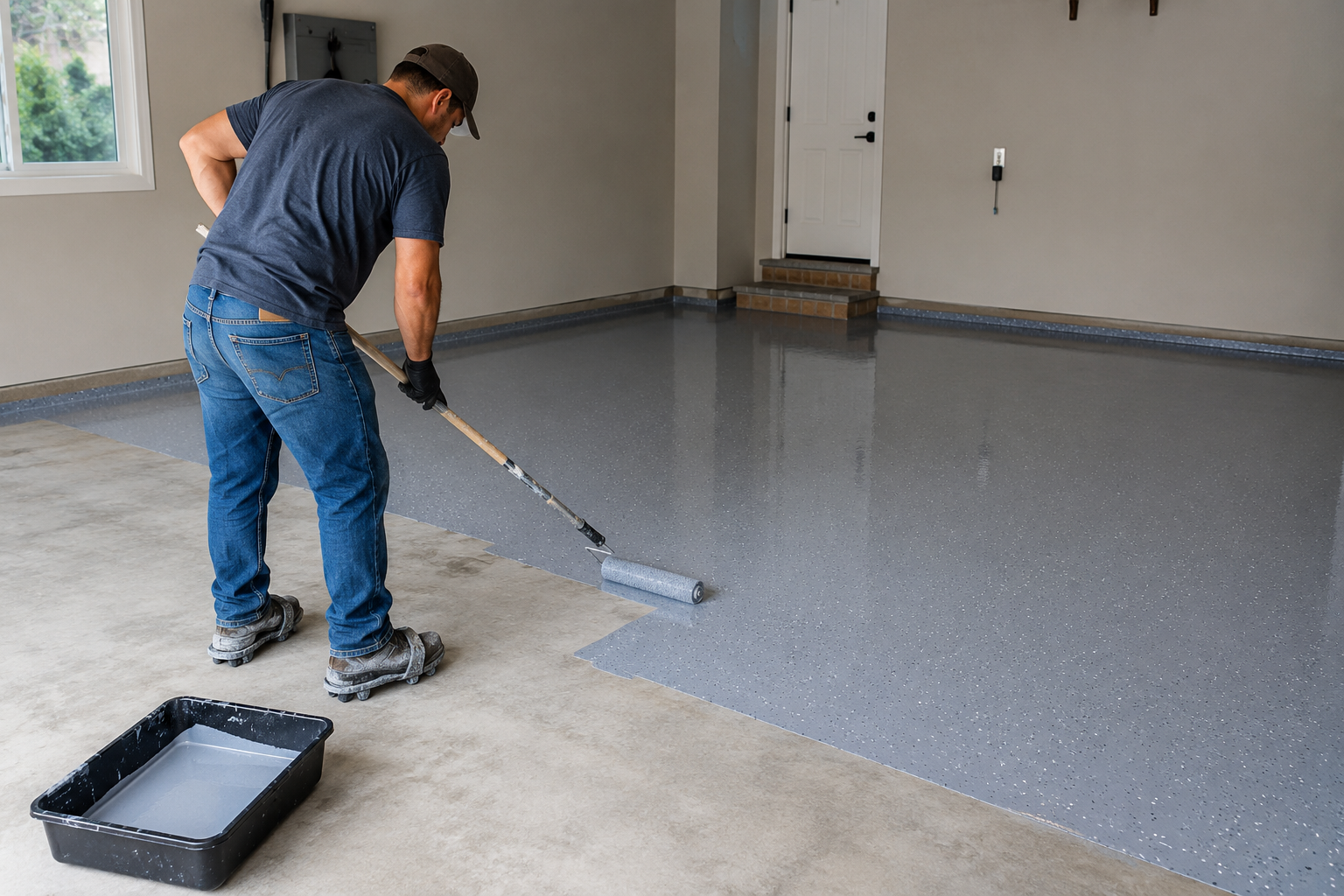

Epoxy flooring is one of those home upgrades that looks simple at first, but there is a lot to know before you install it.
How long will it last? Is it worth the cost? Can it handle daily wear in busy areas like garages, kitchens, or basements? These are the questions most homeowners want answered before making a decision.
In this guide, you will learn how long epoxy floors last in homes, what affects their lifespan, the pros and cons, maintenance tips, and what to realistically expect over time.
I’ve spent years researching flooring materials and seeing how different coatings perform in real homes, not just in showrooms.
My goal is to help you avoid costly mistakes and choose a floor that actually fits your space and lifestyle.
What Is Epoxy Flooring?
Epoxy flooring is a coating system applied directly over concrete.
It is made by mixing two parts together:a resin and a hardener. When these two parts combine, they create a chemical reaction that produces a hard, plastic-like surface.
This surface bonds tightly to the concrete underneath. The result is a floor that is much stronger than plain painted concrete. Most epoxy systems include a primer coat, a base coat, and a clear topcoat for added protection.
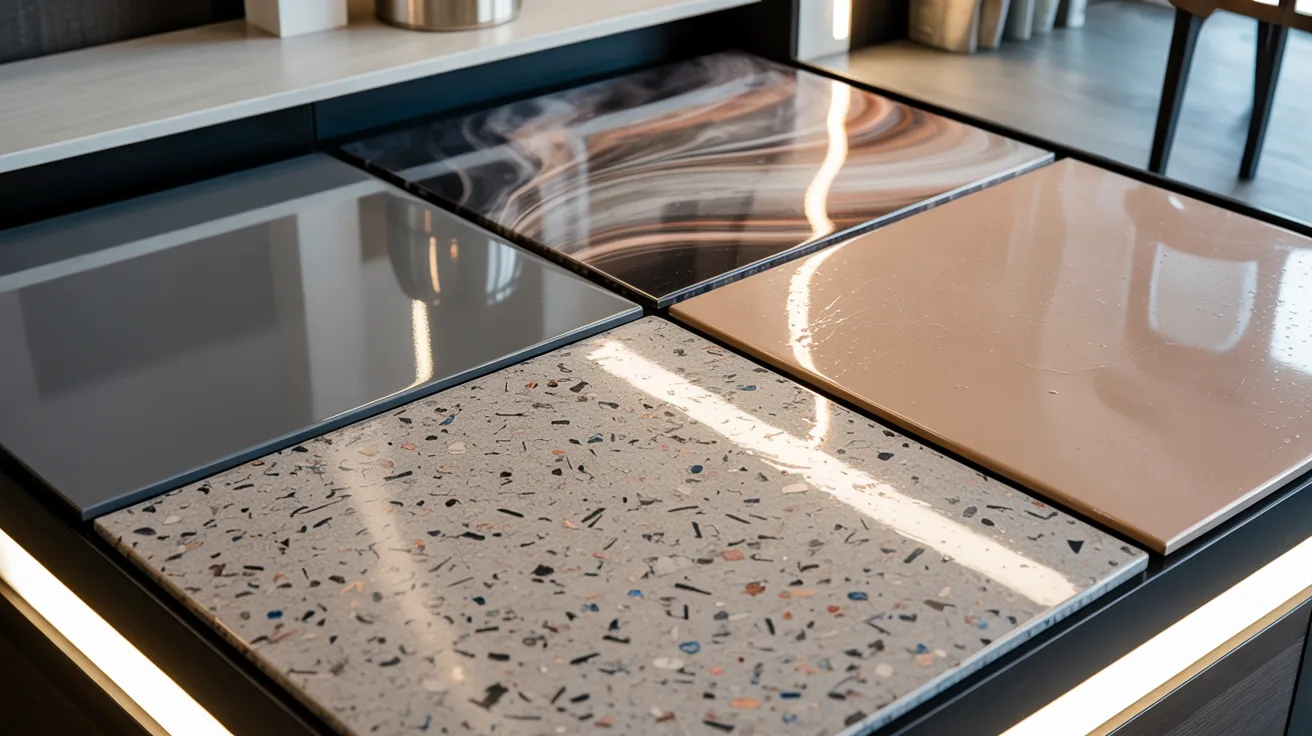
Epoxy comes in several types. Solid epoxy works well for garages and basements. Metallic epoxy is popular for decorative spaces. Flake or chip epoxy hides dirt well and suits gyms and workshops.
Water-based epoxy is easier to apply and good for DIY projects. Solvent-based epoxy bonds more strongly and suits heavy-use areas.
Epoxy floors are commonly used in garages, basements, laundry rooms, kitchens, and home workshops.
Advantages of Epoxy Floors in Homes

Epoxy flooring is popular in homes because it combines durability, low maintenance, and modern style in one surface.
Durable Surface for Heavy Use
Epoxy creates a strong surface that handles daily foot traffic, vehicle weight, dropped tools, and heavy storage without wearing down quickly. This makes it a popular option for garages, basements, and utility spaces.
Resists Scratches, Scuffs, and Pressure
Compared to many traditional floor coatings, epoxy holds up better against scratches, tire marks, scuffs, and surface pressure. The hardened coating helps protect the concrete underneath from damage.
Protects Against Oil and Chemical Spills
Epoxy flooring resists oil, grease, cleaning products, and many household chemicals. Since the surface is sealed, spills stay on top instead of soaking into the concrete, making cleanup much easier.
Easy-to-Clean Sealed Finish
Cleaning epoxy floors is simple because dust, dirt, and liquids stay on the surface. Regular sweeping and occasional mopping with a mild cleaner is usually enough to keep the floor looking clean.
No Grout Lines or Dirt-Trapping Gaps
Unlike tile flooring, epoxy creates a smooth and seamless surface. There are no grout lines, cracks, or rough textures where dirt, moisture, and debris can collect over time.
Wide Range of Design and Finish Options
Epoxy comes in many styles, including solid colors, decorative flakes, metallic finishes, and high-gloss coatings. Homeowners can customize the look to match modern, industrial, or decorative spaces.
Affordable Way to Upgrade Floor Appearance
Epoxy gives concrete floors a polished and professional appearance without the high cost of many premium flooring materials. It can improve the overall look of a space while staying budget-friendly.
Disadvantages of Epoxy Flooring

Surface Preparation Takes Time
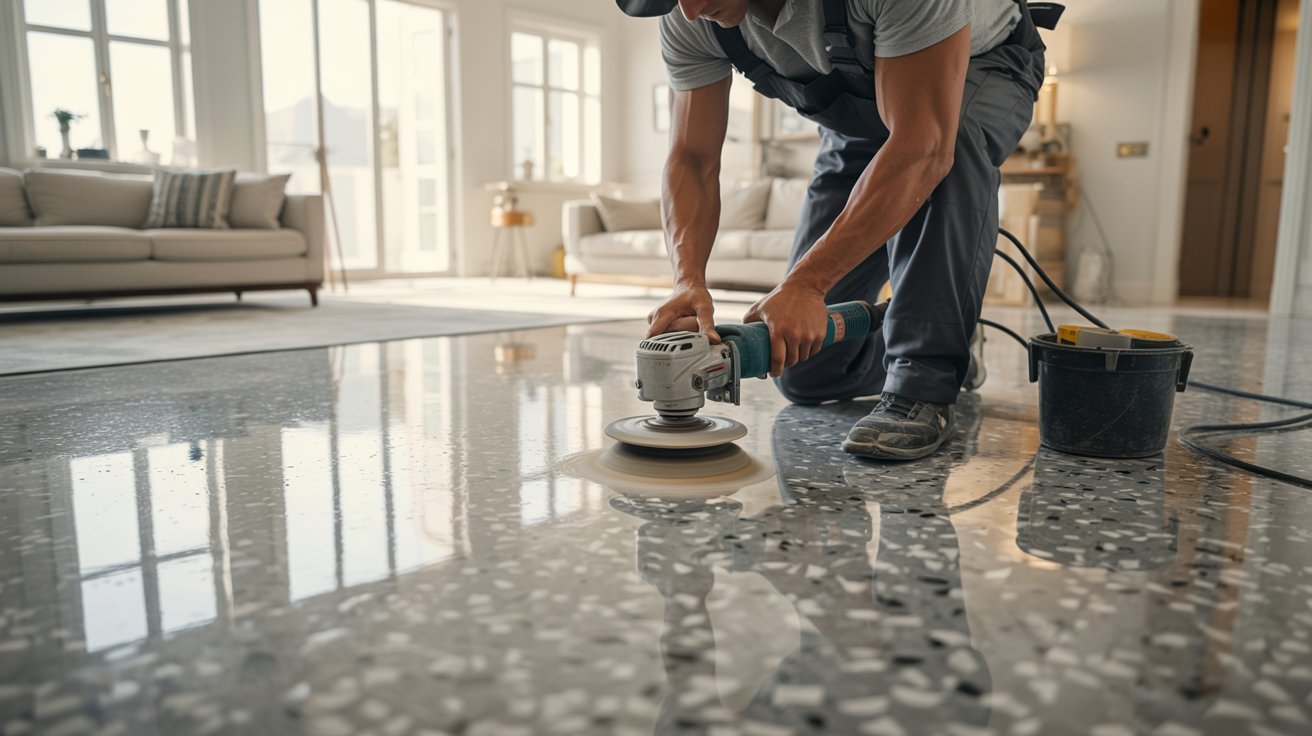
Concrete must be properly cleaned, repaired, and ground before epoxy is applied. This preparation process is one of the most important parts of installation and often takes longer than homeowners expect.
Poor Prep Can Cause Peeling and Failure
If moisture, dust, grease, or surface damage is left untreated, the epoxy may not bond correctly. Poor preparation can lead to peeling, bubbling, or premature coating failure.
Can Become Slippery When Wet
A smooth epoxy finish may become slippery when water, oil, or condensation is present. This can create safety concerns in garages, laundry rooms, and entryways.
Anti-Slip Additives Must Be Applied Correctly
Slip-resistant additives can improve traction, but they must be mixed into the coating during installation. Many DIY applications skip this step, which can reduce floor safety.
UV Exposure Can Cause Yellowing
Standard epoxy coatings may discolor or yellow over time when exposed to direct sunlight. Areas near windows or garage doors are often affected the most.
Repairs and Patches May Be Noticeable
If part of the coating chips or peels, repairs can stand out against the original finish. Matching the exact color, texture, and gloss level becomes harder as the floor ages.
Matching Older Epoxy Finishes Can Be Difficult
Over time, wear, fading, and sunlight exposure can slightly change the appearance of epoxy flooring. Because of this, patched sections may not blend perfectly with the surrounding floor.
How Long Do Epoxy Floors Last in Homes?

On average, residential epoxy floors last between 5 and 10 years. In low-traffic areas with good care, they can last up to 15 years or more. In high-traffic zones like garages or workshops, wear may show sooner.
Daily use plays a big role. Heavy foot traffic, dragging equipment, and chemical spills all speed up wear over time. A floor in a rarely used basement will naturally last longer than one in a busy garage used every day.
The quality of the installation matters just as much as how the floor is used. A well-prepared, properly coated floor will always outlast one that was rushed or done with low-quality products.
Factors That Affect Epoxy Floor Lifespan
Several things determine how long your epoxy floor will hold up.
Surface preparation is the biggest one. Poor prep leads to peeling and delamination early on. The concrete must be ground, cleaned, and completely dry before any coating goes down.
Coating thickness also plays a role. Thicker coats last longer than thin ones. Many DIY kits apply a very thin layer that wears through quickly under regular use.
The type of epoxy matters too. Solvent-based and 100% solid epoxy outlast water-based options by several years in most cases.
Moisture exposure is another major factor. Water getting under the coating causes bubbling and failure. Sunlight breaks down standard epoxy over time, causing color changes and surface degradation.
Heavy impacts from dropped tools or parked vehicles also cause chips and cracks that shorten the floor's life.
How Long Epoxy Floors Last by Area
Garage epoxy floors typically last 5 to 10 years. Vehicle traffic, tire pressure, and oil spills put constant stress on the surface.
Basement floors tend to last longer, often 8 to 15 years, because foot traffic is lighter. However, moisture is a bigger concern in basements and must be managed carefully.
Kitchen and laundry room floors usually last 5 to 8 years. Water exposure and regular foot traffic wear the surface down at a steady pace.
Home gym and workshop floors often last 4 to 8 years depending on how much heavy equipment is used and whether impacts are frequent.
Signs Your Epoxy Floor Is Wearing Out

Peeling and delamination are the clearest signs of failure. The epoxy is lifting away from the concrete. This usually means moisture got underneath or the prep work was not done properly.
Light scratches are normal, but deep ones that go through the topcoat mean the floor needs recoating soon. Leaving it too long allows wear to reach the base coat and the concrete below.
Fading or yellowing means the topcoat is breaking down. This is common in sunlit areas. The color looks dull or has shifted noticeably from the original shade.
Bubbles often point to moisture problems under the surface. Cracks may come from the concrete underneath shifting or settling over time.
Epoxy Flooring vs Other Flooring Options
Epoxy flooring stands out for its durability, seamless finish, and low maintenance, but comparing it with other flooring options helps homeowners choose the best fit for their space, budget, and lifestyle.
| Flooring Type | Lifespan | Cost | Maintenance | Best For |
|---|---|---|---|---|
| Epoxy | 5 to 15 years | Moderate | Low | Garages, basements |
| Painted Concrete | 1 to 3 years | Low | Medium | Temporary solution |
| Polyurea Coating | 10 to 20 years | High | Low | Long-term use |
| Tile | 20 to 30 years | High | Medium | Kitchens, bathrooms |
| Vinyl | 10 to 20 years | Low to Moderate | Low | Living areas |
Polyurea coatings last longer and resist UV better than standard epoxy but cost more upfront. Tile lasts the longest but requires grout maintenance. Vinyl is flexible and budget-friendly for living spaces.
Professional vs DIY Epoxy Installation
A professionally installed epoxy floor can last twice as long as a DIY job. Pros use commercial-grade products and proper grinding equipment that most homeowners do not have access to.
Common DIY mistakes include not etching or grinding the concrete before application, applying epoxy on damp concrete, using too thin a coat, and skipping the topcoat layer. Any one of these errors can cut the floor's lifespan in half.
If you are coating a large garage, a basement, or any space where durability matters, hiring a professional is worth the extra cost. DIY kits work fine for small areas with very light use, but they should not be expected to last as long as a professional job.
Cost vs Lifespan of Epoxy Flooring
Epoxy flooring offers a balance between upfront cost and long-term durability, making it a practical choice for homeowners who want a floor that lasts without constant repairs or replacement.
| Installation Type | Cost Per Sq Ft | Expected Lifespan |
|---|---|---|
| DIY Kit | $1 to $3 | 3 to 5 years |
| Professional Basic | $3 to $7 | 7 to 10 years |
| Professional Premium | $7 to $12 | 10 to 15 years |
Over time, a professionally installed floor often costs less per year when you factor in recoating and repairs on cheaper jobs.
Tips to Make Epoxy Floors Last Longer
Proper cleaning, protection, and daily care can help epoxy floors stay glossy, durable, and damage-free for many years.
- Sweep and remove dust regularly to prevent dirt from scratching the surface over time.
- Mop weekly with a mild cleaner, especially in garages, workshops, or other high-traffic areas.
- Clean oil, chemical, and grease spills quickly to avoid stains and surface damage.
- Avoid dragging heavy furniture or equipment across the floor to prevent deep scratches and topcoat wear.
- Use protective mats under vehicle tires and rubber pads beneath gym equipment to reduce impact and pressure damage.
Best Conditions for Epoxy Floor Longevity

Proper temperature, low humidity, and thorough concrete preparation are critical for epoxy flooring to cure correctly and achieve a strong, long-lasting bond.
Temperature: Apply epoxy when temps are between 50°F and 90°F. Extreme cold or heat affects curing.
Humidity: Keep humidity below 85% during application. High moisture causes adhesion problems.
Concrete prep: The concrete surface must be ground, cleaned, and fully dry before coating.
Common Mistakes That Reduce Epoxy Floor Life
Poor preparation, skipped layers, and low-quality materials can dramatically shorten the lifespan of an epoxy floor.
- Applying epoxy over damp concrete often leads to bubbling, peeling, and coating failure within a short time.
- Even small amounts of trapped moisture can weaken the bond between the epoxy and concrete surface.
- Skipping the primer reduces adhesion, making the floor more likely to crack or peel over time.
- Leaving out the protective topcoat exposes the epoxy to scratches, stains, and UV damage.
- Using cheap, low-quality epoxy kits may save money initially but usually results in faster wear and shorter durability.
Conclusion
After seeing how much cleaner and easier a garage felt with epoxy flooring, I completely understood why so many homeowners choose it.
The right installation and a little maintenance can make a huge difference in how long your floor lasts and how good it looks over time.
If you’re thinking about epoxy flooring for homes, picture how much simpler your daily cleanup and upkeep could become.
Have questions or your own experience to share? Leave a comment below or find our related flooring guides for more ideas.
Frequently Asked Questions
How long does epoxy flooring last in a home garage?
A garage epoxy floor typically lasts 5 to 10 years. With professional installation and good care, it can hold up even longer.
Can epoxy floors be applied over old concrete?
Yes, but the concrete must be cleaned, repaired, and properly ground first. Cracks and moisture issues should be fixed before any coating is applied.
Does epoxy flooring add value to a home?
It can make spaces like garages and basements more functional and appealing. It may help during resale but is not considered a major value-add on its own.
How do I know when my epoxy floor needs recoating?
Look for dull patches, scratches through the topcoat, or areas where the surface feels rough. These are signs that a fresh topcoat is needed.
Is epoxy flooring safe for homes with kids and pets?
Once fully cured, epoxy is safe for both kids and pets. Adding an anti-slip additive to the topcoat helps reduce the risk of slipping on smooth surfaces.